



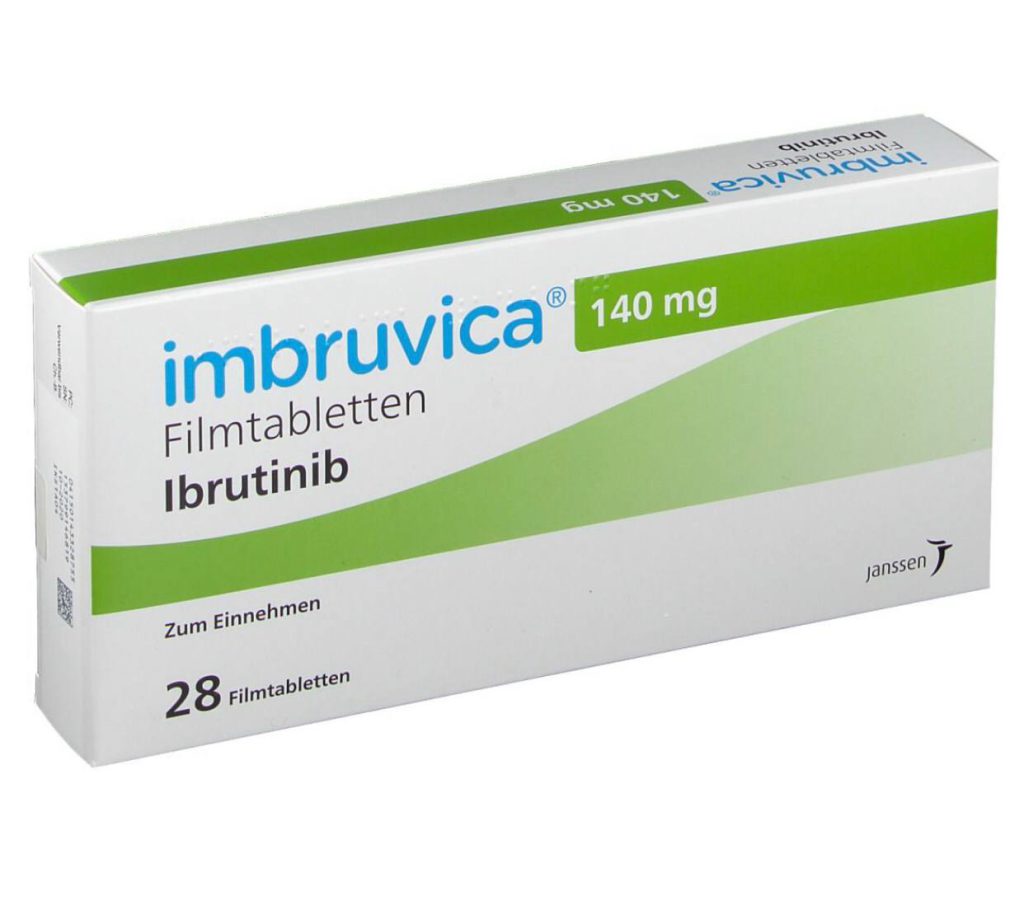
Ibrutinib (Imbruvica) — BTK-targeted treatment for selected B-cell cancers
What ibrutinib is in simple patient language
Imbruvica — brand name. Ibrutinib — the drug name in medical records. A targeted capsule. Not chemo in the usual patient meaning.
It is still a serious cancer medicine. Blood counts, infections, bruising, pressure, rhythm of the heart, other medicines — all of that matters while the patient is on it.
Why it comes up: some B-cell diseases use BTK as one of their survival signals. Ibrutinib works around that signal. The doctor does not choose it from the diagnosis line alone. The whole story decides the plan.
How ibrutinib works
B-cells normally use many internal messages. One of them goes through BTK. In some blood cancers, that message helps abnormal cells stay active, move, and keep getting support.
Ibrutinib blocks BTK. In plain words, it cuts part of the message that helps those cells hold their place.
That can make lymph nodes shrink. It can also make the disease behave more quietly. In CLL, early blood results can look strange because cells may move out of lymph nodes into blood. One number alone is not the story.
The same mechanism that makes the drug useful also creates risks. Bleeding, infection, heart rhythm, pressure, and drug interactions are not side notes here. They are part of the treatment decision.
Which diseases ibrutinib may be used for
Ibrutinib is discussed only in selected settings. Not every lymphoma. Not every raised lymphocyte count. The disease type has to fit.
- CLL or SLL when a BTK approach fits the patient’s treatment stage
- mantle cell lymphoma in selected later-line situations
- Waldenstrom macroglobulinemia when systemic treatment is needed
- some other B-cell lymphoma situations after careful review
- long-term GVHD after a transplant, if this is the real reason for the consultation
- second opinion when Imbruvica was offered and the reason is not clear
Same name on the file, different patient. Atrial fibrillation, blood thinners, platelets, infections, prior therapy, and the speed of the disease can move the decision in another direction.
When ibrutinib can be especially relevant
The drug usually enters the conversation when the doctor wants BTK control and a long-term oral plan is possible.
- the disease is active enough that watchful waiting is no longer enough
- previous treatment stopped working or became too hard to tolerate
- the plan needs a targeted option rather than another classic chemo-based path
- the patient needs comparison with venetoclax, an antibody plan, or another BTK drug
- there are questions about bleeding, rhythm, pressure, infections, or medicines before starting
- the family needs a second review before committing to a long course
The useful question is simple: what job should Imbruvica do now? Shrink nodes. Calm symptoms. Hold the disease. Replace a poorly tolerated plan. Those are different jobs.
What needs to be checked before treatment
One old discharge letter is not enough. The doctor needs a current disease picture and a current safety picture.
- confirmed diagnosis: biopsy, flow cytometry, or immunohistochemistry where relevant
- molecular or cytogenetic results if they were done
- all previous treatments, dates, response, and reason for stopping
- CBC: lymphocytes, neutrophils, platelets, hemoglobin
- liver and kidney values
- blood pressure and heart rhythm history
- atrial fibrillation, palpitations, heart failure, fainting episodes
- bruising, nosebleeds, bleeding history, blood thinners, aspirin-type drugs
- current infection, recent fevers, viral history when relevant
- planned surgery, dental work, biopsy, or invasive procedure
- full medication list, including antifungals, antibiotics, heart drugs, sleep pills, pain tablets, supplements
Sometimes treatment waits. Not because the drug is wrong. Because infection, unstable pressure, bleeding risk, or a drug conflict needs cleaning up first.
How treatment with ibrutinib goes
Capsules are taken on the schedule given by the hematologist. No self-made pauses. No old dose from an old paper. No restart after a break without checking.
Treatment can run for a long time. The doctor follows the disease and the body at the same time. Smaller nodes are good, but unsafe bleeding or rhythm trouble can change the plan.
What usually gets watched:
- CBC and lymphocyte trend
- platelets, neutrophils, hemoglobin
- temperature and infection symptoms
- blood pressure and pulse
- palpitations, skipped beats, chest symptoms
- bruises, nosebleeds, blood in stool or urine
- stool, appetite, weight, stomach discomfort
- liver and kidney values
- new medicines added by any other doctor
A side effect is not an automatic end of treatment. It may mean closer labs, a pause, a medication change, or a switch to another plan. That call belongs to the treating doctor.
Possible side effects
Different patients run into different problems. One person mainly notices bruises. Another gets loose stool. Another has pressure or rhythm trouble.
What can appear:
- bruising, nosebleeds, bleeding gums
- blood pressure going up
- palpitations or irregular heartbeat
- loose stool, nausea, stomach cramps
- tiredness, low energy, muscle or joint aches
- rash, itching, dry skin
- neutrophils, platelets, or hemoglobin dropping
- respiratory infections or other infections
- rarely, heavier bleeding or serious heart and vessel problems
Small symptoms are not always small on this drug. New bleeding, fever, a racing heart, black stool, or sudden breathlessness should not sit in a notes app until the next visit.
When the treating team needs to know fast
Call the doctor the same day if something like this starts:
- fever, chills, sore throat, cough, or another infection sign
- new palpitations, chest pain, fainting, or strong dizziness
- pressure numbers much higher than usual, especially with headache or weakness
- blood in stool, urine, sputum, or vomit
- black stool or bleeding that does not stop quickly
- large new bruises without a clear reason
- heavy diarrhea, dehydration, or trouble drinking
- new shortness of breath or sudden weakness
- speech, vision, or movement change
- a fast drop in general condition
The patient does not need to prove at home that Imbruvica caused it. That is the doctor’s job. The patient’s job is to report the change early.
Why ibrutinib is not right for everyone
Ibrutinib can be very useful in the right patient. It is not a universal answer for every B-cell disease.
- the diagnosis does not fit a BTK-based plan
- the disease needs another drug sequence first
- bleeding risk is too high right now
- platelets are too low or bruising is already a major problem
- atrial fibrillation or another rhythm issue is not controlled
- blood pressure is unstable
- there is an active infection
- surgery or dental work is planned and bleeding risk has not been arranged
- other medicines clash with the safety of the plan
Choosing something else does not mean Imbruvica is a bad drug. It may simply be the wrong tool for this moment.
Can ibrutinib be combined with other treatments
Sometimes ibrutinib stands alone. Sometimes it is part of a wider plan. The reason must be clear.
- an antibody may be used in selected plans
- venetoclax or another targeted drug may be discussed in sequence rather than at the same time
- support may be needed for infections, pressure, stomach symptoms, or skin problems
- procedures may need timing changes because of bleeding risk
- another BTK drug may be considered if tolerability is the main problem
Do not add “harmless” tablets without asking. Antifungal drugs, antibiotics, blood thinners, heart medicine, pain tablets, sleep medicine, herbs, and supplements can all matter here.
What no quick response can mean
With ibrutinib, early changes can confuse patients. Nodes may soften while blood lymphocytes rise for a while. That does not always mean failure.
The doctor compares several things: symptoms, node size, spleen, CBC, infections, side effects, and what the disease was doing before treatment.
Sometimes the good news is not dramatic. Less pressure from nodes. Fewer symptoms. Stable blood. No new growth. In a long disease course, that can matter.
But if the disease keeps moving, side effects become unsafe, or the patient cannot live with the treatment, the plan needs another discussion.
Hematology consultation in Israel about ibrutinib
At Tel Aviv Medical Clinic, the consultation is not about approving a brand name. The goal is to understand whether ibrutinib has a real place in this patient’s story.
The review can help organize the diagnosis, prior treatments, blood values, bleeding risk, heart history, infections, and medication list. It can also help prepare questions for the treating hematologist.
TAMC does not prescribe this treatment remotely and does not replace the treating doctor. The consultation helps the patient and family see the medical logic before the next step.
Frequently asked questions — answered by Dr. Stefanska
- Is ibrutinib chemotherapy?
No. Not in the usual sense. Ibrutinib is a BTK blocker. It works on a signal that some B-cell cancers use to stay active.
Still, I do not call it an easy capsule. Blood, bruises, pressure, rhythm, fever, and new medicines all need watching. Taking it at home does not make it casual treatment.
- Why do you ask so much about the heart before Imbruvica?
Because rhythm trouble can change the whole plan. A patient who already has atrial fibrillation is not the same as a patient with a calm heart history.
I want to know the pressure numbers, old ECG problems, fainting, palpitations, heart drugs, and blood thinners. Then the risk is not guessed. It is named before the first capsule.
- What if bruises or bleeding appear?
Tell the doctor. Especially if bruises appear without a hit, the nose bleeds again and again, gums bleed, urine turns red, or stool turns black.
One small bruise may not change the plan. Repeated bleeding is different. The doctor needs the blood count, platelet level, other medicines, and the story of what happened.
- Why can lymphocytes rise after starting treatment?
In CLL, this can happen. Cells can move out of lymph nodes into the blood. The patient sees the number and panics.
I do not judge by that number alone. I check nodes, spleen, symptoms, hemoglobin, platelets, infections, and the trend over time. One line in a lab report is not the whole answer.
- Can Imbruvica be stopped suddenly?
Not by the patient’s own decision. A pause may be needed before an operation, during bleeding, infection, heavy diarrhea, or heart trouble. But it has to be planned.
Before dental work, biopsy, surgery, or a new blood thinner, the patient should call the treating team. Guessing with this drug is how safety gets lost.
- Which medicines are a problem with ibrutinib?
The full list matters. Not only oncology drugs. Antifungal tablets, some antibiotics, blood thinners, heart medicines, pressure drugs, seizure drugs, sleep medicine, pain pills, herbs — all of them need to be shown.
I prefer to see the boxes or a written list with doses. “Nothing special” is not enough. Many problems start from a tablet the patient did not think was important.
- What should I bring for a second opinion about Imbruvica?
Bring the diagnosis proof, flow cytometry or biopsy report, recent CBC, blood chemistry, prior treatment dates, and the reason each treatment stopped.
Also bring the heart and pressure history, infection history, bleeding history, and full medication list. A short timeline helps: diagnosis, treatments, response, relapse, side effects, and why ibrutinib is being discussed now.
Important information
This page gives general medical information only. It is not a treatment recommendation. Ibrutinib is discussed only after review of the diagnosis, prior treatment, blood tests, bleeding risk, infections, heart rhythm, pressure, medication list, and general condition.
Do not start, stop, or change treatment without speaking with the treating physician.
Contacts
For a consultation about ibrutinib:
📞 +972-73-374-6844
📧 [email protected]
💬 WhatsApp: +972-52-337-3108
