



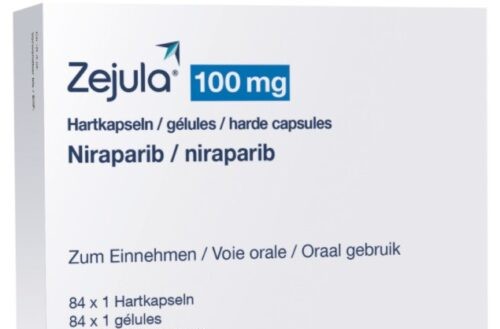
Niraparib (Zejula) — maintenance PARP treatment in ovarian cancer
What niraparib is in simple patient language
Zejula is the brand name. Niraparib is the drug name in the chart. A cancer tablet. A PARP drug. Not classic chemotherapy. Not immunotherapy.
This name usually comes up after platinum treatment has helped. The disease has settled for now. The question is how to keep that calm period from ending too soon.
Most of the time this is an ovarian cancer discussion, or a very similar one. Still, the diagnosis name only opens the file. I need the operation note, platinum treatment dates, scans, CA-125 if it is followed, blood tests, pressure readings, and how the patient came out of chemotherapy.
The first question is simple: are we protecting a response, or are we treating disease that has started moving again? Those are not the same discussion.
How niraparib works
Cancer cells collect DNA damage every day. Some tumors repair that damage badly. PARP is one of the repair helpers.
Niraparib blocks that repair helper. If the tumor already has weak repair, the cell can struggle more. Some cells slow down. Some die. Sometimes the useful result is simply that the disease stays quiet for a longer time.
That idea sounds clean on paper. Real life is messier. Blood cells can drop. Pressure can rise. Tiredness can become real. So the doctor reads the drug together with the patient, not as a name on its own.
Which diseases or situations niraparib may be used for
Niraparib is mainly discussed in ovarian cancer care after the disease has responded to platinum drugs. The same conversation can also include closely related cancers from the tube or the peritoneal lining, when the treatment plan follows the same logic.
- maintenance treatment after platinum drugs have helped
- a first maintenance plan after surgery and chemotherapy, when the case fits
- later maintenance after a return of the disease and another platinum response
- BRCA or HRD results that help the doctor judge the expected gain
- a second opinion when Zejula was offered and the reason is not clear
- a review of observation versus daily tablets after chemotherapy
A PARP tablet is not chosen just because a patient had ovarian cancer. The timing, the response to platinum, the blood count, pressure, weight, recovery, and patient goals all matter.
When niraparib can be especially relevant
It becomes a real discussion when the previous treatment has done its job and the next question is how to protect that result.
- platinum treatment worked and the doctor is planning the next step
- there is a BRCA result, HRD result, or another repair-pathway clue
- the patient wants to avoid stopping all treatment right after chemotherapy
- observation alone feels too weak for the risk level
- the doctor wants a tablet plan but needs to check if the body is ready
- blood counts and pressure have recovered enough to make the start safer
The question is not whether Zejula is strong. The question is what it is being asked to do now: hold the response, delay another relapse, or give more time before a heavier route is needed.
What needs to be checked before treatment
One short discharge note is not enough. The doctor needs the cancer story and the recovery story after chemotherapy.
- pathology report and tumor type
- surgery details, if surgery was done
- which platinum drugs were used and how the cancer responded
- recent scan reports and marker trend, if the marker is followed
- BRCA test and HRD result, if available
- CBC with platelets, hemoglobin, neutrophils, and other counts
- kidney and liver blood tests
- blood pressure readings, not only one number from the clinic
- bruising, bleeding, strong weakness, shortness of breath, or poor recovery
- all regular medicines and supplements
Platelets matter before the first dose. So does pressure. If the body has not recovered from chemotherapy, the start may need to wait.
How treatment with niraparib goes
Niraparib is taken by mouth on the schedule given by the oncologist. No dose changes by guess. No stopping for a few days and restarting alone.
The first months are usually the most watched part. The tablet is taken at home, but the care is still active cancer care.
During treatment, the usual checks are practical:
- blood count, with special attention to platelets and hemoglobin
- blood pressure at home and in the clinic
- tiredness, dizziness, breath, eating, and weight
- nausea, constipation, loose stool, or poor drinking
- kidney and liver values
- new bruises, bleeding gums, dark stool, or blood in urine
- scan timing and marker trend when these are part of the plan
A difficult week does not always close the door on treatment. The answer may be a pause, a lower dose, pressure treatment, nausea support, or extra labs. The doctor makes that call.
Possible side effects
Niraparib can be useful, but the body can pay part of the price. For many patients the main issue is not pain. It is blood counts, pressure, tiredness, or stomach tolerance.
Possible problems include:
- platelets going down
- low hemoglobin, tiredness, breathlessness, or dizziness
- low neutrophils and more infection concern
- nausea, poor appetite, constipation, loose stool, or belly discomfort
- headache, poor sleep, or feeling shaky
- blood pressure rising
- bruises, nosebleeds, gum bleeding, dark stool, or blood in urine
- rare blood problems that need a separate review
The patient does not need to panic over every small symptom. Silence is the risky part. A falling platelet count or rising pressure is easier to handle early.
When the treating team needs to know fast
Call or message the treating team the same day if any of this starts:
- bleeding that is new for this patient
- black stool, red urine, vomiting blood, or many new bruises
- very strong weakness, fainting, or sudden shortness of breath
- a high temperature or a shaking cold feeling
- chest pressure, a racing heartbeat, or severe dizziness
- blood pressure readings much higher than usual
- repeated vomiting, not drinking, or fast decline at home
Do not try to prove at home whether Zejula caused it. The treatment team should decide what is connected and what needs urgent care.
Why niraparib is not right for everyone
Niraparib is not a maintenance tablet for every patient after ovarian cancer treatment. Sometimes the safest plan is observation, another drug, or a delay.
The doctor may choose another route if:
- platelets are still low after chemotherapy
- hemoglobin is low and the patient is already very weak
- blood pressure is not controlled
- there were serious bleeding problems
- kidney or liver values do not look safe enough
- the cancer did not really respond to platinum
- the patient cannot manage regular checks and daily tablets
Choosing not to start Zejula does not mean the drug is bad. It may simply be the wrong tool for this body, this timing, or this goal.
Can niraparib be combined with other treatments
Niraparib is often discussed as a maintenance step after chemotherapy, not as a random extra drug. The order matters.
- after platinum chemotherapy when there was a useful response
- after surgery and chemotherapy, when the plan calls for maintenance
- with medicines for nausea, constipation, pressure, or anemia support
- alongside close lab checks instead of adding more cancer drugs
- in comparison with another maintenance option or observation
More treatment is not always better treatment. Each part of the plan needs a job, and the patient needs to know what will be watched.
What no quick response can mean
With maintenance treatment, the patient may not feel a clear effect. That can be confusing. The goal is often not to feel the drug working. The goal is to keep the disease from waking up too soon.
The doctor does not judge this by one good day. Scans, marker trend, blood counts, symptoms, side effects, and the old pace of the disease are read together.
Stable can be a useful word here. But stable still needs checking. If blood counts fall, pressure rises, or new symptoms appear, the plan may need a pause or a change.
Oncology consultation in Israel about niraparib
At Tel Aviv Medical Clinic, a patient can discuss whether niraparib has a place in the current plan after ovarian cancer treatment. This can help when Zejula was offered, but the reason, timing, or risks are not clear.
A consultation may help to:
- review the response to platinum chemotherapy
- read BRCA and HRD results in the context of the whole case
- understand why maintenance treatment is being discussed now
- look at platelet, hemoglobin, pressure, kidney, and liver risks
- compare Zejula with observation or another maintenance route
- prepare questions for the treating oncologist
- discuss which options may be relevant in Israel
We do not prescribe remotely and do not replace the treating physician. We help the patient and family understand the medical logic and prepare for the next step.
Frequently asked questions — answered by Dr. Stefanska
- Is Zejula chemotherapy?
No. I would not put Zejula in the chemotherapy box. It is a PARP tablet. It works through DNA repair weakness in some tumor cells.
Still, I do not call it a light pill. I want to see the blood count, pressure, nausea, strength, and recovery after chemotherapy. A daily tablet can still be serious treatment.
- Why is it often discussed after platinum treatment?
Because the useful moment often comes after platinum drugs have helped. The disease is quieter, and we ask whether a maintenance tablet can hold that quiet period longer.
I need to know how good the response was. Did the scans improve? Did CA-125 move down if it was followed? Did the patient recover, or is she still weak from chemotherapy? Those details change the answer.
- Does every patient need BRCA or HRD testing?
I want to see those results whenever they are available. They do not replace the whole medical story, but they help explain why a PARP drug may or may not be worth discussing.
I also ask what kind of test was done. Blood test? Tumor test? Old sample? New sample? A single line in a report is not enough if the case is complicated.
- What if platelets drop during treatment?
Do not adjust the tablets alone. Send the blood test and call the treating team. Platelets can fall quietly before the patient feels anything.
Sometimes the answer is a short hold. Sometimes a lower dose. Sometimes repeat labs. If there is bleeding, dark stool, or many new bruises, that is not a routine message for next month.
- What if blood pressure goes up?
Write the numbers down and tell the doctor. One high reading may be stress. Repeated high readings are different.
I want to know the usual pressure before Zejula, the home readings now, and which pressure medicines are already being used. The plan can often be adjusted, but not by guessing at home.
- If I feel nothing, does that mean the drug is doing nothing?
No. In maintenance treatment, feeling no change can happen. The drug is not meant to give a quick sensation after each dose.
We look at time, scans, markers when they help, and whether the body tolerates the tablets. A quiet period can be the result we are trying to protect.
- What should I send before a consultation about Zejula?
Send the surgery report, pathology, platinum treatment dates, scan reports, CA-125 trend if it was used, BRCA or HRD results, and recent blood tests.
Also send one plain timeline. Diagnosis. Operation. Chemotherapy. What improved. What side effects stayed. Current pressure, current medicines, and how the patient feels at home. That is more useful than a folder full of unsorted pages.
Important information
This page gives general medical information only. It is not a treatment recommendation. Niraparib is discussed only after review of the diagnosis, response to prior treatment, molecular tests, blood counts, pressure, kidney and liver values, side effect risks, and general condition.
Do not start, stop, or change treatment without speaking with the treating physician.
Contacts
For a consultation about niraparib:
📞 +972-73-374-6844
💬 WhatsApp: +972-52-337-3108
