



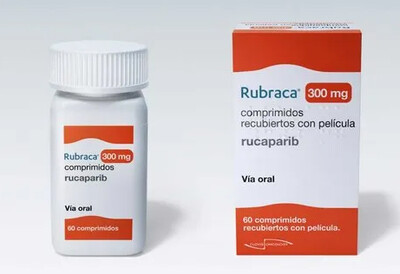
Rucaparib (Rubraca) – PARP inhibitor review for tumors with DNA repair weakness
What rucaparib is in simple patient language
Rubraca is the brand name. Rucaparib is the drug name in the file. A cancer capsule. A PARP blocker. Not classic chemotherapy by drip. Not immunotherapy. Not a capsule to start just because one test says “BRCA.”
The drug is discussed when the tumor has a repair weakness. The file may show BRCA1, BRCA2, or another clue that the DNA repair route is not working well. That clue matters. It still does not choose the plan by itself.
The first talk should be practical. What cancer is this? Did platinum treatment help before? Are blood counts already weak? What do the latest scans show? How are the liver and kidneys working? Can the patient manage daily treatment without being pushed too hard?
So this is not a general “strong tablet.” It is a possible step in a very specific story. The oncologist has to match the test result with the real patient in front of them.
How rucaparib works
Cells repair small DNA breaks all the time. PARP is one repair helper. Rucaparib blocks that helper.
If a tumor already has a weak repair system, the extra block can make life harder for that tumor cell. Some cells stop dividing well. Some die. In other patients the result is quieter disease for a while, not a dramatic change overnight.
That is why the doctor does not judge the drug by one capsule or one week. Blood counts, symptoms, scans, nausea, tiredness, liver values, kidney values, and the old response to platinum all belong in the same review.
Which diseases or situations rucaparib may be used for
Rucaparib is not a drug for every cancer diagnosis. It belongs only in selected plans where a PARP inhibitor makes sense.
- some gynecologic cancers, especially disease starting in the ovary, the tube, or the peritoneum, when the record gives a real reason to discuss PARP treatment
- a maintenance plan after platinum treatment helped and the doctor wants to hold the result
- a BRCA1 or BRCA2 finding, or another repair-pathway result that changes the discussion
- some prostate cancer situations where the chart shows a clear BRCA-related reason and the treatment sequence fits
- a second opinion when Rubraca was offered and the family wants to understand why
The same result can mean different things in different cancers. It also matters what came before: surgery, platinum drugs, hormone treatment, older tablets, side effects, and how quickly the disease is moving now.
When rucaparib can be especially relevant
Rucaparib usually comes up when the doctor is not simply looking for another line. There has to be a reason in the tumor biology and a reason in the treatment history.
- BRCA1 or BRCA2 is written clearly in the molecular report
- platinum treatment helped and a holding plan is being discussed
- the patient needs a tablet option, but still with blood tests and close follow-up
- older treatment has already been used, and the next step needs a careful comparison
- anemia, weak blood counts, nausea, or tiredness could make the plan harder
The question is not only whether the drug exists. The useful question is what job it has now: keep a response steady, slow new activity, or offer another route when the repair marker is real.
What needs to be checked before treatment
Before Rubraca starts, the doctor needs the whole file, not only the drug name.
- the exact tumor type and pathology report
- BRCA1, BRCA2, or other molecular results, with the date and testing method
- what treatment was already used, and what helped or failed
- whether platinum treatment worked and how long the control lasted
- recent blood count, especially hemoglobin, neutrophils, and platelets
- liver and kidney blood tests
- recent scans and the pace of the disease
- tiredness, breathlessness, dizziness, nausea, weight loss, bleeding, or infections
- the full medicine list and other health problems
A low hemoglobin or low platelets can change the plan. So can poor kidney function, a hard recovery after chemotherapy, or a molecular result that is not clear enough. Sometimes the next step is more checking before any new capsule starts.
How treatment with rucaparib goes
Rucaparib is taken by mouth on the schedule set by the oncologist. No skipped-dose guessing. No dose change at home. No restart from an old box after a long pause without the treating team.
The first weeks are about two things at once: is the disease staying under control, and is the body tolerating the drug? The answer often comes from blood tests before it comes from how the patient feels.
During treatment, the team usually follows:
- blood count changes
- hemoglobin, neutrophils, and platelets
- tiredness, shortness of breath, dizziness, or signs of anemia
- nausea, appetite, bowel changes, and weight
- liver and kidney values
- unusual bruising, bleeding, fever, or infection signs
- scan timing and the cancer response
A difficult week does not always close the door on the drug. Sometimes the answer is a short hold, a lower dose, nausea support, anemia treatment, or closer testing. The decision has to come from the team, not from home guessing.
Possible side effects
Rucaparib can be useful, but the blood count can pay part of the price. Some people feel mostly tired. Others first notice nausea, dizziness, bruising, or a blood test that has slipped.
- tiredness, sleepiness, or low stamina
- hemoglobin going down, with weakness or breathlessness
- lower neutrophils and more infection risk
- lower platelets, bruising, nosebleeds, or heavier bleeding
- nausea, vomiting, lower appetite, constipation, loose stool, or belly pain
- dizziness, headache, or feeling unsteady
- changes in liver or kidney blood tests
- rare long-lasting blood problems that need a separate check
The patient does not need to panic over every symptom. The danger is silence. A small blood count problem is easier to handle before it becomes a hospital problem.
When the treating team needs to know fast
Call or message the treating team the same day if any of this starts:
- fever, chills, sore throat, cough, or another infection sign
- shortness of breath, fainting, chest discomfort, or a very fast heartbeat
- black stool, blood in urine, blood in stool, nosebleeds that do not stop, or new heavy bruising
- strong weakness, dizziness, or looking unusually pale
- repeated vomiting, not being able to drink, or severe belly pain
- a fast drop in strength or any symptom that feels very different from usual
The cause may be the drug, the cancer, an infection, or something else. The patient does not have to solve that at home. The team needs the facts early.
Why rucaparib is not right for everyone
Rubraca can be a good option in the right file. It is not a universal tablet for ovarian cancer, prostate cancer, or any tumor with a repair word written somewhere in the report.
- there is no clear molecular reason for a PARP inhibitor
- blood counts are already too low
- anemia, low platelets, or infections are the main problem now
- kidney or liver results make the plan less safe
- the disease needs a faster or different approach
- older treatment left the bone marrow too fragile
- the patient is too weak for daily treatment and frequent testing
Choosing another route does not mean Rubraca is a bad drug. It can simply mean that the timing, the blood count, or the goal of treatment points elsewhere.
Can rucaparib be combined with other treatments
Sometimes rucaparib is a single drug in the plan. Sometimes it comes after chemotherapy, surgery, radiation, or other systemic treatment. The order matters.
- after platinum treatment, when a maintenance step is being discussed
- after earlier systemic lines, if the molecular reason is still useful
- with medicines for nausea, anemia, or weakness when the team approves them
- after local treatment to selected spots, if that fits the wider plan
- as one option to compare with another systemic drug or a clinical trial
It should not be added “just to make treatment stronger.” More drugs can also mean more tiredness, lower blood counts, and more confusion about what is causing a side effect.
What no quick response can mean
A quick visible response is not always the point of rucaparib. In a maintenance setting, the job may be to keep a previous response steady for longer. The patient may feel that nothing is happening. Sometimes that is exactly the aim.
In another situation, the doctor is looking for slower disease activity, better symptoms, or scans that do not show a fast change. The blood count can also shape the answer. A scan may look acceptable, but anemia or low platelets may force a pause.
No quick response is not automatically failure. It is a reason to check the whole picture: time on treatment, scans, symptoms, blood counts, side effects, and the goal set before the first capsule.
Oncology consultation in Israel about rucaparib
At Tel Aviv Medical Clinic, a consultation can help review whether rucaparib has a real place in the patient’s current plan. This can be useful when Rubraca was offered, when BRCA results are unclear, or when the family is not sure why a PARP inhibitor is being discussed now.
The consultation focuses on the file: the tumor type, molecular report, platinum history, older treatments, blood counts, scans, side effects, and the next realistic step.
Tel Aviv Medical Clinic helps prepare the documents and the questions for the treating doctor. We do not prescribe treatment remotely and do not replace the treating oncologist.
A consultation can help with:
- checking whether the BRCA or repair result really supports the plan
- understanding the role of Rubraca after platinum treatment
- reviewing anemia, platelets, infections, nausea, and tiredness risks
- comparing rucaparib with another systemic option or a trial
- preparing clear questions before the next oncology visit
Frequently asked questions – answered by Dr. Stefanska
- Is Rubraca chemotherapy?
No. It is not classic chemotherapy. It is a PARP inhibitor. That means the discussion starts with DNA repair weakness, not only with the cancer name.
Still, I would not call it an easy capsule. Blood counts can drop. The patient can feel weak, dizzy, nauseated, or more open to infection. I want the blood test plan clear before treatment starts.
- Why does the BRCA test matter so much?
Because the drug needs a real reason in the tumor file. The word “BRCA” is not enough by itself. I want to see which gene, what change, when it was tested, and from what material.
Sometimes an old result is still useful. Sometimes the file needs a fresh look, especially if the cancer has already been through several treatments.
- Can Rubraca be used after platinum chemotherapy?
Sometimes yes. The key point is how the disease behaved on platinum. Did the tumors shrink? Did the control last? Did the patient recover enough afterward?
If platinum helped, a holding plan may make sense. If the disease came back fast or the patient stayed very weak, the discussion changes.
- Why is blood checked so often?
Because the blood can change before the patient feels very sick. Hemoglobin, neutrophils, and platelets can all fall on this kind of treatment.
If we see it early, we still have room to act: a short break, a lower dose, anemia support, or closer testing. Waiting until the patient is breathless, bleeding, or febrile is the unsafe part.
- What should I do with nausea or strong tiredness?
Do not just push through it for days. Call the team, especially if eating or drinking becomes hard, or the weakness is new and heavy.
Sometimes the answer is simple support. Sometimes the doctor needs blood work first. The point is to catch the problem while it is still manageable.
- Could Rubraca be relevant in prostate cancer?
Sometimes. But not for every prostate cancer. The doctor needs the genetic report, the stage of the disease, the older hormone treatments, scans, PSA story, and the current blood count.
A tablet can look easier than another treatment. It is still the wrong shortcut if the reason in the file is not solid.
- What should be sent for a second opinion about Rubraca?
Send the biopsy report, molecular test, scan reports, blood work, treatment timeline, and the list of current medicines.
Add a short story in order: when the cancer was found, what was given, what helped, what stopped helping, and which side effects were hardest. That helps more than a pile of scattered pages.
Important information
This page gives general medical information. It is not a prescription and not a personal treatment plan. Rucaparib can be discussed only after review of the diagnosis, molecular results, scans, blood counts, earlier treatment, other diseases, and the patient’s condition now.
Do not start, stop, restart, or change treatment without the treating doctor.
Contacts
For a consultation about rucaparib:
📞 +972-73-374-6844
💬 WhatsApp: +972-52-337-3108
