



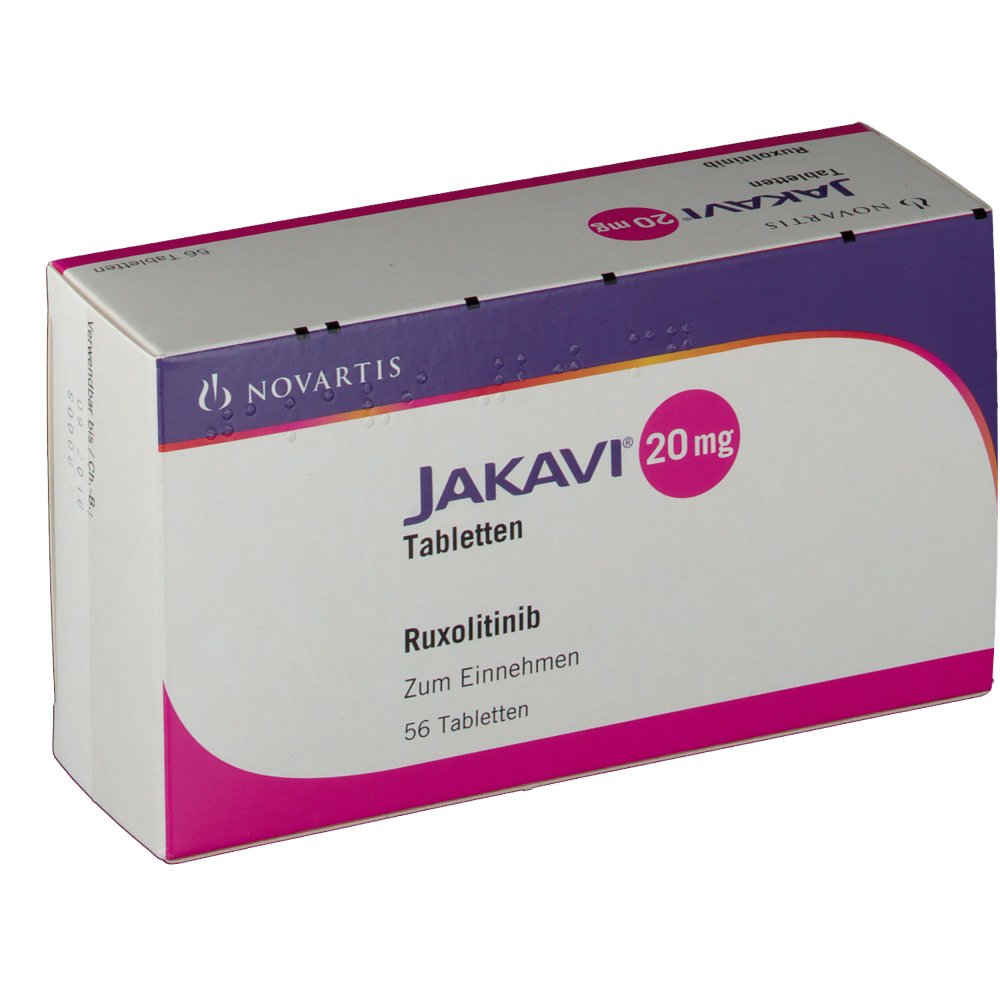
Ruxolitinib (Jakafi / Jakavi) – JAK treatment review in myelofibrosis and selected blood disorders
What ruxolitinib is in simple patient language
Jakafi and Jakavi are brand names. Ruxolitinib is the drug name in medical records. A JAK inhibitor. A blood-disease tablet. Not classic chemotherapy. Not a pill to start from one old line in a discharge note.
This treatment is usually discussed in hematology. Myelofibrosis. Polycythemia vera. Some difficult immune reactions after stem cell transplant. Same tablet. Different story. The reason for using it has to be clear before the first dose.
The tablet can make the plan look simple from the outside. In real life the file needs more: blood counts, spleen size, symptoms, infections, bruising, liver values, older treatment, and the patient’s strength at home.
For many people, the hope is not a fast “clean blood” result. Often the patient is looking for something very plain: less pressure after meals, fewer wet nights, less itching, a little more food, a steadier week. The label on the file is not enough; the plan has to fit this person’s blood and day-to-day state.
How ruxolitinib works
Blood cells use small internal messages to grow, calm down, react to infection, and respond to inflammation. One of these message routes is linked to JAK proteins.
In some blood diseases, that route stays too active. The body may keep producing the wrong signals. The spleen may become large. Symptoms may drain the patient. Blood counts may move in a difficult direction.
Ruxolitinib turns down part of that JAK message. It does not remove the whole disease in one move. It can, in the right patient, lower the noise around the disease. Less spleen pressure. Less feverish inflammation. Less night sweat. Sometimes better daily strength.
The same action also explains the risk. If the drug affects blood and immune signaling, the doctor has to watch anemia, platelets, infections, bruising, and sudden changes in strength.
Which diseases or situations ruxolitinib may be used for
Ruxolitinib belongs in a hematology discussion, not in every case of “bad blood.” The exact diagnosis and the reason for treatment matter.
- myelofibrosis with a large spleen, strong symptoms, or active disease signs
- polycythemia vera when older control is not enough or is hard to tolerate
- selected cases after stem cell transplant when an immune reaction needs systemic control
- a second opinion when Jakafi or Jakavi was offered and the reason is not clear
- a situation where the doctor is comparing a JAK inhibitor with another route
Two patients can carry the same diagnosis and still need different plans. One may have heavy spleen symptoms. Another may have low platelets. A third may be dealing with infection or bleeding risk. The drug name alone does not settle the plan.
When ruxolitinib can be especially relevant
This treatment often comes up when the disease is felt in daily life, not only seen in a lab number. The patient may be eating less because of spleen pressure. Sweating at night. Losing weight. Itching. Feeling drained even after rest.
- the spleen is large and causes pressure, early fullness, or pain
- night sweats, itching, feverish feelings, bone pain, or weight loss are part of the story
- blood counts are hard to keep in a safer range
- older treatment stopped helping or caused trouble
- the file includes post-transplant immune problems and the doctor is considering a JAK route
- the main worry is how to balance benefit with anemia, platelets, and infection risk
The practical question is not whether the drug sounds strong. It is what needs help now: spleen burden, symptoms, blood control, or a difficult immune reaction after transplant.
What needs to be checked before treatment
A short note with the diagnosis is not enough for a ruxolitinib decision. The doctor needs to see the real blood story, not only the label.
- the exact diagnosis and bone marrow report, if it was done
- recent blood counts: hemoglobin, white cells, neutrophils, and platelets
- liver and kidney blood tests
- spleen size by exam, ultrasound, CT, or another recent record
- mutation results, if they are already in the file
- fever, infections, herpes outbreaks, cough, wounds, or recent hospital stays
- bruising, bleeding, black stool, nosebleeds, or very heavy weakness
- past treatment, why it stopped, and what side effects stayed
- the full medicine list, including infection drugs, heart pills, pain pills, sleep pills, and supplements
Sometimes the safer move is to pause the drug question for a short time. Treat an infection. Repeat the blood count. Check the spleen. Sort out another medicine. Then the discussion becomes cleaner.
How treatment with ruxolitinib goes
Ruxolitinib is taken by mouth. The dose and timing come from the hematologist. No home guessing. No sudden restart from an old box. No stopping for a few days without telling the doctor.
The first weeks are often about blood counts and symptoms. Is the patient weaker? Are platelets falling? Any fever? More bruising? Less spleen pressure? Better appetite? Worse cough? These small details can change the plan.
During treatment, the doctor usually follows:
- blood count changes, especially hemoglobin and platelets
- weakness, dizziness, shortness of breath, or signs of anemia
- fever, cough, herpes rash, wounds, or other infection signs
- bruises, nosebleeds, gum bleeding, black stool, or blood in urine
- spleen pressure, belly fullness, appetite, and weight
- sweating at night, itchy skin, bone aches, and daily energy
- liver tests and other medicines added during the course
A difficult week does not always close the door on treatment. The answer may be a dose change, a short hold, infection treatment, anemia support, or a different plan.
Possible side effects
Ruxolitinib can be helpful, but the blood count can pay part of the price. Some patients mainly feel tired. For others, the first clue is a bruise, a mouth bleed, a fever, or a blood test that has slipped.
- hemoglobin going down, platelets dropping, or neutrophils falling
- more fatigue, lightheadedness, breathlessness on small effort, or less stamina
- easy bruises, gum bleeding, nosebleeds, or bleeding that is heavier than usual
- fever, new cough, wounds, burning urine, or herpes-type skin blisters
- head pain, sore muscles, joint pain, or stomach discomfort
- changes in liver blood tests
- upset stomach, poor appetite, swelling, or change in weight
Not every new feeling is an emergency. The danger is silence. A small infection or a falling blood count is much easier to handle early.
When the treating team needs to know fast
Contact the team that day if any of these things appear:
- high temperature, shaking chills, new cough, throat pain, burning urine, or a red or wet wound
- sudden strong weakness, fainting, or new shortness of breath
- new bruises that spread fast or appear without a clear reason
- bleeding, black stool, blood in urine, or long nosebleeds
- painful blisters on the skin, especially a herpes-like rash
- strong belly pain, fast swelling of the belly, or heavy pressure under the ribs
- any sharp drop in condition that feels different from the usual disease symptoms
Do not try to prove at home whether Jakafi caused it. The team needs to see the blood count, infection risk, and the whole picture.
Why ruxolitinib is not right for everyone
Ruxolitinib is not a universal tablet for every blood disorder. In the wrong setting, it can add risk without solving the real problem.
- platelets or hemoglobin are already too low for a safe start
- there is an active infection that needs treatment first
- bleeding risk is too high
- another urgent step is needed before symptom control
- liver problems or other illnesses make the plan unsafe
- the current goal does not match what this drug can realistically do
- daily medicines create a safety problem unless they are adjusted
Not choosing Jakafi or Jakavi does not mean there is no plan. It may mean the doctor is choosing the safer order of steps.
Can ruxolitinib be combined with other treatments
Sometimes ruxolitinib sits inside a larger hematology plan. It is not added just to make the list longer. The role has to be clear.
- with support for anemia, symptoms, or infections
- after other treatments when symptom control becomes the main problem
- after stem cell transplant in selected immune-reaction situations
- with changes to other medicines if there are interaction concerns
- while comparing other systemic options or a clinical trial, when that is relevant
The medicine list matters. Infection drugs, antifungals, heart tablets, seizure drugs, pain medicines, and sleep pills can all change how safely the plan works.
What no quick response can mean
With ruxolitinib, the first sign of help may be ordinary. Less sweat at night. Less itching. A little more appetite. Less pressure on the left side of the belly. More room to breathe after eating.
The blood count may not move in a straight line. The spleen may take time. Symptoms may improve before the scan or exam looks very different. Or the opposite can happen: symptoms feel better, but the blood count becomes harder.
No quick change does not always mean failure. But new infections, worse anemia, falling platelets, or clear disease growth cannot be ignored. The doctor has to decide by the full pattern, not by one good or bad day.
Oncology / hematology consultation in Israel about ruxolitinib
At Tel Aviv Medical Clinic, ruxolitinib can be discussed as part of a hematology second opinion. This is often useful when Jakafi or Jakavi has been offered, but the patient does not understand the goal: spleen symptoms, blood control, polycythemia vera, or a post-transplant immune problem.
The consultation can help sort the file before the next medical decision:
- whether the diagnosis and blood history support a JAK-inhibitor discussion
- what the spleen size and symptoms add to the decision
- whether anemia, platelets, infections, or bleeding risk make the plan harder
- what documents are missing before a clear answer
- which questions should be taken back to the treating hematologist
We do not prescribe treatment remotely and we do not replace the treating doctor. The aim is to make the medical logic clearer and help the patient prepare for the next visit.
Frequently asked questions – answered by Dr. Stefanska
- Is Jakafi chemotherapy?
No. It is not classic chemotherapy. Ruxolitinib is a JAK inhibitor. It works through signals that can feed inflammation, symptoms, and abnormal blood activity.
But I would not call it a light tablet. Blood counts can drop. Infections can appear. The patient needs a clear plan for labs and for symptoms that cannot wait.
- Why are blood counts checked so often?
Because the blood count tells us early if the body is paying too much for the treatment. Hemoglobin, platelets, and neutrophils matter here.
A patient may feel only a little more tired, while the numbers already show trouble. I want to see that before there is bleeding, infection, or severe weakness.
- Can ruxolitinib help only because the spleen is large?
Yes. A big spleen can be a serious reason, especially when meals become small, the left side feels tight, or weight is slipping.
Still, I do not decide by spleen size alone. I need the blood count, symptoms, infections, old treatment, and the patient’s strength. A big spleen is one part of the story.
- What if fever appears during treatment?
Call the treating team. Do not just take cold medicine and wait at home.
On this drug, even a small infection deserves respect. Call sooner for fever, shaking chills, a new cough, painful skin blisters, or sudden heavy weakness.
- Can I pause the tablets if I suddenly feel worse?
No home decisions here. A stop and restart needs to be written down and agreed with the doctor.
Tell the team exactly what changed: weakness, bruises, fever, breathing trouble, new pills, or a bad blood test. The next step might be a brief hold, a dose change, extra checks, or a different way forward.
- Does the disease have to disappear for the treatment to be useful?
Not always. In myelofibrosis, a useful result can be less spleen pressure, fewer night sweats, better appetite, less itching, or a steadier daily life.
I look at several things together. Symptoms. Blood count. Spleen. Infections. Strength. If those move in a safer direction, that can matter a lot.
- What should be sent for a second opinion about Jakafi?
Send the hematology reports, bone marrow results if available, recent blood counts, chemistry tests, spleen measurements, mutation reports, and the list of all treatments already used.
Add a short timeline. When the diagnosis was made. How the blood counts changed. What symptoms are worst now. Why Jakafi or Jakavi is being discussed. That helps more than a pile of papers with no order.
Important information
This page gives general medical information. It is not a treatment prescription. Ruxolitinib can be discussed only after the doctor reviews the diagnosis, blood counts, spleen data, infection risk, previous treatment, other diseases, medicines, and the patient’s general condition.
Do not start, stop, or change treatment without the treating doctor.
Contacts
For a consultation about Ruxolitinib:
📞 +972-73-374-6844
💬 WhatsApp: +972-52-337-3108
