



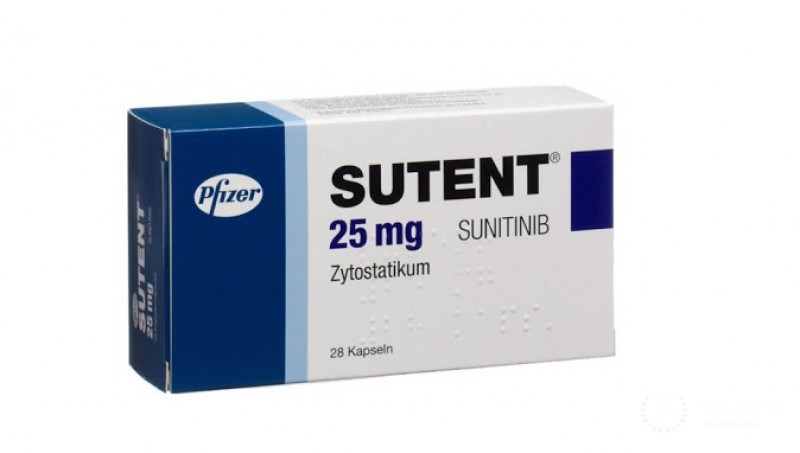
Sunitinib (Sutent) – targeted treatment review for selected tumors
What sunitinib is in simple patient language
Sutent is the brand name. Sunitinib is the drug name in medical papers. A cancer tablet. A targeted drug. Not an infusion. Not a soft vitamin-like pill. It still needs an oncology plan.
The drug can enter the discussion in several cancer stories. Kidney cancer. GIST. Sometimes the file is about a pancreatic neuroendocrine tumor. Same Sutent box. A different reason to use it.
Before Sutent starts, I would want the folder open: tumor type, old drugs, latest scans, pressure numbers, heart notes, thyroid results, liver and kidney labs, wounds, bleeding history, and the patient’s day-to-day strength.
So I would slow the talk down to one point. Is this drug meant to slow the disease, replace a treatment that stopped helping, or give control after surgery in a high-risk case? That answer shapes the whole plan.
How sunitinib works
Tumors use signals to grow and to bring blood supply toward them. Sunitinib blocks several of those signals. It does not work on only one tiny switch.
In kidney cancer, this vessel side of the story can matter a lot. In GIST, the past response to imatinib and the tumor behavior also matter. In pancreatic neuroendocrine tumors, the doctor looks at growth pace and whether a long oral course makes sense.
This kind of drug can slow a tumor in some people. It can also bring pressure trouble, skin pain, mouth soreness, thyroid changes, weak blood counts, and heart strain. So the benefit question and the safety question have to be looked at together.
Which diseases or situations sunitinib may be used for
Sunitinib is not a drug for every cancer diagnosis. It belongs only in certain treatment stories.
- kidney cancer when an oral targeted drug is being discussed for body-wide treatment
- a higher-risk kidney cancer setting after surgery, when the treating team is considering extra treatment
- GIST when imatinib no longer controls the disease or cannot be continued
- pancreatic neuroendocrine tumor when the disease has spread or cannot be removed safely
- a second opinion when Sutent was offered and the patient needs to understand why
Two people may have the same diagnosis and still need different plans. One may have fast disease. Another may have weak blood counts, heart trouble, high pressure, or a wound that is not healing. Those details change the answer.
When sunitinib can be especially relevant
Sunitinib is usually discussed when the doctor wants a targeted step, not just another general cancer plan.
- kidney cancer is active and systemic treatment is needed
- GIST has stopped responding well to the older targeted drug
- a pancreatic neuroendocrine tumor needs drug control over time
- the family needs to compare Sutent with immunotherapy, another targeted drug, or a trial
- old side effects make the next choice more delicate
The decision is not about whether the drug sounds strong. It is about fit. What is the tumor doing now? What has already failed or helped? What risk can this patient carry?
What needs to be checked before treatment
A short note with the cancer name is not enough for a Sutent review. The file should show the disease and the patient, not only the drug name.
- biopsy report and exact tumor type
- past treatment list, with dates and the reason each treatment stopped
- recent scans and the current disease pace
- blood count, liver tests, kidney values, and urine findings if checked
- blood pressure record and pressure medicines
- heart history, breathing symptoms, swelling, chest pain, or poor stamina
- thyroid tests, if they were done or if symptoms suggest a problem
- mouth sores, hand or foot pain, diarrhea, appetite, weight, and weakness
- recent surgery, dental procedures, wounds, bleeding, or planned procedures
- the full medicine list, including non-prescription pills and supplements
Sometimes the next move is not the tablet yet. It may be pressure control, wound healing, thyroid work-up, or a closer look at the heart before cancer treatment starts.
How treatment with sunitinib goes
Sunitinib is taken by mouth. The schedule can differ by diagnosis and by the patient’s condition. The oncologist sets the dose and timing. No skipped weeks by guess. No restart from an old pack without a fresh plan.
The first weeks are about more than scans. The team watches pressure, skin, mouth, stomach, energy, blood tests, thyroid function, and signs of heart or breathing trouble.
During treatment, the team usually follows:
- blood pressure at home and in clinic
- blood count and chemistry tests
- liver and kidney values
- thyroid function when needed
- hand and foot skin, cracks, redness, or burning pain
- mouth soreness, eating, weight, stool, and nausea
- shortness of breath, swelling, chest discomfort, or heartbeat changes
- planned scans to see what the disease is doing
A hard week does not always mean the drug is over. But it should be reported. The answer may be pressure medicine, skin care, a hold, a lower dose, or another plan.
Possible side effects
Sunitinib has a familiar pattern of problems. Not every patient gets all of them. Still, the patient should know what to report early.
- tiredness, low appetite, weight loss, or feeling worn out
- higher blood pressure
- nausea, loose stool, belly discomfort
- sore mouth, taste changes, trouble eating
- red, painful, cracked skin on hands or feet
- changes in skin or hair color
- low blood counts or more infection risk
- liver, kidney, or thyroid changes in blood tests
- swelling, breathing trouble, chest discomfort, or heartbeat symptoms
- bleeding, bruising, wound-healing problems, or rare vessel events
The safest approach is early contact. A small hand-foot reaction is easier to manage than skin that is already split and painful. The same is true for pressure, diarrhea, and mouth sores.
When the treating team needs to know fast
Call or message the treating team the same day if any of these starts:
- very high blood pressure or a strong new headache
- vision changes, confusion, fainting, or severe dizziness
- fever, chills, or infection signs
- chest pain, new breathing trouble, sudden swelling, or a racing heartbeat
- blood in stool, urine, vomit, or any unusual bleeding
- black stool or strong belly pain
- repeated vomiting, severe loose stool, or not being able to drink
- hand or foot pain that makes walking or holding things hard
- a wound that opens, leaks, hurts more, or does not heal
Do not try to prove at home that Sutent is the cause. The team needs to sort it out before the problem grows.
Why sunitinib is not right for everyone
Sunitinib can be useful in the right setting. It is still not the right tablet for every patient with kidney cancer, GIST, or a neuroendocrine tumor.
- the tumor type or disease stage points to another route
- blood pressure is already hard to control
- heart disease or vessel risk is too high for this moment
- blood counts, liver values, or kidney function are not safe enough
- there is bleeding, a fresh operation, or a wound that has not healed
- old treatment caused toxicity that makes this step unsafe
- the patient is too weak for a long oral course
Not choosing Sutent does not mean nothing is left. It can mean the next step needs to be safer, faster, or better matched to the current problem.
Can sunitinib be combined with other treatments
Sunitinib can sit inside a larger cancer plan. It should not be added just to make the plan look stronger.
- after surgery in selected kidney cancer cases, if the team is discussing extra treatment
- after another targeted drug, when a line change is needed
- in GIST after imatinib no longer works well enough or is not tolerated
- with support for pressure, diarrhea, pain, skin reactions, thyroid changes, or nutrition
- after radiation to a separate spot, if that fits the overall plan
- as one option to compare with immunotherapy, another targeted drug, or a trial
The useful question is not “what else can we add?” It is “what does this step change, and what risk does it add?”
What no quick response can mean
A quick answer is not always visible with sunitinib. The patient may be taking the tablet, while it is still too early for a scan to settle the cancer question.
Sometimes a good result is smaller tumor spots. Sometimes it is slower growth. In some tumors, holding the disease steady for a while is a real treatment goal.
But side effects cannot be ignored while waiting for the scan. If pressure rises, skin breaks down, breathing changes, or blood tests move in the wrong direction, the plan may need attention sooner.
Oncology consultation in Israel about sunitinib
At Tel Aviv Medical Clinic, Sutent can be reviewed as part of a second opinion. This is useful when the patient has been offered sunitinib but does not understand why this drug, why now, and what has to be checked first.
The consultation can help clarify:
- whether the diagnosis fits a Sutent discussion
- what previous treatment means for the next step
- which checks are needed before treatment starts
- which risks matter most for this patient
- how Sutent compares with other systemic options
- which questions should go back to the treating oncologist
We do not prescribe treatment remotely and we do not replace the treating doctor. The purpose is to organize the case and make the next medical conversation clearer.
Frequently asked questions – answered by Dr. Stefanska
- Is Sutent chemotherapy?
No. Sutent is not classic chemotherapy. It is a targeted oral drug. It works through growth and blood-vessel signals that some tumors use.
Still, I do not call it a mild pill. Blood pressure, skin, mouth, thyroid, heart symptoms, and blood tests can all become part of the week. The patient needs a plan before the first dose, not after trouble starts.
- Why can the same drug be used in different tumors?
Because the drug is not chosen by the cancer name alone. In kidney cancer, the vessel-signal part can matter. In GIST, the old response to imatinib matters. In pancreatic neuroendocrine tumors, the pace of disease matters.
So I ask for the story, not just the diagnosis. What was tried? How long did it help? What changed on the newest scan? What can the patient tolerate now?
- What should be sent before a second opinion about sunitinib?
Send the biopsy report, recent scans, the list of all previous treatments with dates, blood tests, chemistry tests, pressure records, thyroid information, and the current medicine list.
Add a short timeline. When the cancer was found. What helped. What stopped helping. Which side effects were worst. That one page often helps more than a pile of papers without order.
- What if blood pressure rises during treatment?
Do not wait for the next visit. Write down the numbers and contact the treating team. Blood pressure can often be managed, but it has to be seen early.
A severe headache, vision change, chest pain, shortness of breath, or sudden weakness is not a routine message. That needs fast medical advice.
- Should Sutent stop if the hands or feet hurt?
Not by guessing at home. Redness, burning, cracks, or pain on the hands and feet can happen with this treatment. The team may suggest skin care, less pressure on the area, a short hold, or a dose change.
Tell the doctor before walking becomes painful or the skin splits. Early care gives us more room to keep treatment going.
- Can sunitinib be used after another targeted drug?
Sometimes yes. But I need to know why the earlier drug stopped. Did the cancer grow? Was there bleeding, pressure trouble, heart strain, or another side effect?
One targeted drug cannot simply be swapped for another like a brand change. The next step has to fit the disease and the patient’s current safety limits.
- Which symptoms should not wait at home?
High fever, bleeding, black stool, chest pain, new breathing trouble, fainting, very high pressure, severe diarrhea, repeated vomiting, or painful skin cracks should be reported fast.
The reason may be the drug, the cancer, an infection, or something else. The patient does not have to solve that at home. The team has to check it.
Important information
This page gives general medical information. It is not a treatment prescription. Sunitinib should be discussed only after the doctor reviews the diagnosis, scans, previous treatment, blood tests, pressure, heart history, thyroid function, wound status, medicines, and the patient’s general condition.
Do not start, stop, or change treatment without the treating doctor.
Contacts
For a consultation about Sunitinib:
📞 +972-73-374-6844
💬 WhatsApp: +972-52-337-3108
