


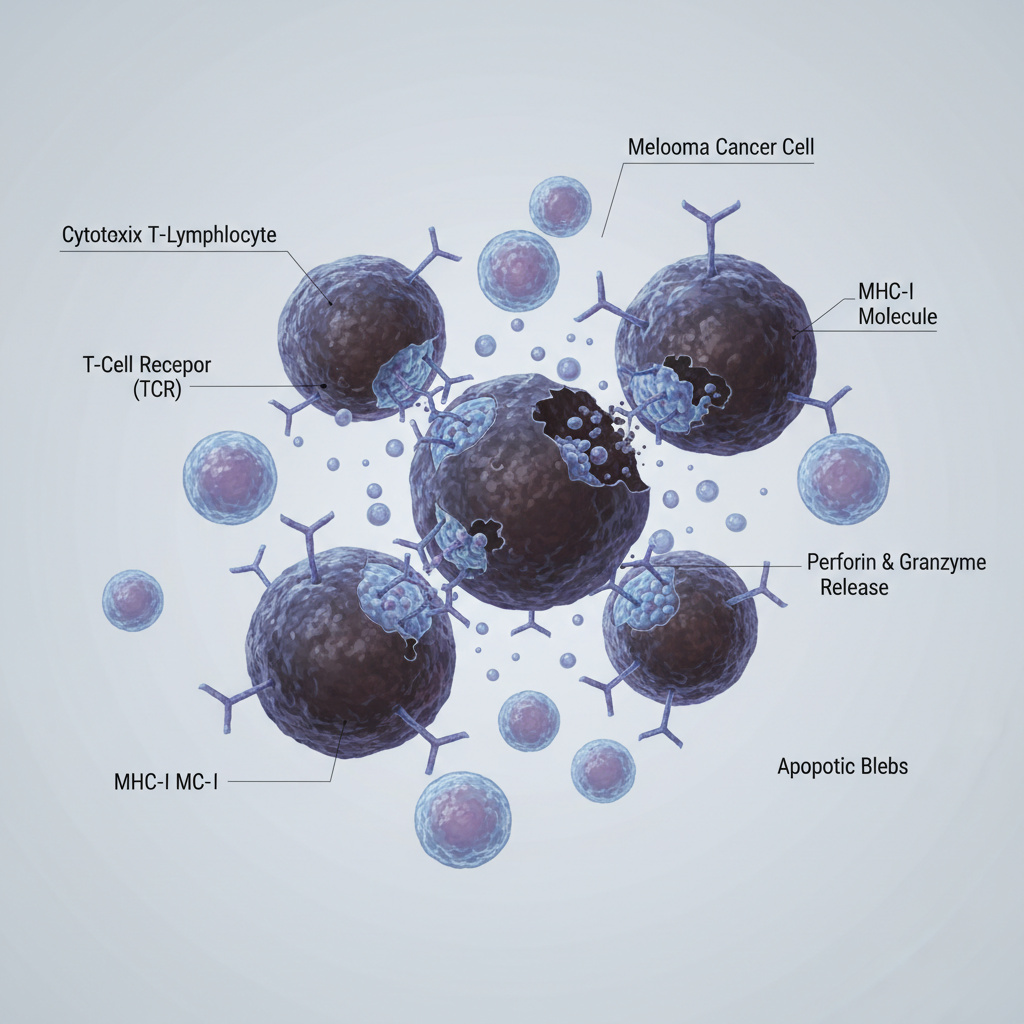
Innovative Therapy for Melanoma
a surgical approach to reducing severe spasticity
What is SDR and why it is considered
Selective dorsal rhizotomy (SDR) is a functional neurosurgical procedure aimed at reducing pathological muscle spasticity.
It is considered in situations where increased muscle tone significantly limits movement, daily care, and quality of life, and where conservative treatments have not provided sufficient benefit.
It is important to state clearly from the outset: SDR does not treat the underlying neurological condition itself. Rather, it addresses one of its key manifestations — spasticity.
Conditions in which SDR may be considered
SDR is primarily discussed in the context of neurological conditions associated with pronounced spasticity, including:
- cerebral palsy (spastic forms, most commonly spastic diplegia)
- severe spasticity due to central nervous system injury, including:
- consequences of hypoxic-ischemic brain injury
- selected congenital and acquired CNS conditions
- post-stroke spasticity in carefully selected patients
The decision to consider SDR is never based on the diagnosis alone, but on a detailed evaluation of the individual child or patient.
Why spasticity requires a dedicated approach
Spasticity is not simply “tight muscles.”
It is a pathological condition caused by impaired control of motor signals from the central nervous system.
In children and adults with significant spasticity, this may lead to:
- limited independent mobility
- chronic discomfort or pain
- development of contractures and deformities
- increased physical and emotional burden on families and caregivers
The goal of intervention is to reduce pathological muscle tone, thereby opening opportunities for movement, learning, and rehabilitation.
How the decision about SDR is made
SDR is not a universal solution and is not suitable for every patient.
Candidate selection is performed through a multidisciplinary evaluation, typically involving:
- a pediatric neurologist
- a neurosurgeon
- an orthopedic specialist
- rehabilitation professionals
- and, when appropriate, a psychologist
Assessment goes beyond medical imaging and includes:
- functional motor abilities
- cognitive status
- capacity for rehabilitation
- realistic goals defined together with the family
Without clear goals and a structured rehabilitation plan, SDR does not achieve its intended value.
The role of functional neurosurgery
SDR belongs to the field of functional neurosurgery — procedures aimed not at removing pathology, but at modifying neural pathways to improve function.
The procedure involves selective intervention on the dorsal (sensory) nerve roots of the spinal cord that contribute to pathological spasticity.
The intervention is carefully titrated and performed with continuous neurophysiological monitoring.
Alternatives to SDR
If SDR is not appropriate for a specific patient, other options may be considered depending on the clinical situation, including:
- intrathecal baclofen pump therapy
- neuromodulation techniques
- individualized rehabilitation programs
Decisions are always made through clinical discussion and consensus — never automatically.
Why experience and specialization matter
SDR is a technically demanding and irreversible procedure.
Its outcome depends directly on:
- accurate patient selection
- precise surgical execution
- the quality and continuity of postoperative rehabilitation
In Israel, SDR is performed in specialized centers of functional and pediatric neurosurgery.
Within TAMC’s clinical framework, evaluation and SDR-related decision-making involve Prof. Ido Strauss, a specialist with extensive experience in pediatric and functional neurosurgery.
Rehabilitation is a central part of the process
SDR does not work without rehabilitation. After the procedure, patients require a long-term, structured rehabilitation program focused on:
- learning new motor patterns
- strengthening muscles
- preventing secondary complications
Rehabilitation largely determines the final functional outcome.
Who may benefit from a consultation
Consultation regarding the potential role of SDR is typically sought by families and patients who:
- are dealing with severe spasticity that significantly limits movement and daily functioning
- seek a second professional opinion regarding diagnosis or a proposed treatment plan
- are considering the Israeli clinical approach to spasticity evaluation, including functional neurosurgery
- want to understand whether SDR is appropriate in a specific case or whether alternative options should be explored
Such consultations help clarify not only the procedure itself, but whether it is relevant and reasonable for the individual patient.
Contact form

Professor Ido Strauss
Neurosurgery
Experienced Neurosurgeon ,Director of Functional Neurosurgery and Stereotactic Radiosurgery

Keinan Ori
Neurosurgery
Head of the service of surgical treatment of diseases and injuries of the spine of the hospital

Prof. Yonatan Roth
Neurosurgery
Head of the Neurosurgery Department at Ichilov Medical Center (Tel Aviv) , Chief of Pediatric Neurosurgery at Dana-Dwek Children’s Hospital

Rachel Grossman
Neurosurgery
Brain Tumor Removal Specialist, Deputy Head of the Department of Neurosurgery

Professor Shlomo Konstantini
Neurosurgery
Head of the Department of Pediatric Neurosurgery at the Pediatric Center

Zvi Ram
Neurosurgery
Neurosurgery
Next step
When spasticity significantly limits movement and development, it may be appropriate to begin with a calm, professional evaluation.
A neurological consultation helps clarify:
- the underlying mechanism of spasticity
- which treatment approaches may be relevant
- and whether discussing SDR or other functional neurosurgical options makes sense
Consultations and contact
📞 Phone: +972-73-374-6844
📧 Email: [email protected]
💬 WhatsApp: +972-52-337-3108


Contact form


