


Innovative Therapy for Melanoma
Astrocytoma – How We Deal With It in Israel
An astrocytoma is a tumor that starts from astrocytes, the tiny star-shaped cells inside the brain and spinal cord. Normally they feed and protect neurons, but when they change, a growth can appear. Some of these tumors grow slowly, barely making themselves known for years. Others move fast, pressing on nearby brain structures and causing symptoms that nobody can ignore. Doctors usually describe them by grade: the lower the grade, the calmer the tumor; the higher, the more aggressive and dangerous.
Types You May Hear About
There isn’t just one astrocytoma. We usually talk about a few main groups:
- Pilocytic — very slow, mostly seen in children, often removed completely with surgery.
- Fibrillary — also slow but can turn nastier with time, so treatment is usually mixed.
- Anaplastic — grows quicker, and here surgery alone isn’t enough. Chemo and radiation are added.
- Glioblastoma — the tough one. It grows fast, comes back often, and needs every option doctors have, from standard protocols to experimental drugs.
In Israel, and especially in Tel Aviv Medical Clinic, doctors see many cases every year. That experience means care is highly personal. Each patient is looked at by a whole team: neuro-oncologists, neurosurgeons, radiologists, psychologists, rehab experts. Modern scans, genetic tests, and clinical trials are all part of the work here.
What Symptoms Can Show Up
The signs depend on where the tumor sits and how quickly it grows. Age also plays a role. Some people first notice morning headaches that don’t go away. Others feel sick to the stomach or unusually tired. Seizures and tremors are common. Numbness in hands or legs, dizziness, speech or hearing problems — all of that can happen. Even vision may blur or jump. And sometimes, bladder or bowel control changes too. Of course, these problems don’t always mean “tumor,” but if they stick around, an MRI is strongly recommended.
How Diagnosis Usually Works Here
In Israel, the process is often divided into stages, so nothing is rushed but nothing is missed.
Day 1 – A neuro-oncologist meets the patient, listens carefully to the history, does a neurological exam (checking reflexes, balance, speech, hearing, sight). Any scans or biopsy slides brought from abroad are reviewed. Blood and urine tests are ordered.
Day 2 – Time for deeper checks: contrast MRI, PET-CT, sometimes spinal tap, sometimes a new biopsy. The tissue is studied not only under the microscope but also with molecular and genetic tools. This step is crucial — it shows mutations like IDH, MGMT or 1p/19q that help doctors pick the right drugs.
Day 3 – Consultation with a neurosurgeon, sometimes also a radiologist. All results are put together, the diagnosis confirmed, and a treatment plan written out. Patients get clear explanations about the next steps.
Treatment Options
Surgery is usually the first step. The goal is to remove as much of the tumor as possible without harming healthy brain tissue. Surgeons here use neuronavigation, real-time MRI, and special dyes that make tumor cells glow under the microscope.
- With low-grade tumors, surgery can be enough. Doctors then just watch carefully.
- If the tumor can’t be removed fully, or it grows back, radiotherapy and chemotherapy are added.
- High-grade astrocytomas almost always need a mix: surgery, radiation, chemo (temozolomide, cisplatin, carboplatin, lomustine), and newer targeted or immune therapies.
Modern and Innovative Methods
Doctors in Israel are not limited to the basics. A few of the options you may hear about:
- Targeted therapy. Drugs like bevacizumab or vemurafenib hit weak points inside tumor cells.
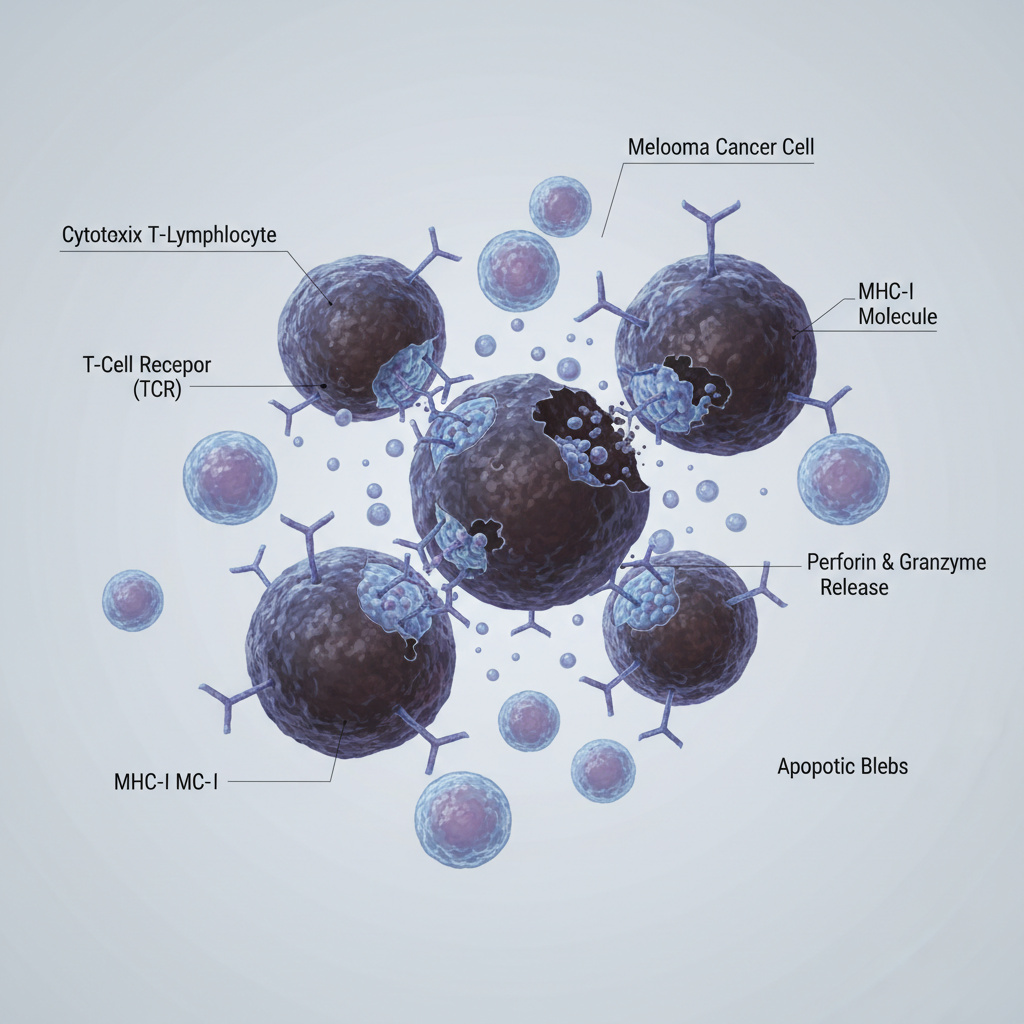
- Immunotherapy. CAR-T and other methods “teach” the immune system to finally recognize and attack the tumor.
- Proton therapy. A form of radiation that spares healthy brain tissue. Especially useful in children.
- Tumor Treating Fields (TTFields). A technology invented in Israel. Patients wear a special device (Optune) that creates electric fields and slows down tumor cell division.
- DaRT therapy. Tiny radioactive seeds are placed inside the tumor, releasing alpha particles that kill malignant cells.
- Stem cell support. After heavy chemo, stem cells can be used to restart blood formation.
- Clinical trials. Patients may join studies testing oncolytic viruses or therapeutic vaccines. These aren’t routine yet, but they give access to the medicine of tomorrow.
Life After Treatment
The job doesn’t finish with surgery or radiation. Recovery matters just as much. Patients in Israel usually have access to physiotherapy, speech therapy, cognitive training, and psychological support. Doctors help plan diet, daily activity, and follow-ups. The aim is clear: not only longer life, but also a life with independence and dignity.
Contact form

Professor Ido Strauss
Neurosurgery
Experienced Neurosurgeon ,Director of Functional Neurosurgery and Stereotactic Radiosurgery

Keinan Ori
Neurosurgery
Head of the service of surgical treatment of diseases and injuries of the spine of the hospital

Prof. Yonatan Roth
Neurosurgery
Head of the Neurosurgery Department at Ichilov Medical Center (Tel Aviv) , Chief of Pediatric Neurosurgery at Dana-Dwek Children’s Hospital

Rachel Grossman
Neurosurgery
Brain Tumor Removal Specialist, Deputy Head of the Department of Neurosurgery

Professor Shlomo Konstantini
Neurosurgery
Head of the Department of Pediatric Neurosurgery at the Pediatric Center

Zvi Ram
Neurosurgery
Neurosurgery
Final Word
Astrocytoma is a heavy diagnosis, no question. Still, many forms respond well when treated early and properly. Even glioblastoma, the most aggressive type, can be managed today with a combination of surgery, radiotherapy, modern drugs, and experimental therapies. Clinical trials of vaccines and immunotherapy are already showing promising outcomes.
If there’s one thing to remember, it’s this: don’t lose time. Early diagnosis and treatment make a difference. In Israel, neuro-oncology teams combine experience with innovation to give patients the best possible chance.
Israel is one of the leaders in neuro-oncology. From proton therapy to clinical trials, our team offers treatments that are not available in many other countries. Send us your documents and get a personal plan within days
📞 +972-73-374-6844
📧 [email protected]
💬 +972-52-337-3108 (WhatsApp)


Contact form


