


 Contact Us
 Innovative Therapy for Melanoma
Glioblastoma Treatment in Israel
Glioblastoma is one of those brain tumors that doctors don’t like to meet, because it grows fast and rarely plays by the rules. It comes from glial cells – those small “helpers” of the brain. They don’t send signals like neurons, but they feed them and keep them safe. And when glial cells turn malignant, the tumor doesn’t stop. It spreads into healthy brain tissue, it can’t be cut out completely, and often it comes back even after good treatment.
Why is it so difficult? Because it often sits in very sensitive areas of the brain – places responsible for movement, speech, memory. Surgeons can’t just remove everything. Tumor cells also “learn” quickly and stop responding to drugs. That is why glioblastoma is considered one of the hardest cancers to control.
In Israel, though, specialists deal with it every day. At Tel Aviv Medical Clinic, patients who travel for medical tourism get access to precise brain surgery, advanced scans, genetic testing, targeted therapies and even modern immunotherapy.
Symptoms
Symptoms that may appear
Glioblastoma doesn’t always show itself right away. At first, symptoms look like stress or fatigue. Many people ignore them. Later, when the tumor grows, the signs are more clear:
- headaches that become constant,
- seizures,
- vomiting, especially in the mornings,
- dizziness,
- weakness or numbness in arms or legs,
- changes in speech or vision,
- sudden mood swings, memory or behavior changes.
If several of these appear together, it’s time to see a doctor without delay.
Diagnostics
Diagnosis in Israel
Doctors here don’t rely on one test. They combine imaging and lab work to understand how aggressive the tumor is and which treatment might work best. Patients usually go through:
- MRI with contrast,
- PET-CT,
- biopsy,
- molecular tests such as IDH, MGMT, EGFR.
These genetic results help decide if targeted medicines may help, or if the patient is a candidate for a clinical trial. For many families, this is exactly why they come for glioblastoma treatment in Israel – to get answers that guide therapy.
Types
Types of glioblastoma
Not all glioblastomas are the same.
- Primary tumors appear suddenly, grow very fast, and usually affect older people.
- Secondary tumors develop from lower-grade brain tumors, progress more slowly, often in younger patients.
By genetics:
- IDH-wildtype – the most common, usually aggressive.
- IDH-mutant – grows slower and responds better to treatment.
Treatment
Standard treatment approach
The first step is usually surgery – craniotomy. The idea is to remove as much of the tumor as possible while protecting brain function.
At TAMC, neurosurgeons often use:
- Awake craniotomy – the patient stays awake so doctors can protect speech and movement centers.
- CyberKnife radiosurgery – focused radiation beams to destroy tumor cells.
- Laser therapy (LITT with Visualase) – real-time MRI guidance to burn tumor tissue.
After surgery, patients usually continue with radiation therapy and chemotherapy (temozolomide is the standard drug).
Innovations
Innovative methods available in Israel
Doctors here don’t stop at the basics. They use new options too:
- Targeted drugs like bevacizumab that cut off blood supply to the tumor.
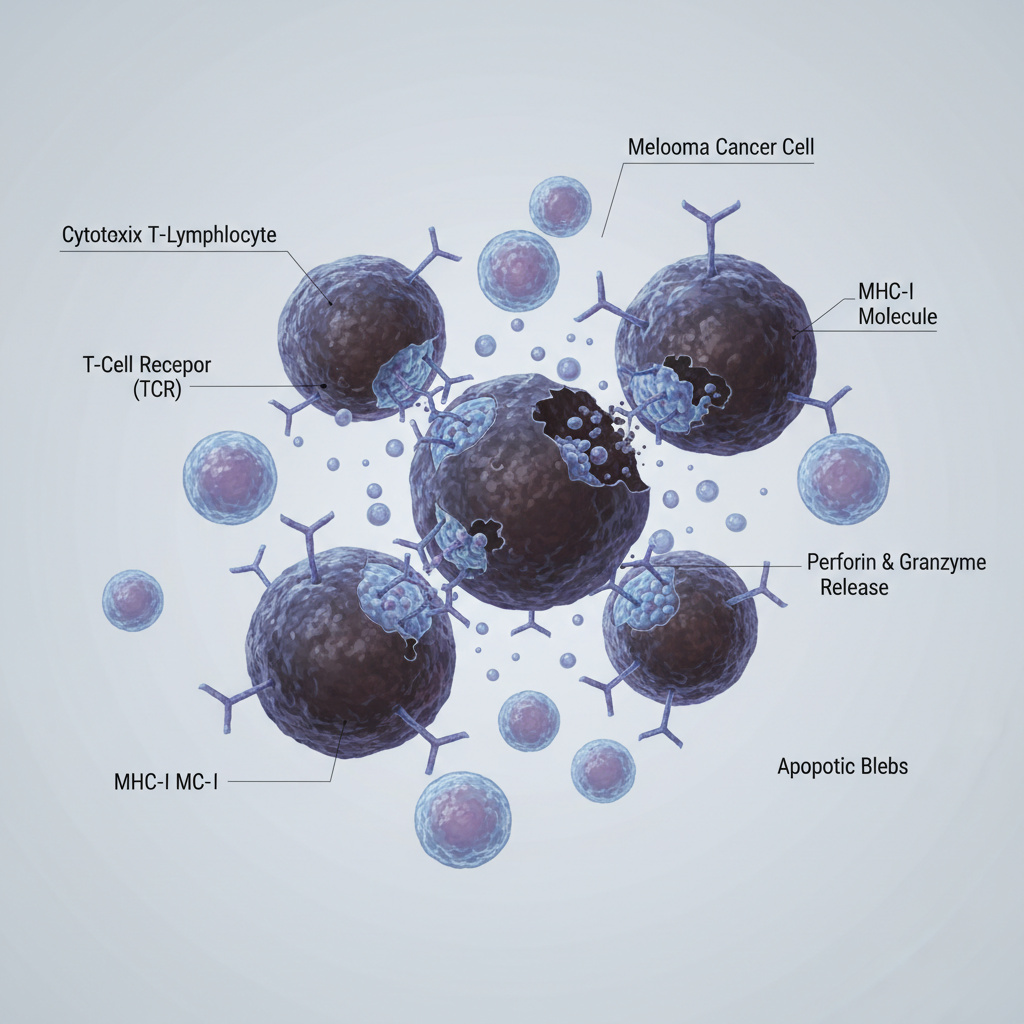
- Immunotherapy – including experimental CAR-T therapy, where patient’s own T-cells are trained to attack tumor cells.
- Oncolytic viruses – engineered to infect and kill cancer cells, while also waking up the immune system.
- Tumor Treating Fields (TTF) – a wearable device with low-frequency electric fields that slow tumor cell division.
- Personalized vaccines – made from the patient’s own tumor tissue after surgery, teaching the immune system to attack malignant cells.
Clinical trials
Clinical trials and international access
Israel is one of the leaders in oncology research. Patients who come for medical tourism can be offered to join clinical trials. That means access to brand-new treatments before they are widely available. TAMC helps families with medical records, translation, and coordination, so the process is easier.
Treatment process
A patient’s journey step by step
Day 1: Meeting with a neuro-oncologist and neurosurgeon, review of scans, neurological exam, first plan.
Days 2–3: Lab work, MRI with contrast, PET-CT, biopsy or surgery, pathology and genetic analysis, final treatment plan.
3–6 weeks after surgery: Radiation therapy and chemotherapy.
Afterwards: Continued chemotherapy, targeted therapy, TTF, sometimes immunotherapy.
Long term: Rehabilitation, nutrition and psychological support, regular follow-up visits.
Of course, no two cases are the same. The plan is always adjusted for each patient.
Recovery
Life after treatment
Beating the tumor is only part of the story. What happens next matters just as much. In Israel, doctors pay close attention to how a person feels once the main treatment is over. Some people need help walking again, so physiotherapy becomes part of daily life. Others struggle with speech, and regular sessions with a therapist slowly bring words back. Many patients and families also need emotional support – anxiety and low mood are common, and nobody is expected to cope with it alone. Even small things like eating well or keeping a routine are discussed, because they make recovery easier. Families often say the biggest relief is knowing they’re not left to figure it out on their own once they leave the hospital – the team keeps following up and guiding them.
Medical team

Prof. Dvora Blumenthal
Neurology
Oncology
Neurologist, neuro-oncologist, head of the neuro-oncology department

Dr. Alexandra Bittan
Oncology
Radiotherapy
Neuro-oncologist and radiosurgery expert

Dr. Amir Sternheim
Onco - Orthopedics
Oncology
Director, Metastatic Bone Disease Unit, Department of Orthopedic Oncology, Tel Aviv Sourasky Medical Center

Dr. Orit Gotfeld
Oncology
Radiotherapy
Radiation Oncologist Specializing in Head & Neck Tumors

Dr. Roman Meirovitz
Oncology
Leading Israeli Oncologist for Lung and Gastrointestinal Cancers

Dr. Stefansky Irena
Oncology
Breast and Gastrointestinal Cancer Specialist

Dr. Yair Gortzak
Onco - Orthopedics
Oncology
Head of the National Orthopedic Oncology Department, Ichilov Medical Center, Tel Aviv
Dr. Daniel Keizman
Oncology
Oncologist and Head of the Urologic Oncology Unit at Ichilov Medical Center

Dr. Inbar Finkel
Oncology
Oncologist, Director of the Head and Neck Tumor Department

Dr. Mor Miodovnik
Dermatology
Oncology
Дерматолог и венеролог, врач-онколог

Dr. Sharon Peles
Oncology

Prof. Ido Didi Fabian
Oncology
Ophthalmology
Ocular Oncology Specialist

Dr. Felix Bukshtein
Neurology
Oncology
Senior Neurologist & Neuro-Oncology Specialist

Dr. Inna Ospovat
Oncology
Radiotherapy
Oncologist, radiologist, head of the pediatric radiology department

Dr. Dror Levin
Hematology
Oncology
Pediatric Hematologist–Oncologist | Blood Disorders and Sarcomas in Children

Prof. Baruch Brenner
Oncology
Gastrointestinal Oncology Specialist

Prof. Ido Wolf
Oncology
Ведущий онколог Израиля, специалист в области опухолей желудочно-кишечного тракта

Prof. Ofer Merimsky
Onco - Orthopedics
Oncology
Oncologist, Deputy Director of the Oncology Center, Head of Bone and Soft Tissue Oncology Unit

Prof. Ravit Geva
Oncology
Medical Oncologist | Gastrointestinal Cancer Specialist

Dr. Tatiana Rabin
Oncology
Radiotherapy
Senior Oncology Specialist, Director of the Gynecological Oncology and Brachytherapy Service of the Oncology Department
Consultation
A few closing words
Glioblastoma is tough, there’s no point in pretending otherwise. But patients who come to Israel discover that they have more choices than they thought: advanced surgery, radiation, chemotherapy, targeted medicines, immunotherapy, even clinical trials that open doors to new treatments.
If you’re considering glioblastoma treatment in Israel, our team at Tel Aviv Medical Clinic can step in early. We review scans before you fly, set up consultations, and build a plan together with top neuro-oncologists so you know what to expect.
Facing a glioblastoma diagnosis is never easy, but you don’t have to go through it alone. In Israel, leading neuro-oncologists combine cutting-edge medicine with personal care. At Tel Aviv Medical Clinic, we review your scans in advance, arrange consultations without delays, and create a treatment plan tailored to you.
📞 +972-73-374-6844
📧 [email protected]
💬 WhatsApp: +972-52-337-3108


Contact form


Oncology


Hematology

Cardiac surgery

Cardiology


Dermatology


Gastroenterology


Female breast surgery

Endocrinology

Head and neck surgery

Gynecology

Neurology

Nephrology and dialysis

Immunology

Ophthalmology
Oncology

Plastic surgery

Orthopedics

Orthopedic-Oncology

Radiation therapy

Pulmonology

Psychiatry

Urology

Rheumatology


Pediatric Department