


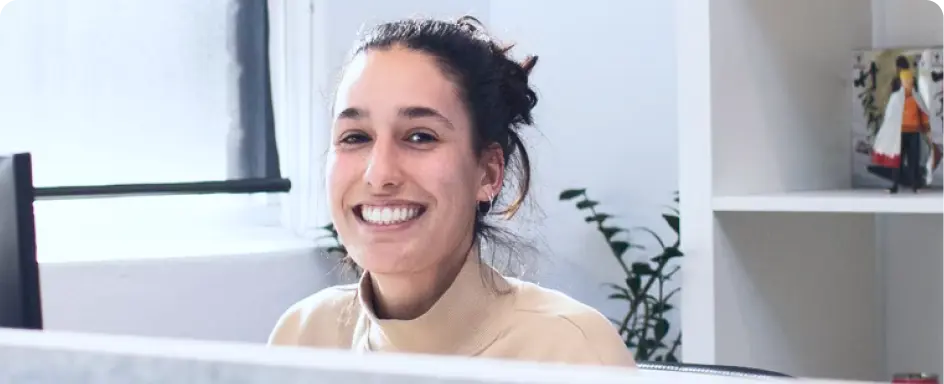
Prof. Ido Didi Fabian
Ocular Oncology Specialist
Languages
- עברית
- Eng
We respond within 30 minutes
About the Doctor
Professor Ido Didi Fabian is a leading specialist in ocular oncology, focusing on the diagnosis and management of intraocular tumors and tumors of the ocular surface. His clinical work includes both rare and complex cases, in adults and children.
Professor Fabian combines clinical practice, research activity, and international collaboration, allowing him to apply advanced and modern approaches to eye tumor management.
Clinical Specialization
Professor Ido Didi Fabian specializes in the diagnosis and management of:
- Uveal Melanoma
- Choroidal Nevus
- Retinoblastoma
- Ocular Lymphoma
- Conjunctival Melanoma
- Conjunctival Carcinoma
International Activity
Professor Fabian is actively involved in international medical initiatives and consults on complex cases worldwide.
He collaborates with medical centers in:
- Africa
- Asia
- Oceania
- Europe
- United States
Within these collaborations, Professor Fabian:
- Consults complex retinoblastoma cases
- Trains physicians
- Participates in surgical programs
- Develops international treatment protocols
Research Activity
Professor Fabian is:
- Faculty member at Tel Aviv University
- Professor at London School of Hygiene & Tropical Medicine
- Head of the international Retinoblastoma Network (Rb-NET)
He has authored over 100 peer-reviewed publications in international medical journals (PubMed).
Areas of expertise
- Uveal Melanoma
- Choroidal Nevus
- Retinoblastoma
- Ocular Lymphoma
- Conjunctival Melanoma
- Conjunctival Carcinoma
- Surgery for eye tumors
- Ocular surface tumor excision
- Plaque brachytherapy
- Enucleation surgery
- Laser treatments
- Cryotherapy
- Intraocular injections
Professional Experience
- Director of the Ophthalmic Oncology Department Sheba Medical Center, Tel Hashomer
- 2023–Present Director, Sheba Global Ophthalmology Sheba Medical Center
- 2020–Present Founder, Ocular Oncology Service Soroka Medical Center
- 2017–Present Senior Ocular Oncology Specialist Sheba Medical Center
- Chair of Ocular Oncology in Israel
- Professor London School of Hygiene & Tropical Medicine
- Faculty Member Tel Aviv University School of Medicine
- Head of the international Retinoblastoma Network (Rb-NET)
- Founder of international retinoblastoma research initiatives
Education
- Technion – Israel Institute of Technology MD (with honors)
Training
- Ophthalmology residency
- Internship
- Subspecialty Training
- Subspecialty Training
Research
-
International retinoblastoma research initiatives Founder of international retinoblastoma research initiatives Head of the international Retinoblastoma Network (Rb-NET)
Publications
Associations
- International Society of Ocular Oncology (ISOO)
- European Ocular Oncology Group
- Israeli Ophthalmology Association
- International Society of Pediatric Oncology
- European Association for Vision Research
Book a Consultation
Clinic services are provided privately and via agreements with HMOs and insurers. The TAMC team is available for any request and committed to top-level care.
Frequently Asked Questions
When should I seek care for ocular melanoma in Israel?
Patients usually reach out at different stages. Some contact me right after diagnosis. Others come when a treatment plan has already been suggested and they want another opinion.
Ocular melanoma is relatively rare, and experience matters. My first step is usually reviewing imaging, biopsy results, and prior evaluations.
Sometimes we confirm the original plan. Other times we discuss alternative approaches. Each case is different.
When should I consult an ocular oncology specialist in Israel?
I usually tell patients — if something was found in the eye and you’re not completely comfortable with the explanation, it’s reasonable to speak with someone who deals with eye tumors regularly.
Quite often people come after hearing different opinions. Sometimes they were told to just watch it. Sometimes they were advised to treat right away. That can be confusing.
In those situations, I try to slow things down a bit. First, I look at the scans myself. Then we talk about what this actually means and whether anything needs to be done now — or whether it’s safe to wait.
In many cases, the conversation itself already helps patients feel more comfortable with the plan.
How does an ocular oncology consultation work?
Most of the time, I start by reviewing the imaging and previous reports. It helps me understand the story before we even talk.
During the consultation, I usually share my screen and go through the images together. I explain what I’m looking at, what seems typical, and what might need closer attention.
Sometimes the next step is straightforward. Other times, I might suggest repeating imaging after a few months or discussing the case with colleagues.
There’s usually no need to rush. My goal is simply to understand the situation clearly and help the patient make a calm, informed decision.
How is treatment chosen for an eye tumor?
There’s no single answer. It depends on tumor type, size, and location.
Sometimes observation is appropriate. Sometimes local treatments like brachytherapy or laser therapy are recommended. In more complex situations, we consider combined approaches.
I usually explain the reasoning behind each option so patients can make decisions comfortably.
Is it possible to preserve the eye?
In many cases — yes. This is often one of our main goals.
Modern treatment options allow us to control tumors while preserving the eye and sometimes vision. The approach depends on the specific situation.
Can I start with an online consultation?
Yes, and actually many patients prefer to start this way — especially if they live far away or just want an initial opinion.
I usually ask patients to send imaging and reports in advance. I go through everything carefully before the meeting. Then during the consultation we talk through the situation and possible next steps.
Sometimes one consultation is enough to clarify things. Sometimes we decide to continue the evaluation. It really depends on the case.
Patient Reviews (0)
No reviews yet
