


 Contact Us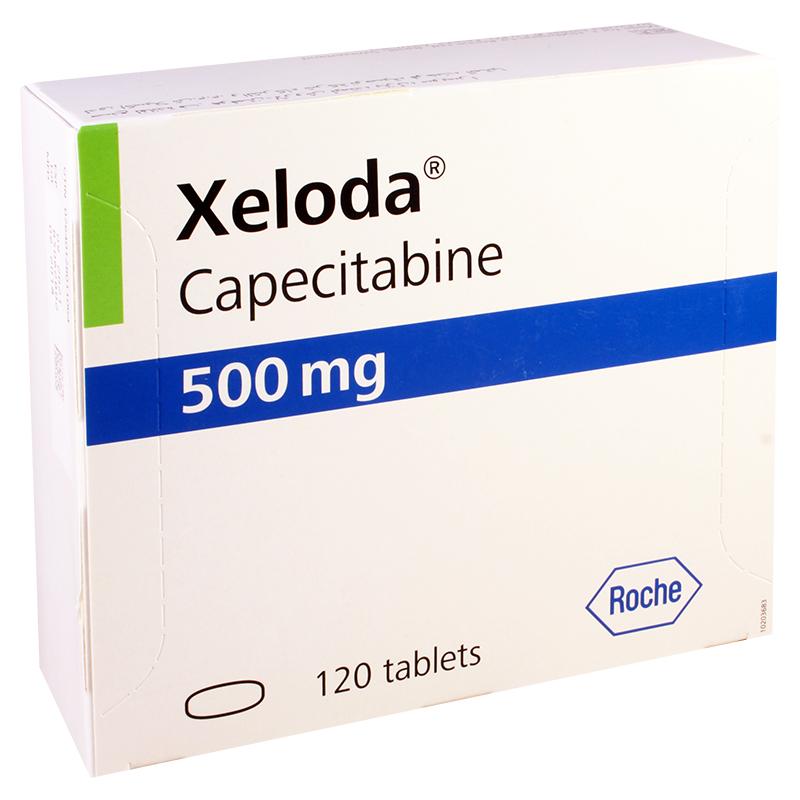
Capecitabine (Xeloda) — oral fluoropyrimidine chemotherapy
What Capecitabine is in simple patient language
Capecitabine — brand name Xeloda. Tablets, not a drip. That is the first thing most patients notice and often the reason it gets described as the easier option. The convenience is real. The drug itself is not mild.
Swallowed as a tablet, capecitabine converts into 5-FU through a series of steps inside the body. The active molecule that eventually does the work is the same one delivered by drip in FOLFOX or FOLFIRI — it just takes a different path to get there. Tumor tissue tends to drive that final conversion step more actively than healthy tissue.
Taking chemotherapy at home changes the practical experience, not the clinical weight of it. Blood counts still need checking. Side effects still need reporting. Mouth, hands, feet and gut all need attention across the cycle. The team needs to hear about problems early — home treatment does not mean less monitoring, it means different monitoring.
How Capecitabine works
The tablet is inactive on its own. It passes through the liver, then into target tissue, before the final conversion to 5-FU takes place. An enzyme concentrated more heavily in tumor tissue drives that last step — the intent being that more drug activates where the tumor is.
The activated 5-FU then blocks something cells need to build DNA. That process stalls. Tumor cells, which divide constantly, feel it most.
DPD, a separate enzyme, is responsible for breaking 5-FU down. Patients with low DPD activity cannot clear the drug at a normal rate. At standard doses, the drug accumulates. The result is severe toxicity that appears fast. This is why DPD status matters before treatment starts, not after the first problem.
Which conditions may be treated with Capecitabine
Capecitabine and infusional 5-FU cover overlapping ground — but they are not always interchangeable.
- colorectal cancer — adjuvant after surgery and in metastatic disease, including CAPOX with oxaliplatin
- gastric and gastroesophageal cancer in selected combination regimens
- breast cancer — metastatic disease and in certain combination approaches
- rectal cancer alongside radiation before surgery in some protocols
- pancreatic cancer in selected patients where an oral fluoropyrimidine fits the plan
- other solid tumors where a fluoropyrimidine is part of the clinical reasoning
Whether capecitabine or infusional 5-FU is chosen depends on more than convenience. Some regimens require infusional delivery. Others work equally well with tablets. The oncologist should explain which applies and why — not assume the patient prefers tablets and leave it at that.
When Capecitabine can be especially relevant
Certain situations make it a natural fit.
- colorectal cancer where CAPOX fits the staging and treatment goal
- adjuvant treatment after colon cancer surgery where an oral schedule is clinically appropriate
- breast cancer where capecitabine monotherapy or combination is the next line
- gastric cancer combinations where the oncologist includes a fluoropyrimidine
- patients where avoiding repeated clinic visits for infusions is a meaningful factor
- second opinion on whether capecitabine or infusional 5-FU fits better
Home treatment sounds straightforward. In practice it requires the patient to manage a twice-daily tablet schedule reliably, recognise side effects early, and communicate problems without the built-in check of a clinic visit. That is not a reason to avoid it — it is a reason to go into it with clear instructions and a direct line to the team.
What should be checked before treatment
Before the first tablet, the team needs a proper picture.
- tumor type, stage and treatment goal
- previous chemotherapy — particularly any prior fluoropyrimidine exposure
- DPD enzyme status — reduced DPD activity means standard dosing is unsafe
- kidney function — capecitabine clearance depends on it, dose adjustment required if impaired
- liver function
- full blood count
- cardiac history — fluoropyrimidines can cause coronary spasm in a small number of patients
- current medications — several drugs interact with capecitabine, including warfarin and phenytoin
- ability to manage a reliable twice-daily schedule and recognise side effects at home
Kidney function carries particular weight. Capecitabine clears through the kidneys — infusional 5-FU takes a different route. When kidney function drops, drug levels climb. The dose needs adjusting, or sometimes the drug is not the right choice at all. This has to be assessed before starting.
How treatment with Capecitabine is usually given
Two tablets a day, with food, for fourteen days. Then a week off. That repeats. In CAPOX the overall schedule is built around the oxaliplatin cycle — the tablet timing fits into that structure, not the other way around.
No clinic visit means no built-in check. Nobody automatically looking at the hands, asking about diarrhea, catching things early. That falls to the patient. Clear instructions and a direct line to the team make that workable.
During treatment the team monitors:
- full blood count before each cycle
- kidney and liver function
- hands and feet — skin reactions are more frequent with capecitabine than with brief 5-FU drips
- mouth — soreness or ulceration making eating or drinking harder than usual
- stool frequency and consistency
- weight and appetite
- any cardiac symptoms — chest tightness or discomfort
- imaging at planned intervals to assess tumor response
Skin reactions on the hands and feet are what patients remember most about capecitabine. The skin on the inner surface of hands and the underside of feet turns red and tender, then gradually worsens across cycles. What starts as mild discomfort can turn into something that makes walking painful or gripping objects difficult. Catching it while it is still manageable is when adjusting the dose is straightforward. By the time it is severe, the choices get harder.
Possible side effects
Capecitabine shares some effects with 5-FU and differs in others.
- skin reactions on hands and feet — the most characteristic feature, redness and soreness that builds gradually
- diarrhea — can become significant, dehydration risk
- nausea and reduced appetite
- mouth soreness or ulcers
- fatigue
- marrow suppression — less pronounced than with many other regimens but still monitored
- cardiac spasm — rare but requires immediate response
- drug interactions — warfarin levels in particular can shift significantly
- taste changes
Warfarin interaction is one that catches patients and teams off guard. Capecitabine can raise warfarin levels enough to increase bleeding risk significantly. Anyone on warfarin needs more frequent INR checks from the start of treatment. This is not optional and not a minor detail.
When to contact a doctor urgently
Home treatment means the patient has to make the call themselves. These situations cannot wait:
- fever — call the same day, no matter how mild it seems
- diarrhea four or more times in a day, or diarrhea with weakness or dizziness
- hand or foot pain, skin breaking down or open areas that prevent normal activity
- mouth sores severe enough that drinking becomes difficult
- chest tightness or pain — stop taking tablets and call immediately
- unusual bruising or bleeding
- repeated vomiting preventing fluids
- any sudden or unexplained change in general condition
The rhythm of home treatment can make it easy to rationalise pushing through a worsening symptom. Hand-foot syndrome that is uncomfortable on Monday and severe by Thursday did not have to get there. Early reporting is what keeps a manageable problem from becoming a reason to stop treatment entirely.
Why Capecitabine is not right for every patient
Tablets at home sounds appealing. The drug is not appropriate for everyone.
- confirmed or suspected DPD deficiency — standard dosing is unsafe
- significant kidney impairment where clearance cannot support safe dosing
- cardiac history that makes fluoropyrimidine-related spasm a meaningful risk
- patients on warfarin where INR monitoring cannot be increased appropriately
- protocols that specifically require infusional 5-FU rather than an oral substitute
- patients who cannot reliably manage a twice-daily schedule or recognise early side effects
This last point is clinical, not a judgement. Some patients benefit more from the structure of clinic visits — where someone checks the hands, asks about diarrhea, and catches problems before they escalate. Capecitabine at home requires a different kind of engagement with treatment. Both approaches are valid. The right one depends on the person.
Can Capecitabine be combined with other treatments
Yes. It is often used in combination. Most common pairings:
- oxaliplatin — CAPOX, used in colorectal and gastric cancer
- radiation — in rectal cancer before surgery in selected protocols
- trastuzumab and other targeted agents in HER2-positive breast cancer
- lapatinib in certain breast cancer settings
- other agents where a fluoropyrimidine fits the regimen and oral delivery is appropriate
CAPOX and FOLFOX are often compared. Both include oxaliplatin. The fluoropyrimidine component differs. For many patients the outcomes are similar — the choice between them depends on practical factors, protocol fit, and sometimes the patient’s own preference and capacity to manage tablets reliably.
What no quick response can mean
Response is assessed after several cycles, not after the first week of tablets. Imaging, markers and symptoms together build the picture. One data point rarely settles anything.
If disease is clearly moving through treatment, if hand-foot syndrome or other toxicity is becoming unsafe, or if the goal of treatment has shifted — the plan needs reviewing. A second opinion is worth seeking when capecitabine versus infusional 5-FU has not been explained, or when the regimen choice is not clear.
Oncology consultation in Israel
Tel Aviv Medical Clinic offers oncology consultations and second opinions for patients on capecitabine or trying to decide between oral and infusional fluoropyrimidine options.
The consultation can cover:
- pathology, molecular profile and imaging review
- previous treatment history and response
- DPD status and kidney function implications
- capecitabine versus 5-FU — when one fits better than the other
- CAPOX versus FOLFOX — practical and clinical comparison
- second opinion on the current regimen
- questions to bring back to the treating oncologist
We do not replace the treating doctor. We help the patient arrive at the next conversation knowing what to ask and what matters.
Frequently asked questions — answered by Dr. Stefanska and Dr. Meerovich
- If capecitabine converts to 5-FU anyway, why not just take the tablets instead of a drip?
Sometimes that is exactly the right answer. In CAPOX, capecitabine replaces the infusional 5-FU in FOLFOX and the outcomes in colorectal cancer are comparable. But some protocols specifically require an infusion — the drug level curve matters, not just the total amount delivered. Others rely on pump delivery for biological reasons tied to how 5-FU works over time versus in a bolus. The answer depends on the regimen, not just on which format is more convenient.
- What is hand-foot syndrome and how bad does it get?
Redness and tenderness on the inner surface of the hands and underside of the feet. It accumulates rather than appearing all at once. Mild in the early cycles, it can become significantly worse by cycle three or four if nothing is done. When it gets to the point where walking is painful or holding things is hard — that is already later than it should have been reported. The dose adjustment is easiest while the problem is still uncomfortable but not yet limiting.
- I take warfarin. Is that a problem?
It needs to be raised before the first tablet. Capecitabine changes how warfarin breaks down, and INR can climb significantly — sometimes enough to cause bleeding complications. More frequent INR checks from the very start are not a precaution to consider, they are a requirement. If that monitoring cannot be arranged consistently, the choice of capecitabine needs to be reconsidered.
- Can I skip a dose if I feel unwell?
Check with the team first rather than deciding alone. Missing doses inconsistently disrupts the cycle and can affect how well treatment works. If something feels severe enough that continuing seems wrong, that is exactly the situation to report — not manage at home. Pausing is sometimes the right call. That decision belongs to the oncologist who knows what is happening, not to the patient guessing at home.
- What documents should I bring for a second opinion?
Pathology with molecular profile if available, recent imaging, the full treatment list with dates and responses, the current regimen and schedule, recent bloods including kidney function. DPD test results if they exist. If hand-foot syndrome, diarrhea or other side effects have developed, a brief account of when they started and how they have progressed is more useful than a general description.
Important information
This page gives general medical information. It is not a personal treatment plan. Capecitabine should be discussed only after review of the diagnosis, stage, DPD status, kidney function, cardiac history, current medications and the patient’s overall condition.
Do not start, stop or change chemotherapy without your treating oncologist.
For consultation about Capecitabine treatment:
📞 +972-73-374-6844
💬 WhatsApp: +972-52-337-3108