


 Contact Us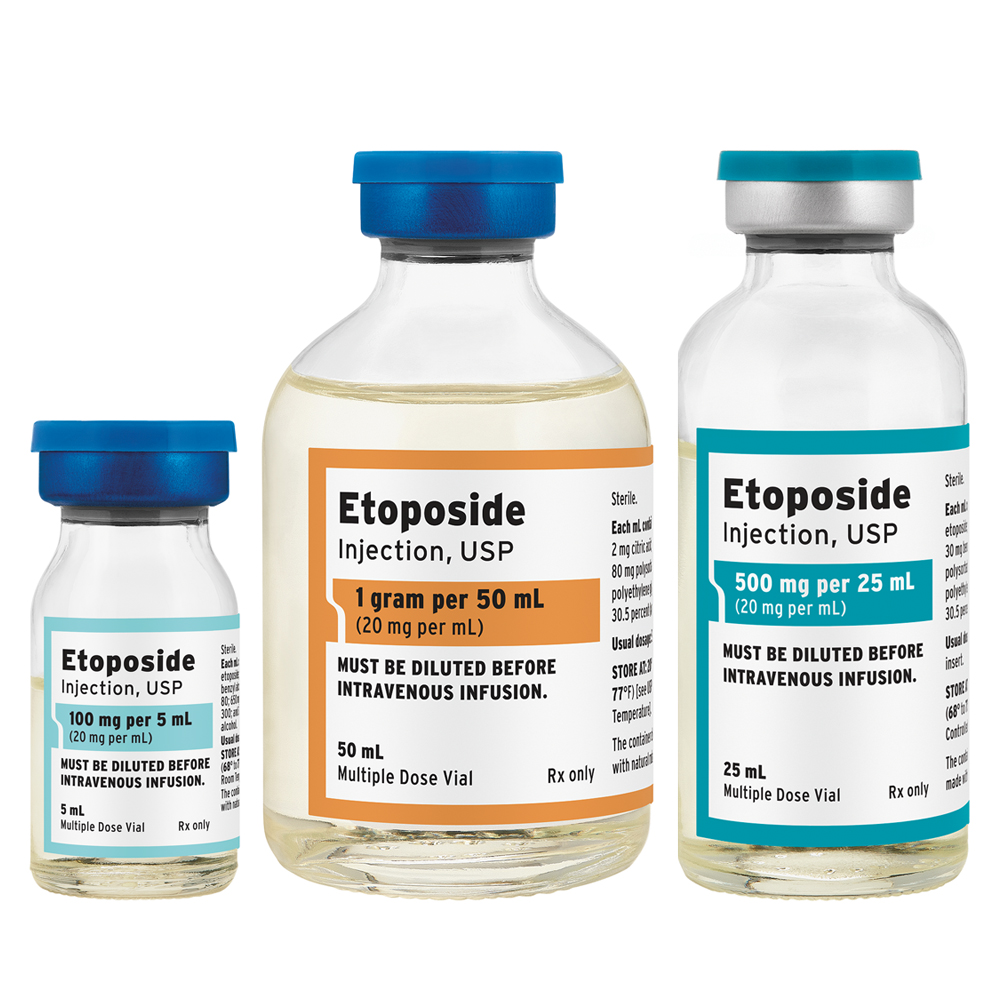
Etoposide (VP-16) — chemotherapy for lung cancer, lymphoma, and other tumors
What etoposide is in simple patient language
VP-16 is another name for this drug. Both refer to etoposide. Chemotherapy \u2014 not an immune drug, not a targeted agent.
A solo prescription is rare. In most plans it runs alongside platinum drugs, other cytostatics, or radiation \u2014 each piece covering a different part of the task. Etoposide’s piece is disrupting tumor cell division.
A matching diagnosis is a starting point. The real question is whether etoposide belongs in this plan for this patient at this moment \u2014 and why.
How etoposide works
To divide, a cell first has to copy its DNA and split it between two new cells. Etoposide jams an enzyme needed to complete that copying. The cell gets stuck, damage accumulates, and it stops reproducing.
Chemotherapy does not pick targets. Bone marrow, mucosa, and hair follicles all take the hit too. Blood count drops, fatigue, nausea, mouth inflammation, hair loss — these follow the mechanism, not bad luck.
The doctor’s job is not just to prescribe. It is to weigh what the treatment gives against what it costs this particular body.
Which conditions may be treated with etoposide
Etoposide comes up in oncology and hematology across several situations where systemic chemotherapy or a combination protocol is on the table:
- small cell lung cancer
- selected non-small cell lung cancer regimens
- testicular and other germ cell tumors
- lymphomas
- acute leukemias in certain protocols
- ovarian cancer and certain other solid tumors where the clinical picture fits
Two patients with the same diagnosis can end up on different plans. Stage, prior treatment, blood counts, and what the treatment is trying to achieve all push the decision in different directions.
When etoposide can be especially relevant
Etoposide tends to enter the discussion when it fills a specific slot in a broader plan, not as a drug chosen in isolation:
- the disease requires systemic chemotherapy
- etoposide is part of the standard combination for this diagnosis
- the treatment needs to be reinforced alongside platinum agents
- the prior regimen has stopped working
- the oncologist is comparing options by efficacy and tolerability
- treatment is being planned as a step toward something more complex
The short question here: what role does etoposide play in the plan right now.
What should be checked before treatment
The oncologist needs to see the full medical picture, not just the diagnosis name.
- biopsy result and exact tumor type
- disease stage and recent imaging
- prior treatment lines and how long each worked
- complete blood count
- neutrophils, hemoglobin, and platelets specifically
- liver and kidney function
- active infections or signs of inflammation
- other medical conditions and current medications
- how prior chemotherapy was tolerated
Bone marrow reserve gets particular attention with etoposide. Severely low blood counts before the start can make treatment dangerous or require a delay, dose reduction, or added support.
How treatment with etoposide is usually given
Most often intravenously. An oral form exists in some situations, but it is not a simple swap — it has different absorption, different dosing logic. The form is the oncologist’s decision.
Treatment runs in cycles: days of drug followed by a recovery period before the next cycle. The gap exists because the bone marrow and mucosa need time to recover, not for scheduling convenience.
During treatment the team tracks:
- complete blood count
- blood chemistry
- liver and kidney markers
- temperature and infection signs
- nausea, weakness, pain, and diarrhea
- any reactions during infusion
- follow-up imaging to assess response
Sometimes treatment runs on schedule. Sometimes the doctor pauses, adjusts support, or revises the plan. A change in timing is not automatically a sign of failure — often it is how safe chemotherapy management works.
What reactions can occur during treatment
Etoposide lands differently in different patients. For some, fatigue and nausea are the main issue. For others, the blood count drop is what needs the most attention.
- drop in white cells, neutrophils, platelets, or hemoglobin
- raised infection risk
- bleeding or bruising when platelets are low
- nausea, vomiting, reduced appetite
- mouth mucosa inflammation
- diarrhea or abdominal discomfort
- hair loss
- fatigue
- liver marker changes
- reactions during infusion
The key is not waiting until a side effect becomes severe. During chemotherapy, early contact with the medical team often makes it possible to continue treatment more safely.
When to call the medical team the same day
Do not wait for the next scheduled visit if any of these appear:
- fever or chills
- rapidly worsening weakness
- shortness of breath, cough, or chest pain
- bleeding, blood in stool or urine
- multiple unexplained bruises
- repeated vomiting or inability to drink
- severe diarrhea
- painful mouth sores that prevent eating
- rash, facial swelling, or breathing difficulty during or after infusion
- a sudden drop in overall condition
No need to figure out whether the symptom is directly caused by etoposide. During chemotherapy, even what looks like a routine fever can be an important signal.
Why etoposide does not suit every patient
Etoposide does not get prescribed simply because it appears in the standard list for a similar diagnosis. Sometimes it belongs in the plan. Sometimes the risk outweighs the expected benefit.
- bone marrow reserve
- blood count levels before the course
- liver and kidney function
- patient age and general condition
- active infection
- prior chemotherapy and its lasting effects
- treatment goal: disease control, symptom relief, or preparation for the next step
When the body is already significantly weakened, the doctor may choose a different option or stabilize the patient’s condition first.
Can etoposide be combined with other treatments
Yes. Etoposide is used in combinations far more often than alone. The doctor may discuss it alongside:
- platinum agents
- other chemotherapy drugs
- radiation in selected tumor types
- lymphoma or leukemia protocols
- an individual plan after reviewing prior treatment
Combinations can be more effective, but they also put more load on the body. Before starting, knowing which risks to expect and how they will be managed is part of the preparation.
What it means when results are not immediate
Patients often expect a clear answer quickly after chemotherapy starts. Reality is more gradual.
Sometimes the tumor shrinks noticeably. Sometimes stabilization is the meaningful result. Sometimes it is too early to draw conclusions and the doctor is waiting for the next planned scan.
The assessment comes from imaging, symptoms, blood trends, tolerability, and disease pace together. One scan or one result rarely tells the whole story. That is why treatment evaluation always goes together with the oncologist, not just from a CT report.
Oncology consultation in Israel
Tel Aviv Medical Clinic offers consultations where etoposide is part of the clinical question, including reviewing whether the proposed regimen makes clinical sense.
A consultation may help when:
- the reason etoposide was chosen needs to be explained
- several chemotherapy options need to be compared
- biopsy and imaging results need to be reviewed by a specialist
- blood count risks need to be assessed in advance
- a second opinion on the proposed plan is needed
- questions need to be prepared for the treating oncologist
- treatment in Israel or a plan review is being considered
We do not prescribe remotely and do not replace the treating physician. We help patients and families understand the medical reasoning and be ready for the next conversation.
Frequently asked questions — answered by Dr. Stefanska and Dr. Meerovich
- Is etoposide usually given alone or in combination?
Almost always in combination. I rarely see it as a standalone prescription. What I look at when a patient brings a plan: which diagnosis, which treatment line, what has already been tried, and whether the body is in a state to handle this load. Sometimes the combination logic is clear and well-founded. Sometimes one missing lab result changes the entire decision.
- How is etoposide different from platinum drugs?
Different drug groups, different mechanisms. Platinum agents damage tumor cells one way, etoposide another. That is precisely why they are sometimes paired — two different mechanisms working at once can produce a stronger effect. But the combination is not automatically better for every patient. The diagnosis, expected response, and complication risk all have to weigh in.
- Why does the blood count matter so much before starting?
Etoposide can significantly affect bone marrow. If neutrophils, platelets, or hemoglobin are already low, a course can be dangerous. A patient may feel reasonable while the labs already show the body has not recovered from the last treatment. In that case the doctor may delay the start or change the support plan. This is not a formality. It is one of the main safety checks.
- Can etoposide be given after prior chemotherapy?
Sometimes yes. But the answer depends on more than just the fact that chemotherapy was given before. I look at which regimen was used, how the patient tolerated it, whether there was a response, how long it lasted, and what has happened to the disease since. The phrase ‘after chemotherapy’ can mean very different situations for different patients.
- Why does infection risk go up during treatment?
The main reason is the drop in neutrophils. These are the white blood cells that respond quickly to bacterial infections. When they are low, a fever is not just a cold symptom. It is a reason to call the doctor the same day, because an infection can develop faster than usual in that state. Patients are told in advance: at what temperature to call and which tests may be needed urgently.
- Will hair always fall out on etoposide?
Not identically for everyone. Hair loss is possible and for some patients it is significant. For others it is more moderate. A lot depends on the full combination of drugs and how long treatment runs. I always discuss this upfront because for most patients it is not a minor matter emotionally, even if medically it is not the most serious reaction. What I also tell patients: once treatment ends, hair growth usually returns gradually.
- What to do if fever appears during treatment?
Contact the team the same day. No waiting. Especially if a course has run recently and blood counts may already be down. A fever during chemotherapy calls for a real assessment, not a decision to wait until morning. Sometimes it is a straightforward viral infection. Sometimes it is a situation that needs urgent blood work and treatment. Making that call at home without guidance is a risk not worth taking.
Important information
This page contains general medical information only. It is not a treatment recommendation. Etoposide may be considered only after reviewing the diagnosis, disease stage, prior therapy, blood counts, and the patient’s overall condition.
Do not start, stop, or change any treatment without speaking to your treating physician first.
For a consultation about etoposide:
📞 +972-73-374-6844
💬 WhatsApp: +972-52-337-3108