


 Contact Us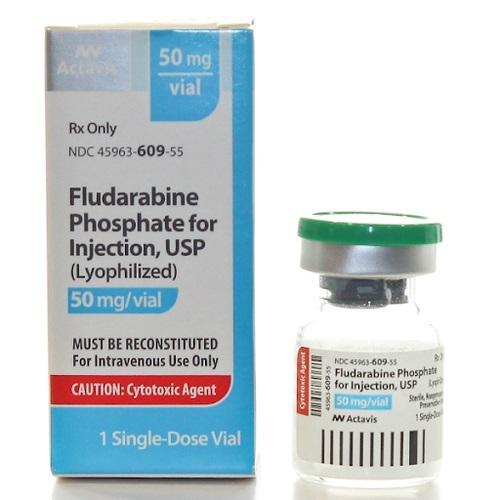
Fludarabine — chemotherapy from the nucleoside analogue group
What Fludarabine is in simple patient language
Fludarabine goes by the generic name in most haematology units — there is no single brand name that dominates. It belongs to the nucleoside analogue class — drugs built to resemble a natural DNA component closely enough that dividing cells take them up, at which point replication collapses.
Two things catch patients off guard most often. First, the immune suppression. Fludarabine does not just lower blood counts temporarily. It depletes a specific group of immune cells — T-lymphocytes — deeply enough that recovery takes months to years. Second, what that depletion means for blood transfusions. Anyone who has had fludarabine needs a specific type of blood product for the rest of their lives — one that has been treated to remove donor immune cells. Not because a transfusion is inevitable. But if one is ever needed, standard blood could trigger a life-threatening reaction. This has to be documented and passed on to every medical team they encounter going forward.
Whether fludarabine belongs in the plan depends on more than the diagnosis. Disease subtype, molecular markers, prior treatment, kidney function, and fitness for the proposed regimen all go into the decision. In CLL particularly, certain genetic findings predict that fludarabine will not work well — and those results need to be in hand before prescribing.
How Fludarabine works
Fludarabine gets into cells through the same channels cells use for their own nucleosides. Once inside, it is converted into an active form that slots into the growing DNA strand during replication. The strand cannot continue past that point.
Replication stops. The cell cannot divide. It dies.
On top of blocking replication, fludarabine interferes with the enzymes cells use to repair DNA damage. Breaks that would normally be fixed accumulate. The cell takes on more damage than it can handle. The reason this works particularly well in certain lymphocyte-driven blood cancers is that those cells are especially dependent on the pathways fludarabine disrupts. The cost is that normal T-lymphocytes are also wiped out broadly — and unlike the cancer cells, they are the ones the body needs back.
Which conditions may be treated with Fludarabine
Fludarabine is a haematology drug. It is not used for solid tumours.
- chronic lymphocytic leukaemia — in the FCR combination with cyclophosphamide and rituximab, a long-standing standard approach in fit patients with favourable molecular markers
- follicular lymphoma and other slow-growing lymphomas — in combination protocols at relapse
- Waldenström macroglobulinaemia — in selected combinations
- relapsed or refractory acute leukaemia — fludarabine is paired with cytarabine in salvage regimens, sometimes with an anthracycline added
- stem cell transplant preparation — used in reduced-intensity regimens before allogeneic transplant to clear the marrow and create space for donor cells
Diagnosis opens the conversation. In CLL, molecular testing now shapes the choice between fludarabine-based treatment and targeted agents more than almost any other single factor. Specific test results obtained before treatment starts determine whether fludarabine is appropriate at all.
When Fludarabine can be especially relevant
Certain clinical situations bring it into focus.
- CLL in a younger, fit patient with favourable molecular profile where FCR is being considered
- follicular or other indolent lymphoma that has come back after prior treatment
- relapsed or refractory acute leukaemia where a salvage regimen built around fludarabine and cytarabine is the proposed approach
- reduced-intensity conditioning ahead of an allogeneic transplant
- second opinion requests on whether fludarabine-based treatment is still the right choice given what targeted agents can now offer
The treatment landscape for CLL has shifted considerably. BTK inhibitors and venetoclax-based combinations are now first-line options for many patients. Whether fludarabine-based chemoimmunotherapy or a targeted approach makes more sense depends on molecular markers, age, fitness and what has already been given. That comparison deserves an explicit conversation, not just a default to the older protocol.
What should be checked before treatment
The team needs a proper picture before the first cycle — not just the protocol name.
- disease subtype and molecular markers — in CLL, specific chromosomal deletions and gene mutations predict poor response to fludarabine and need to be checked first
- prior treatment and response
- kidney function — fludarabine exits through the kidneys; dose reduction at impaired clearance is mandatory
- full blood count and baseline immune status
- any active infection — treatment should not start while serious infection is present
- vaccination history — live vaccines cannot be given during or for a prolonged period after fludarabine
- general physical condition and performance status
- fertility plans when relevant
Kidney function is not just relevant here — it is critical. Fludarabine exits through the kidneys. Starting at standard dose in a patient with meaningfully impaired clearance produces disproportionate toxicity. Dose adjustment is not optional in that setting.
How treatment with Fludarabine is usually given
Fludarabine goes in intravenously over a short infusion, given on each of five days in a row. That block repeats every four weeks. Oral tablets exist for CLL at a higher dose to account for the difference in absorption, though IV remains standard in most combination protocols.
In FCR, fludarabine and cyclophosphamide run across the same five days, with rituximab added on day one of each cycle. In the cytarabine-based salvage regimen, fludarabine runs for four days followed immediately by cytarabine. An anthracycline is added in some variants. In transplant conditioning, fludarabine runs for several days as part of a multi-drug preparative regimen before the donor cells go in.
During treatment the team monitors:
- full blood count before every cycle — lymphocytes and neutrophils fall hard; counts drive decisions about whether to proceed
- kidney function before each cycle
- infection signs throughout — the immune suppression window is long and does not end with the last cycle
- autoimmune markers — fludarabine can trigger the immune system to attack the patient’s own red blood cells
- neurological symptoms — particularly relevant at higher doses
- response assessment at planned intervals
Delays and dose adjustments happen. Kidney function, blood counts, infection — any of these can shift the plan. Asking why is always reasonable.
Possible side effects
Immune suppression is what shapes the fludarabine experience more than anything else. Most side effects follow from how deep and how lasting that suppression is.
- T-lymphocyte depletion — falls deeply and recovers slowly; source of the prolonged infection risk
- neutropenia — bacterial infection risk during active treatment
- anaemia — can include a type where the immune system starts attacking the patient’s own red blood cells
- thrombocytopenia — platelet counts fall; transfusion may be needed
- opportunistic infections — viral reactivations, fungal infections and other organisms that a healthy immune system contains without difficulty
- nausea — present but generally mild
- fatigue
- fever during or shortly after infusion in some patients
Rare but serious:
- autoimmune haemolytic anaemia — the immune system turns against red blood cells; can be severe and requires specific treatment
- central nervous system toxicity at high doses — the reason standard doses are not exceeded
- a serious transfusion reaction that is prevented only by using specially treated blood products in every future transfusion, permanently
The requirement for treated blood products does not expire when treatment ends. It applies in any future hospital admission, any surgery, any emergency. It needs to be written into the patient’s records clearly and the patient needs to carry documentation of it.
When to contact a doctor urgently
Some things during fludarabine treatment should not wait for the next scheduled visit.
- fever above 38 degrees — same-day contact regardless of how the patient otherwise feels
- infection symptoms that are worsening rather than settling
- unusual bruising or bleeding
- jaundice or very dark urine — can indicate the immune system attacking red blood cells
- confusion, visual changes or coordination problems
- any sudden or unexplained change in general condition
The immune suppression from fludarabine does not stop when the last cycle finishes. Infections can develop weeks or months after treatment ends. A patient who has recently completed fludarabine and develops fever should still be assessed the same day.
Why Fludarabine is not right for every patient
Even when the diagnosis fits, fludarabine does not suit every patient at every point.
- significant kidney impairment — standard dosing is not appropriate; reduction is mandatory
- active serious infection — treatment should not start until that is controlled
- very poor baseline immune function where further depletion is not acceptable
- CLL with specific high-risk molecular changes — these predict poor response and a targeted agent is a better starting point
- older or less fit patients where the combined toxicity of FCR is not manageable
- situations where a targeted drug fits the molecular profile and treatment history better
The molecular marker point matters enough to be specific. Patients with CLL carrying certain high-risk chromosomal or genetic changes respond poorly to fludarabine. Checking for these before prescribing is not optional. A patient with those results should not be starting fludarabine-based treatment.
Can Fludarabine be combined with other treatments
Almost always. Single-agent fludarabine outside a few specific settings is the exception.
- cyclophosphamide and rituximab — the FCR combination, long a standard in fit CLL patients with favourable markers
- cytarabine — the core pairing in salvage regimens for acute leukaemia
- idarubicin — added in some salvage variants
- busulfan or melphalan — used alongside fludarabine in transplant conditioning
- anti-CD20 antibodies — rituximab and others added in lymphoma protocols
What fludarabine is combined with changes the full picture. Cyclophosphamide adds marrow suppression. Cytarabine adds gut toxicity. The combination is what the patient goes through, not fludarabine alone.
What no quick response can mean
Response is not measured after one cycle. It takes several cycles, then blood counts, imaging and clinical assessment together. A single result at one timepoint does not tell the full story.
If the disease is not responding, toxicity has become unmanageable, or the regimen is no longer doing what it was designed to do — the plan needs reviewing. Fludarabine is one tool inside a strategy. When that strategy needs updating, the conversation belongs with the treating haematologist and should happen when the evidence calls for it.
Oncology consultation in Israel
Tel Aviv Medical Clinic offers haematology consultations and second opinions for patients at any point in a fludarabine-based protocol. Worth seeking when the comparison between chemoimmunotherapy and targeted agents was not part of the initial conversation, when molecular markers were not tested or explained, when a complication has developed, or when the patient wants an independent view on whether the current plan fits their specific disease.
The consultation can cover:
- pathology, cytogenetics and molecular marker review
- previous treatment history and response
- assessment of current side effects and what can be adjusted
- comparison of fludarabine-based regimens and targeted agent alternatives
- second opinion on the current protocol
- questions to bring back to the treating haematologist
We do not replace the treating doctor. We help the patient arrive at the next conversation knowing what to ask.
Frequently asked questions — answered by Dr. Stefanska and Dr. Meerovich
- Why do patients who have received fludarabine need specially treated blood for life?
Fludarabine wipes out T-lymphocytes deeply enough that the immune system loses its ability to destroy foreign cells for a prolonged period. Normally, donor white cells that arrive with a transfusion are quickly cleared by the recipient’s immune system. After fludarabine that defence is gone. Donor T-cells can survive, recognise the recipient’s body as foreign, and attack it. Treating the blood beforehand kills those donor cells before they go in. The requirement does not have an end date. It covers any future transfusion — planned surgery, emergency admission, anything.
- Has fludarabine been replaced by newer drugs in CLL?
For some patients, yes. For others, FCR remains the stronger choice. Younger, fit patients whose CLL carries favourable molecular markers can achieve durable remissions with FCR that compare well with what targeted agents offer. For patients with high-risk molecular changes, older age, or reduced fitness, targeted drugs have largely taken over as first choice. The molecular profile now drives that decision more than any other single factor.
- How long does immune suppression last after fludarabine?
Longer than most patients expect. T-cell counts can stay significantly below normal for one to two years after the last cycle, sometimes longer. Viral reactivations, fungal infections, bacteria that a normal immune system handles easily — all of these remain a real risk in the months after treatment ends. Antiviral and antibiotic cover is usually kept going well past the last infusion. A fever after completing fludarabine still needs to be assessed the same day.
- What is the difference between FCR and the cytarabine-based salvage regimen?
FCR — fludarabine, cyclophosphamide, rituximab — is a CLL and lymphoma regimen. Day unit, every four weeks. The cytarabine salvage regimen is for acute leukaemia and means a hospital admission. One drug is shared. The intensity, the goal, the partner drugs, the setting and the monitoring are all different. Someone on FCR and someone on the leukaemia salvage regimen are not having similar experiences.
- What documents should I bring for a second opinion?
Pathology report with subtype and immunophenotype. Cytogenetic and molecular test results. Blood work from diagnosis forward. A complete list of treatments — drug names, doses, dates. Recent bloods with kidney function and a differential count. Side effects documented specifically: which cycle they appeared in, how bad they got, what they stopped the patient from doing. Any complications and how they were handled. For anyone who has finished treatment, a note of any infections or immune problems that came up afterwards.
Important information
This page gives general medical information. It is not a personal treatment plan. Fludarabine should be discussed only after review of the diagnosis, disease subtype, molecular markers, prior treatment, kidney function and the patient’s overall condition.
Do not start, stop or change chemotherapy without your treating oncologist.
For consultation about Fludarabine treatment:
📞 +972-73-374-6844
💬 WhatsApp: +972-52-337-3108