


 Contact Us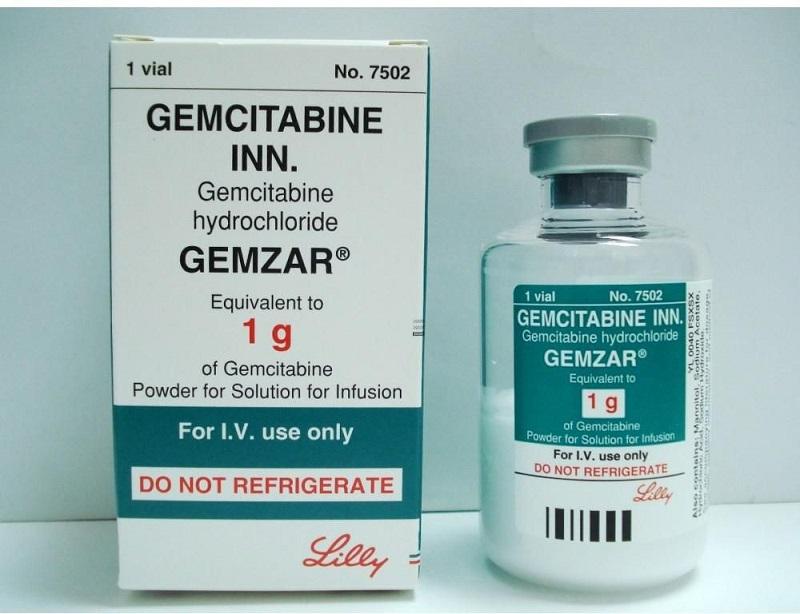
Gemcitabine (Gemzar) — chemotherapy from the nucleoside analogue group
What Gemcitabine is in simple patient language
Gemzar is the brand name. Gemcitabine is what it says on the vial. The drug looks enough like a natural DNA component that dividing cells take it up without resistance — and once inside, it breaks the copying process.
Two things tend to come as a surprise. Fever and aching the evening of the drip — not infection, just the drug. And a heaviness that does not arrive once and leave but settles in deeper with each cycle. Not every patient gets both. But neither is rare enough to skip mentioning before the first infusion.
The decision to use gemcitabine is not made by diagnosis name alone. Stage, previous treatment, what the regimen is trying to achieve, kidney and liver function, lung history — all of it feeds into whether this drug belongs in the plan right now.
How Gemcitabine works
Gemcitabine does not go after the cell from the outside. It gets taken up by dividing cells because it resembles a normal DNA building block. Once inside, enzymes convert it into active forms that work on two fronts: they reduce the supply of nucleotides the cell needs to copy its DNA, and they insert themselves into the growing DNA strand so it cannot be finished.
The cell stalls. Division cannot complete. Eventually it dies.
This mechanism is not specific to cancer cells — it affects any cell dividing quickly. Bone marrow and gut lining cells divide fast. That is where the blood count drops and the nausea come from. Not a malfunction. Just the drug doing what it does in tissue it has no way to spare.
Which conditions may be treated with Gemcitabine
Gemcitabine turns up in several different cancer types, alone and in combination.
- pancreatic adenocarcinoma — locally advanced or spread; in many cases the first drug given after diagnosis
- non-small cell lung cancer — paired with cisplatin or carboplatin in suitable patients
- bladder cancer — the GC regimen combines it with cisplatin for invasive and metastatic disease
- breast cancer — metastatic, after anthracyclines have already been used
- ovarian cancer — at relapse, depending on how much time has passed since the last platinum course
- cancers of the bile ducts and gallbladder — combined with cisplatin, now a standard first approach
- other solid tumors and selected lymphomas where clinical evidence supports it
Diagnosis is a starting point. What matters for the actual decision is stage, molecular profile where relevant, previous treatment, the goal of therapy right now and whether the patient’s body can carry the regimen being proposed.
When Gemcitabine can be especially relevant
Certain clinical situations bring it into focus.
- pancreatic cancer — at diagnosis, during surgical assessment, or once spread is confirmed
- lung cancer where histology and performance status support a gemcitabine-platinum approach over other options
- bladder cancer where GC is being considered against other regimens for that stage
- ovarian cancer that has relapsed before platinum re-challenge is appropriate
- biliary tract cancer at first line, where GemCis is now widely recommended
- second opinion requests on whether gemcitabine fits the plan at all
Gemcitabine does not run on a single fixed schedule. Weekly, every two weeks, days one and eight, days one eight and fifteen — which applies depends on the regimen and what it is paired with. Same drug, different rhythm, sometimes a different clinical goal. That distinction matters and should be part of the conversation upfront.
What should be checked before treatment
The team needs a proper picture before the first infusion — not just the regimen name.
- tumor type, stage and treatment goal
- previous chemotherapy and how it was tolerated
- full blood count — gemcitabine suppresses the bone marrow and baseline levels matter
- liver function — gemcitabine is partly metabolised hepatically and dose adjustments may be needed
- kidney function — the drug and its metabolites clear renally
- lung history — gemcitabine has caused pulmonary toxicity and patients with respiratory problems need that context
- current medications
- general physical condition and performance status
- fertility plans when relevant
Lung history matters more here than with many other drugs. Gemcitabine-related pneumonitis has been documented. A patient with pre-existing lung disease needs an explicit conversation about that risk before the first dose goes in.
How treatment with Gemcitabine is usually given
Gemcitabine goes in intravenously. The infusion runs over thirty minutes in most protocols. Some centres use a slower fixed-dose rate to improve intracellular uptake, though this increases hematologic toxicity.
In pancreatic cancer it is given weekly, or on days one, eight and fifteen of a four-week cycle. In lung and bladder cancer it typically falls on days one and eight of a three-week cycle. In breast cancer it runs on days one and eight with paclitaxel. In ovarian cancer it is given on days one and eight with carboplatin.
During treatment the team monitors:
- full blood count before each dose — neutrophils and platelets drive decisions about whether to proceed
- liver and kidney function at defined points through the course
- urine for protein — part of monitoring for haemolytic uraemic syndrome
- any new respiratory symptoms — breathlessness or cough outside the expected post-infusion window is investigated
- fluid balance and weight — unexplained swelling is not left unaddressed
- imaging at planned intervals to assess tumor response
- how the patient is functioning between cycles
Delays and dose reductions happen and are not automatically a sign of failure. Neutrophil count, platelet count, organ function, reported symptoms — any of these can shift the timing or the amount. Asking why is always reasonable.
Possible side effects
Most patients bring up two things first: the fever and aching on infusion day, and a tiredness that does not clear between cycles.
- fever, chills, muscle aches, headache — show up within hours of the drip, usually gone the next morning
- fatigue — accumulates; by the middle of treatment it is often what limits daily life most
- neutropenia — infection risk rises as the count drops; why bloods are checked before every dose
- thrombocytopenia — platelet drop, bruising and bleeding risk follow
- nausea — less harsh than with cisplatin or carboplatin alone
- raised liver enzymes — common on blood tests, usually temporary
- protein in the urine — picked up on routine urine checks
- leg swelling — fluid retention affects a number of patients
- skin rash in some patients
- hair thinning — usually mild rather than the significant loss seen with some other drugs
Rare but serious:
- pulmonary toxicity — new breathlessness, dry cough or fever outside the usual infusion-day pattern; the drug is stopped and the cause investigated
- haemolytic uraemic syndrome — blood cells break down and kidneys fail; uncommon but the drug stops permanently
- capillary leak — fluid moves out of the bloodstream into tissues; swelling and blood pressure drop follow
Fatigue does not arrive with a bang. It layers. By cycle four it feels different from cycle one even if the dose has not changed. Telling the team how much it has shifted since last time — not just that it is there — is what lets them act on it.
When to contact a doctor urgently
Do not wait for the next scheduled visit if any of these come up.
- fever or chills — same-day call regardless of how the patient otherwise feels
- new breathlessness or dry cough that does not follow the usual post-infusion pattern
- swelling that has appeared quickly without an obvious explanation
- unusual bruising or bleeding
- noticeably reduced urine output
- repeated vomiting preventing eating or drinking
- any sudden or unexplained change in general condition
Fever during chemotherapy is not treated as ordinary illness. Neutrophil counts can be low enough that infection becomes dangerous quickly. A temperature of 38 degrees or above while on gemcitabine means calling the team that day — not waiting to see how it develops.
Why Gemcitabine is not right for every patient
Even when the diagnosis fits and the drug is commonly used for that cancer type, gemcitabine does not suit every patient at every point in treatment.
- significant pre-existing lung disease where adding pulmonary risk is not acceptable
- very low neutrophil or platelet counts before treatment starts
- severe liver impairment affecting how the drug is metabolised
- severe kidney impairment affecting clearance
- previous serious reaction to gemcitabine
- situations where a different drug or regimen better fits the stage, prior treatment history or goal of therapy
Nab-paclitaxel is a different drug, not a version of gemcitabine. In pancreatic cancer it is sometimes proposed alongside gemcitabine, sometimes instead of another agent. If it has come up, asking why that specific combination and not another is a reasonable question.
Can Gemcitabine be combined with other treatments
Yes — almost always. Running gemcitabine alone happens in specific situations. Combination is the norm.
- cisplatin — standard in lung, bladder and biliary cancer; adds renal toxicity and nausea to the picture
- carboplatin — used in relapsed ovarian cancer; somewhat easier on the kidneys than cisplatin
- nab-paclitaxel — the main pairing in pancreatic cancer; brings neuropathy into the side effect profile
- paclitaxel — in metastatic breast cancer
- radiation therapy in selected protocols where gemcitabine acts as a sensitiser
What gemcitabine is paired with changes the overall experience significantly. Cisplatin adds nausea and kidney monitoring. Nab-paclitaxel adds nerve symptoms as a concern. The combination is what shapes the full treatment, not gemcitabine alone.
What no quick response can mean
Response is not measured after one infusion. It takes several cycles, then imaging, markers and clinical assessment together. A single scan midway through rarely draws a conclusion on its own.
If the cancer is clearly progressing, side effects have become unmanageable, or the regimen is no longer achieving what it was designed for — the plan needs reviewing. Gemcitabine is a tool inside a strategy. When the strategy needs updating, that conversation should happen with the treating oncologist rather than being deferred.
Oncology consultation in Israel
Tel Aviv Medical Clinic sees patients on gemcitabine-based regimens and those weighing whether to start one. A second opinion is worth seeking when the reasoning behind the plan was never clearly explained, when side effects are piling up without being addressed, when scans have raised questions, or when the patient wants to know what else is on the table.
The consultation can cover:
- pathology and imaging review
- previous treatment history and response
- assessment of current side effects and what can be adjusted
- comparison of gemcitabine-containing regimens and alternatives
- second opinion on the current plan
- questions to bring back to the treating oncologist
We do not replace the treating doctor. We help the patient arrive at the next conversation knowing what to ask.
Frequently asked questions — answered by Dr. Stefanska and Dr. Meerovich
- Is the flu-like reaction after gemcitabine predictable?
For most patients it follows a consistent pattern — arriving within hours of the infusion, resolving by the next day. Paracetamol before or immediately after the infusion helps. The patients who find it hardest are the ones not warned it was coming. Some get it with every cycle. Others find it fades. Tracking when it appears and how long it lasts is worth passing to the team.
- How does gemcitabine fatigue differ from ordinary tiredness?
It builds. Cycle one may feel workable. By cycle three or four the baseline has shifted — things that were manageable no longer are. This is not a reason to stop without discussion, but it is a reason to plan around treatment days and to say early when fatigue is affecting daily life. The team cannot manage what it has not been told about.
- What should prompt an immediate call rather than waiting?
Temperature above 38 degrees — same day, not the following morning. New breathlessness or a dry cough that does not fit the usual post-infusion pattern. Rapid swelling. Reduced urine output. Bleeding or bruising that is not accounted for. A sudden change in how the patient feels that does not match what previous cycles looked like. If it feels different from the established pattern, call rather than wait.
- Is gemcitabine used the same way across all cancer types?
No. The dose, schedule and combination drug vary significantly by indication. Weekly gemcitabine in pancreatic cancer is a different treatment from gemcitabine on days one and eight with cisplatin in bladder cancer. The blood count nadir timing, the monitoring requirements, the side effect pattern — all differ. The drug name is the same. The treatment is not.
- What documents are worth bringing to a second opinion?
Pathology report. Radiology reports — the written reports, not just images. Operative notes if surgery took place. A full treatment list with drugs, doses and dates. Recent bloods including kidney and liver function. A specific account of side effects: which symptoms, which cycles, how severe, what they are preventing the patient from doing. A concrete account of that is far more useful than a general mention.
Important information
This page gives general medical information. It is not a personal treatment plan. Gemcitabine should be discussed only after review of the diagnosis, stage, previous treatment, organ function and the patient’s overall condition.
Do not start, stop or change chemotherapy without your treating oncologist.
For consultation about Gemcitabine treatment:
📞 +972-73-374-6844
💬 WhatsApp: +972-52-337-3108