


 Contact Us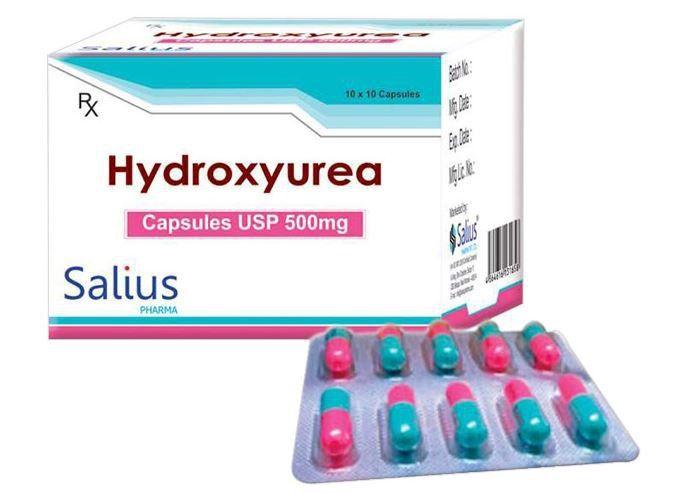
Hydroxyurea (Hydrea) – oral medicine for blood count control and selected oncology plans
What Hydroxyurea is in simple words
Hydroxyurea is an oral anti-cancer medicine. Some patients know it by the brand name Hydrea. In some documents the same active medicine may be called hydroxycarbamide.
It is used when cells are dividing too actively and the doctor needs a way to slow that process down. This may happen in blood diseases, and in a few oncology situations where hydroxyurea has a specific place in the plan.
It is not immunotherapy. It is not one of the newer targeted drugs. It works in a more basic way: it makes it harder for a cell to prepare a clean copy of its DNA before it divides.
The tablet form can be misleading. It may feel less serious than an infusion, but the treatment still needs regular blood checks. The dose is tied to the reason for treatment and to how the body is coping.
The same diagnosis does not always lead to the same plan. Before treatment, the doctor checks the blood test, kidney and liver results, earlier treatment, and the patient’s general strength.
How Hydroxyurea works
A cell has to copy its DNA before it divides. It needs raw material for that copy. Hydroxyurea blocks one step in making that material. When this step is blocked, the cell cannot divide as easily.
This can help when the body is making too many problem cells. The goal may be to lower the counts, take pressure off the body, or keep things stable while the next decision is made.
Healthy cells can feel it too. Bone marrow, the mouth lining, skin and other fast-renewing tissues may react. That is why regular blood tests matter. They are part of safe treatment, not paperwork.
When Hydroxyurea may be considered
Hydroxyurea can be discussed in oncohematology and in selected cancer plans when a doctor needs systemic control or a temporary way to reduce cell activity.
- chronic myeloid leukemia in selected situations;
- myeloproliferative diseases, when blood numbers need control;
- very high leukocytes, when a quick reduction of the cell burden is needed;
- head and neck cancer as part of a combined approach with radiation therapy in selected cases;
- situations where the medicine is used as a bridge while tests are being completed or another treatment plan is being chosen.
This list is not a prescription. In practice, the reason for using hydroxyurea matters as much as the diagnosis itself.
When Hydroxyurea may be especially relevant
Doctors often discuss hydroxyurea when the situation needs control now, but the final treatment decision is still being worked out.
- blood results are rising faster than expected;
- the high cell burden may lead to complications;
- time is needed for molecular tests, bone marrow review or a specialist consultation;
- more intensive treatment is not safe at the moment;
- hydroxyurea is being considered as one part of a wider plan.
The question is not simply whether the medicine can be taken. The real question is why it is needed now, what response the doctor expects, and what would make the plan change.
What should be checked before treatment
Before starting hydroxyurea, the doctor needs more than the name of the disease. The recent tests show whether the body has enough reserve for this treatment.
- a blood test with cell breakdown;
- the level of leukocytes, platelets and hemoglobin;
- blood chemistry results;
- kidney and liver function;
- bone marrow results, if they matter for this diagnosis;
- molecular testing in leukemia or myeloproliferative disease;
- previous treatment and how the body reacted to it;
- recent infection, bleeding, mouth sores or skin ulcers;
- pregnancy or plans for pregnancy.
A pill can look less serious than an infusion. With hydroxyurea that impression can be misleading. If the marrow is already suppressed, the kidneys are struggling, or there is an active infection, the starting plan may need to change.
How treatment with Hydroxyurea is usually given
Hydroxyurea is usually taken by mouth. The exact dose and schedule are chosen for the diagnosis, the blood results, the goal of treatment and the patient’s tolerance.
The dose is not always fixed for a long time. Sometimes the numbers fall quickly. Sometimes they rise again. Sometimes the body reacts in a way no one expected at the start. In those moments the doctor may pause the medicine, lower the dose, or ask for tests more often.
During treatment the team usually follows:
- repeat blood tests;
- changes in leukocytes, platelets and hemoglobin;
- kidney and liver results;
- the mouth lining and other mucous membranes;
- skin changes, small ulcers, darkening or painful areas;
- signs of infection;
- weakness, shortness of breath or bleeding.
Sometimes treatment is quiet and uneventful. Sometimes a short break or a lower dose is needed. This does not automatically mean that the medicine has failed. Often it is just the way a safer dose is found.
Possible side effects of Hydroxyurea
Hydroxyurea has its own pattern of side effects. The main concern is that the bone marrow can be slowed down too much.
Possible reactions include:
- low leukocytes, platelets or hemoglobin;
- weakness and tiredness;
- nausea or lower appetite;
- soreness or inflammation in the mouth;
- skin and nail changes;
- skin ulcers during longer treatment;
- higher sensitivity to infections;
- changes in kidney or liver tests;
- rarely, strong skin reactions or unusual breathing symptoms.
Not every patient gets these problems. But during treatment, even a small fever or new bleeding can be important. It is better to report changes early than to wait until the next routine visit.
When to contact a doctor urgently
Contact the treating doctor quickly if any of these appear while taking hydroxyurea:
- fever or chills;
- new bruises or bleeding;
- sudden strong weakness;
- shortness of breath or chest pain;
- severe diarrhea or repeated vomiting;
- painful sores in the mouth;
- skin ulcers or damaged skin areas;
- rash, swelling of the face, or signs of an allergic reaction;
- clear worsening of general condition without an obvious reason.
Waiting for it to pass by itself can be risky during hydroxyurea treatment. Sometimes a dose change is enough. Sometimes the medicine has to be stopped for a short time while the blood tests are checked.
Why Hydroxyurea is not right for everyone
Hydroxyurea is not a universal answer for every blood disease or every tumor. Its value depends on the task: what has to be controlled, how quickly, and how much risk the patient can safely carry.
It may be unsuitable when the marrow is already strongly suppressed, when there is a serious infection, when kidney problems are significant, when the risk of complications is too high, or during pregnancy.
In some diagnoses, hydroxyurea is only a bridge to another treatment, not the main long-term plan. Sometimes the doctor first needs to clarify mutations, review bone marrow results, or choose a more precise therapy. Starting this medicine without a doctor’s plan is not acceptable.
Can Hydroxyurea be combined with other treatments
Yes, in selected situations hydroxyurea may be part of a wider plan. Combinations are chosen carefully because the burden on blood counts and mucous membranes can become stronger.
The doctor may discuss hydroxyurea:
- as a temporary cytoreductive step;
- together with radiation therapy in selected tumors;
- before a more specific treatment begins;
- while moving from one strategy to another;
- as part of an individual plan made by an oncohematologist.
A combination should not be just an attempt to add one more medicine. Each part of the plan needs a clear reason and a clear way to watch safety.
What no quick response to treatment can mean
With hydroxyurea, the response is often judged by blood results, not by one feeling on one day. Sometimes the numbers begin to move quickly. Sometimes several checks are needed before the doctor can understand whether the dose is enough.
If the goal is to reduce a high cell burden, the main issue is whether the numbers are falling in a safe way. If hydroxyurea is part of an oncology plan, the assessment is wider: symptoms, tolerance, radiation schedule if relevant, and control examinations.
One test result rarely tells the whole story. The direction matters: the numbers should become safer, symptoms should not be getting worse, and treatment should remain tolerable.
Hydroxyurea consultation with an oncologist or hematologist in Israel
At Tel Aviv Medical Clinic, patients can discuss whether hydroxyurea has a place in their situation and whether the proposed plan makes sense.
A consultation may be useful if the patient needs to:
- understand why hydroxyurea was prescribed;
- review blood results and how they are changing;
- get a second opinion for leukemia or a myeloproliferative disease;
- go over a plan for head and neck cancer;
- compare hydroxyurea with other possible options;
- prepare questions for the treating doctor.
We do not replace the treating doctor and we do not prescribe treatment by message. Our role is to help the patient and family understand the medical logic of the plan and prepare for the next step.
Frequently asked questions – answered by Dr. Stefanska and Dr. Meerovich
- Is Hydroxyurea chemotherapy?
Yes. It is an anti-cancer medicine, although it does not look like the chemotherapy many people imagine. It is taken by mouth and is often used to control cell activity.
Because it is a pill, patients may treat it too lightly. I would not do that. It still needs regular blood tests and contact with the doctor, especially at the beginning or when the dose changes.
- Can Hydroxyurea be taken for a long time?
Sometimes yes. It depends on the diagnosis and on the reason for using it. In some diseases it can be used for a long period under hematology follow-up. In other cases it is only a temporary bridge before another treatment.
I would watch the blood, skin, mouth lining, infections and general strength. If the medicine helps but toxicity becomes too much, the plan has to be reviewed.
- Why are blood tests checked so often?
Because the main risk is connected with the bone marrow. Hydroxyurea can lower not only the cells that are too high, but also the cells needed for infection defense, normal hemoglobin and clotting.
A patient may still feel quite well while the test already shows that the dose should change or a pause is needed. That is why blood monitoring is not a formality.
- Is Hydroxyurea used only in cancer?
No. The medicine has uses outside oncology as well. But when we discuss it in an oncology or oncohematology setting, we look at the exact task: control of cell burden, part of a treatment scheme, or a temporary solution before the next stage.
One diagnosis should not be used as an example for another. The fact that hydroxyurea suits one patient does not mean another patient needs it.
- What should I do if mouth sores or skin ulcers appear?
Tell the doctor. Do not wait for the next planned visit.
Sometimes it is a mild reaction. Sometimes it means the body is tolerating treatment worse than expected. The doctor will decide whether blood tests, local care, a break, or a dose change is needed.
- Can Hydroxyurea be combined with radiation therapy?
In some oncology situations, such a combination can be discussed. It needs careful control because tissue sensitivity and side effects may change.
This is not a case of simply adding a second method because one method helps. The aim of the combination has to be clear, and the patient should know which symptoms are warning signs.
- When does it become clear that the medicine is working?
It depends on why it was prescribed. If the aim is to bring very high blood numbers down, the doctor follows the trend in the tests. If the medicine is part of an oncology plan, the assessment is broader.
I would not judge it by one test or one day of feeling better or worse. The direction is what matters: the numbers are safer, symptoms are not getting worse, and the treatment is still tolerable.
Important information
This page gives general medical information. It is not a personal treatment plan. Hydroxyurea can be considered only after review of the diagnosis, blood results, kidney and liver function, previous treatment and the patient’s general condition.
Do not start, stop or change treatment without speaking with the treating doctor.
For a consultation about Hydroxyurea:
📞 +972-73-374-6844
📧 [email protected]
💬 WhatsApp: +972-52-337-3108