


 Contact Us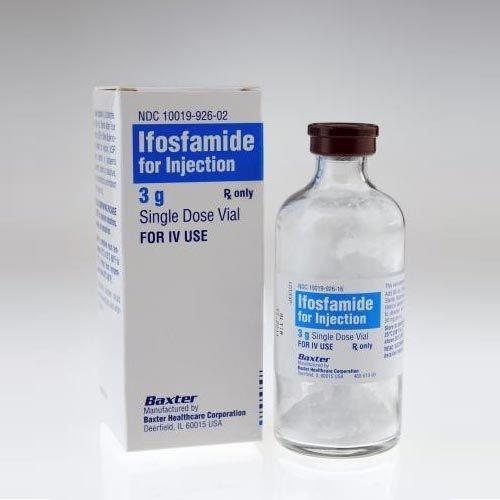
Ifosfamide — chemotherapy for sarcomas, germ cell tumours and complex regimens
What Ifosfamide is in simple patient language
Ifosfamide tends to appear in oncology when the situation is already complicated. The name often comes up with sarcomas, germ cell tumours, certain lymphomas, or when a prior treatment plan has had to change.
It is not a general-purpose drug for any cancer. It has a specific role: working against tumour cells inside a regimen, but at the same time requiring close monitoring.
Two things worth understanding before this treatment. First — why the drug is being added right now. Second — bladder, kidneys, blood and nervous system all need a protection plan. If that plan has not been discussed, ask before the first dose.
How Ifosfamide works
Ifosfamide is an alkylating drug. After entering the body it is metabolised, and the breakdown products attack DNA inside dividing cells.
Tumour cells take a hard hit from this. Normal tissue does too — marrow slows, nausea and fatigue arrive, kidneys and bladder come under strain, and in some patients drowsiness or confusion appears.
That is why a proper ifosfamide course involves more than the drug itself. Mesna, fluids, urine monitoring, kidney checks, temperature control and attention to any unusual symptoms are all part of it.
Which conditions may be treated with Ifosfamide
Ifosfamide comes up when active systemic treatment is needed — not just a local approach or watchful waiting.
- soft tissue sarcomas
- osteosarcoma and certain bone tumours
- germ cell tumours, including testicular cancer
- selected lymphomas in combination regimens
- certain paediatric and young adult tumours within a protocol
- relapse or progression after prior treatment
The diagnosis alone does not settle the question. Stage, prior regimens, how fast the disease is moving, renal function, counts and whether the patient can carry this intensity all feed in.
When Ifosfamide can be especially relevant
Ifosfamide usually comes into the picture when a more active step is needed than observation or gentle support.
- disease has come back after prior therapy
- the tumour needs to be reduced before surgery or another stage
- a sarcoma or germ cell tumour protocol is being followed
- the prior line of treatment is no longer holding the disease
- the patient’s condition allows for this level of intensity
The question here is not whether the drug is strong. The more useful question is whether it has a clear role in the current plan.
What should be checked before treatment
Before ifosfamide the doctor needs more than one discharge letter. A proper picture is required, especially if prior treatment has already put strain on the body.
- biopsy result and exact tumour type
- disease stage and recent CT, MRI or PET-CT
- prior chemotherapy regimens
- full blood count
- creatinine, electrolytes and other kidney markers
- liver tests
- urine test and any bladder symptoms
- albumin level and nutritional status
- any prior episodes of drowsiness, confusion, seizures or neurological changes
- active infections, temperature and regular medications
Bladder protection is discussed in advance. Mesna, fluid support and urine monitoring are not extras — they are a required part of a safe regimen.
How treatment with Ifosfamide is usually given
Ifosfamide is given intravenously. In many regimens this means several consecutive days of treatment, so the schedule and monitoring rules are explained to the patient upfront.
Bladder protection and IV fluids usually run alongside the drug. Some regimens require hospital admission, others are done as outpatient with close monitoring. It depends on the dose, the protocol and the patient’s condition.
Usually monitored:
- full blood count
- neutrophils, platelets and haemoglobin
- creatinine and electrolytes
- urine
- temperature and infection signs
- nausea, vomiting and fluid intake
- drowsiness, confusion or unusual behaviour
- follow-up imaging to assess response
If the next cycle is delayed or supportive treatment is adjusted, that is not always a sign of failure. Sometimes it is exactly how the course gets completed more safely.
Possible side effects
Ifosfamide has several risks the patient should know about before starting. Knowing them helps avoid panic but also helps catch the moment when help is needed.
Possible reactions:
- drop in white cells, neutrophils, platelets or haemoglobin
- infections and fever with low neutrophils
- nausea, vomiting, reduced appetite
- fatigue and marked weakness
- hair loss
- mucous membrane inflammation
- blood in urine or bladder irritation
- kidney strain
- drowsiness, confusion, hallucinations or seizures
- electrolyte disturbances
- possible effects on fertility
Urine and changes in behaviour need particular attention. Blood in the urine, sudden drowsiness, confusion or slurred speech are not things to watch at home for several days.
When to contact a doctor urgently
During ifosfamide treatment call the doctor straight away if any of these appear:
- temperature 38°C or above, chills or infection signs
- blood in urine
- pain, burning or frequent urge to urinate
- sharp drop in urine output
- marked drowsiness, confusion, strange speech or unusual behaviour
- hallucinations or seizures
- vomiting that prevents drinking
- bleeding or bruising without cause
- breathlessness, fainting or rapid worsening of general condition
Some complications are manageable if the doctor hears about them early. Delay can turn a controllable situation into a serious one.
Why Ifosfamide is not right for every patient
Ifosfamide can be useful but it does not suit every patient. Sometimes a tumour needs active treatment but the body no longer has enough reserve for this kind of regimen.
Kidney impairment, active infection, low blood counts, poor overall condition, neurological risk and bladder history can all make this drug unsuitable at a given moment.
Patients often want the most aggressive option available. In oncology that reasoning does not always hold. What matters is whether the plan can actually be carried out safely for this particular patient.
Can Ifosfamide be combined with other treatments
Ifosfamide rarely runs alone. Combinations are common. Each component needs a reason — what it contributes to the goal and how the risks stack up together.
It may be combined with:
- other chemotherapy agents
- mesna for bladder protection
- antiemetic therapy
- blood support drugs when indicated
- surgery or radiotherapy as part of the overall plan
- sarcoma, germ cell tumour or lymphoma protocols
One component attacks the tumour, another protects against complications, another helps the patient get through the course without dangerous interruptions. If the patient does not understand why each component is there, that is worth asking before the start.
What no quick response can mean
With ifosfamide the result is not always visible quickly. Lesions may only shrink after several cycles. Sometimes the first meaningful result is simply that the disease has stopped growing.
For the patient this is a hard waiting period: treatment is demanding but clarity is still limited. The doctor evaluates not just one scan but trends — symptoms, blood results, tolerability, disease pace and comparison of scans over time.
If there is no effect or toxicity is too high, the plan changes. That does not mean everything is lost. It means treatment is being adjusted to fit the real situation.
Oncology consultation in Israel
At Tel Aviv Medical Clinic you can discuss whether ifosfamide fits a specific clinical situation. This is particularly useful when the regimen feels heavy, treatment has already changed several times, or the family wants to understand whether this level of intensity is justified.
The consultation can cover:
- diagnosis and biopsy results
- stage and recent imaging
- why ifosfamide was chosen
- which risks need to be addressed before starting
- whether mesna, hydration and additional monitoring are planned
- what alternatives exist
- how to assess response and when to change approach
- whether treatment in Israel or a second opinion should be considered
We do not prescribe treatment remotely and do not replace the treating doctor. Our goal is to help the patient and family understand the medical reasoning and prepare for the conversation with the oncologist.
Frequently asked questions — answered by Dr. Stefanska and Dr. Meerovich
- Why does ifosfamide get so much attention around the bladder?
Because the bladder is one of the main risk areas with this drug. I always ask whether the patient has had blood in the urine, pain, infections, kidney problems or a difficult reaction to similar treatment before. Missing these details means underestimating the danger. That is why mesna, fluid support, urine monitoring and clear instructions about when to call are discussed before the first cycle. This is not a formality. It is part of running the course safely.
- Does ifosfamide always need to be given with mesna?
In many regimens mesna does run alongside ifosfamide to reduce bladder damage risk. But the patient needs to understand more than just the name of the protective drug. What matters is when it is given, how much fluid is involved, how often urine is checked and what to do at home if pain or blood appears. I would not start this regimen without a clear protection plan. If the patient does not understand that plan, ask before the first infusion.
- How does ifosfamide differ from cyclophosphamide?
They are related drugs but not interchangeable versions of the same treatment. They have different schedules, different typical situations and different toxicity profiles. Patients sometimes see similar names and assume the difference is small. For the doctor it matters a great deal: diagnosis, kidney function, bladder history, prior regimens and the goal of treatment can lead to different decisions. One cannot simply be swapped for the other by name.
- Why do doctors ask about drowsiness and confusion during ifosfamide?
Because in some patients ifosfamide can affect the nervous system. It does not always look like a dramatic event from the first minutes. Sometimes family members notice the person has become unusually sleepy, is getting confused, answering strangely or behaving differently from normal. For me these observations matter even if the patient says they are just tired. It is better to tell the doctor immediately than to wait until the condition becomes serious.
- Can ifosfamide be given to an older patient?
Age alone does not give the answer. I look at kidneys, blood counts, nutrition, activity level, infections, other health conditions and how urgently the tumour needs to be controlled. Sometimes an older patient tolerates the treatment better than a younger but weakened person. Sometimes the opposite. The decision is made on the actual condition and the goal, not the number on the birth certificate.
- When does it become clear whether treatment is working?
Usually not after the first day of infusion. Blood tests, symptom monitoring and follow-up scans after several treatment phases are needed. Sometimes a smaller tumour is the sign. Sometimes simply no further growth. I also look at what the effect is costing: falling blood counts, kidney strain, neurological symptoms. If there is little benefit and high toxicity, the regimen needs to be reviewed.
- What should I prepare for a consultation about ifosfamide?
Not just a discharge letter but the full picture: biopsy, recent imaging, blood and kidney results, liver tests, a list of prior regimens with dates and a description of how they were tolerated. Separately, note whether there was ever blood in the urine, infections, strong drowsiness, confusion, seizures or kidney problems. These details directly affect safety. The better the patient prepares the information, the less risk of discussing treatment without a clear picture.
Important information
The information on this page is general medical information and does not constitute a prescription. Ifosfamide can only be considered after assessment of the diagnosis, disease stage, lab results, renal and liver function, counts, prior treatment and the patient’s overall condition.
Do not start, stop or change treatment without consulting your treating doctor.
For consultation on ifosfamide treatment:
📞 +972-73-374-6844
💬 WhatsApp: +972-52-337-3108