


 Contact Us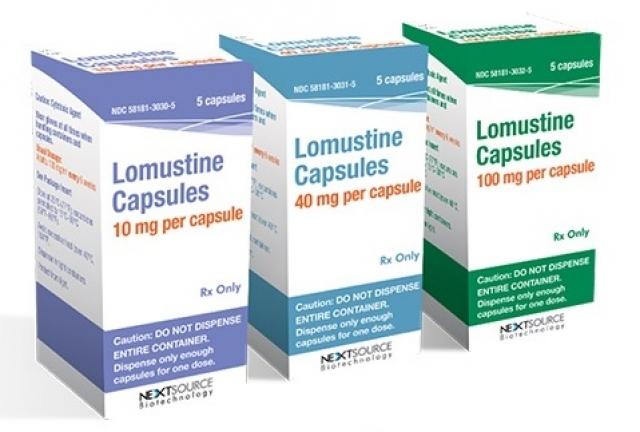
Lomustine (CCNU) — oral chemotherapy for brain tumors, glioblastoma, and Hodgkin lymphoma
What lomustine is in simple patient language
CCNU is another name for lomustine. It comes as a capsule. Patients swallow it at home, once per cycle, on a date set by the doctor.
A pill at home feels less serious than sitting in a clinic. That feeling is misleading. This is still chemotherapy. The body carries a real treatment burden with it.
Brain tumors are where it comes up most \u2014 glioma, glioblastoma, regrowth after earlier treatment. Hodgkin lymphoma after several failed lines is another situation. Selecting it is not automatic. Prior treatment history, current scans, and where the blood counts stand all go into that decision.
Patients often focus on the day they take the capsule. With lomustine, what happens in the weeks after matters just as much. Blood results can shift long after the dose. The schedule for labs, the gap before the next cycle, and the list of warning symptoms are all part of treatment \u2014 not optional extras.
How lomustine works
For a tumor to grow, its cells must keep splitting. Lomustine gets into those cells and disrupts the material they rely on for that process. Without it, division slows or stops.
What catches patients off guard is the delay. The dose goes in, a few weeks pass, things seem manageable \u2014 and then the blood results show low platelets or neutrophils. This is not unexpected. It is a known pattern with this drug, and monitoring is built around it.
Long gaps between cycles exist for this reason. Marrow recovery takes time, and the doctor wants to see the counts before clearing the next dose. Feeling well between cycles does not automatically mean the body is ready.
Which conditions may be treated with lomustine
Lomustine shows up in oncology and hematology when a systemic oral option is needed. It may be discussed for:
- malignant brain tumors
- gliomas and glioblastoma in selected situations
- tumor regrowth after surgery, radiation, or prior chemotherapy
- Hodgkin lymphoma after earlier treatment lines
- individual plans where the doctor is comparing several chemotherapy options
A matching diagnosis does not mean automatic prescription. Imaging, histology, blood counts, prior treatment, and how fast the disease is moving all shape the decision.
When lomustine can be especially relevant
Lomustine tends to come up when the next systemic step needs to be chosen and long gaps between cycles are part of the plan. It may be relevant when:
- prior brain tumor treatment has been completed and the disease has returned
- the tumor is progressing and another systemic option is being evaluated
- the doctor is comparing lomustine against other available drugs
- oral treatment is preferred given the patient’s overall condition
- a clear monitoring schedule between doses is needed
The point is not that the patient takes a pill at home. The point is whether this drug fits the situation and whether the blood counts can carry it safely.
What should be checked before treatment
Before lomustine, the doctor needs a full picture. A patient can look fine while the labs already show high risk.
- exact diagnosis and biopsy or surgical findings
- recent MRI, CT, or other imaging
- all prior treatments and how long they worked
- full blood count including platelets and neutrophils
- liver and kidney function
- lung status, especially if there has been prior breathing difficulty
- active infections, bleeding, or significant weakness
- all current medications
- general condition and ability to attend regular lab checks
Low platelets or neutrophils are often what limits the plan, not the diagnosis. The patient may be ready to proceed, but the bone marrow is not. Waiting in that situation is the safer move.
How treatment with lomustine is usually given
Lomustine is taken by mouth in cycles. The dose and dates are set by the doctor based on diagnosis, body size, prior treatment, blood counts, and treatment goal.
Gaps between cycles are long. This is not downtime. The body needs that stretch to rebuild blood cells, and the doctor uses it to confirm the next course is safe to give.
- full blood count
- platelets, neutrophils, and hemoglobin
- liver and kidney markers
- nausea, appetite, and weight
- temperature and infection signs
- bruising or bleeding
- shortness of breath, new cough, or reduced exercise tolerance
- imaging at scheduled intervals to track disease response
The most important monitoring period often starts after the capsule is taken, not before. Feeling fine after swallowing the pill does not mean nothing is happening.
What side effects to expect
Lomustine side effects can show up late. A blood result that looks alarming may arrive weeks after the dose, when the patient has almost stopped thinking about it.
- nausea or vomiting
- reduced appetite
- fatigue
- low platelets
- low white cells or neutrophils
- anemia
- higher infection risk
- bruising or bleeding
- changes in liver markers
- rare lung problems with repeated or long-term use
The main trap is trusting how you feel. With lomustine, the blood results are often ahead of the symptoms. Staying on the lab schedule is what keeps problems catchable early.
When to contact a doctor urgently
Do not wait for the next scheduled appointment if any of these appear:
- fever or chills
- bruising that appears without injury, or blood found in urine or stool
- weakness that builds quickly
- shortness of breath, new cough, or chest pain
- repeated vomiting or inability to keep fluids down
- dizziness, fainting, or marked pallor
- severe headache, confusion, or new neurological symptoms
- yellowing of skin or eyes
- any sudden drop in overall condition
Not every symptom traces back to lomustine. But after chemotherapy, some complications are much easier to handle when caught early. Waiting to see if something resolves on its own is a risk not worth taking.
Why lomustine is not right for every patient
Lomustine is not a default capsule for brain tumors or lymphoma. Sometimes it looks like the right fit. Other times the labs or treatment history say the risk is too high right now.
- exact tumor type
- disease trajectory on imaging
- results of prior treatment
- platelet and neutrophil levels
- tolerance of previous chemotherapy
- liver and kidney function
- active infections or bleeding
- patient age and general condition
- treatment goal: disease control, slowing growth, or symptom management
There is a difference between a drug that can be prescribed and one that should be prescribed right now. Waiting, reducing intensity, or choosing a different drug can all be the right answer depending on the full picture.
Can lomustine be combined with other treatments
Yes. Lomustine can be part of a broader plan. Adding things without a reason does not help, but the right combinations do.
The doctor may discuss:
- post-surgical and post-radiation monitoring
- other drugs in an individual regimen
- anti-nausea support and nutritional management
- seizure or swelling medications when needed
- plan review at relapse
- clinical trials where available
- palliative care when the main goal shifts to symptom control
Every part of the plan needs a reason. More treatment does not automatically mean more benefit, and the toxicity of unnecessary additions is real.
What no quick response can mean
In brain tumors and after several lines of therapy, results rarely show up fast. Patients sometimes expect a clear shrinkage on the next scan. The doctor is often reading a broader set of signals.
MRI and CT are compared over time. Symptoms, neurological status, blood counts, and how the patient tolerates treatment all go in. Sometimes a stable picture — nothing growing, no worsening complaints — is a meaningful result.
That can feel unsatisfying. But one scan or one lab line is rarely the full story. The decision on whether to continue lomustine is made from the whole picture, not a single data point.
Oncology consultation in Israel
At Tel Aviv Medical Clinic, patients can discuss whether lomustine fits their specific situation.
A consultation may help when:
- the diagnosis and prior treatment history need specialist review
- recent MRI, CT, or PET-CT needs to be discussed in context
- the reason lomustine was proposed is not clear
- other systemic options need to be compared
- blood count risks need to be evaluated before starting
- a second opinion on the treatment plan is needed
- questions need to be prepared for the treating oncologist, hematologist, or neuro-oncologist
We do not prescribe remotely and do not replace the treating physician. We help patients and families understand the medical reasoning and go into the next conversation prepared.
Frequently asked questions — answered by Dr. Stefanska and Dr. Meerovich
- Is lomustine chemotherapy or a targeted drug?
It is chemotherapy. No specific molecular marker selects it. The capsule format is more practical than an IV, but it does not make the drug gentler. What I tell patients: the convenience is real, but the responsibility around timing, labs, and not repeating doses early is even higher than with some infused drugs. The capsule is just the delivery.
- Why do blood counts get tracked for so long after a dose?
Because the drop comes late. A patient can take the course, feel reasonable for a couple of weeks, and then the marrow starts showing the impact. That delayed reaction is built into how lomustine works. Missing a blood draw during that window is exactly when something dangerous can go unnoticed. The monitoring is not overcautious. It matches the drug.
- Can the patient take lomustine at home?
Usually yes, since it is a capsule. But home means following a precise plan, not managing it freely. One set date for the dose, one set schedule for labs, and a clear list of symptoms that mean call today. I also make sure patients know: do not repeat the dose early even if you feel fine. With lomustine, feeling fine and being safe for the next cycle are two different things.
- How long before you know whether treatment is working?
Not quickly. Imaging takes time, and in brain tumors the scans can be genuinely hard to interpret. I look at more than the scan: symptoms, neurological status, blood results, and how the patient is holding up through the cycle. Sometimes the result is not shrinkage but stability — nothing getting worse. That matters. One report is not enough to draw conclusions.
- Why might the doctor delay the next cycle?
Almost always because the blood counts are not ready. Low platelets or neutrophils mean starting again would put the patient at real risk. A delayed cycle is not a sign the treatment stopped working. It is the opposite — it is the plan protecting the patient. Going ahead when the counts are not right creates problems that a short wait would have avoided.
- What to do if fever appears?
Ring the team straight away — not the next morning, not after a few hours of watching. A fever during chemo treatment can signal infection. When white cell counts are already suppressed, that infection can escalate quickly. Do not take paracetamol and wait. The doctor needs the blood picture before deciding what level of response is needed.
- Can lomustine be swapped for a different drug?
That depends on where things stand. The tumor type, what treatments have already run, the most recent imaging, and what the plan is actually trying to achieve right now all feed into that question. Chemotherapy drugs are not interchangeable by default. Different drugs hit different targets, carry different side effect profiles, and fit different stages of disease. I ask about the goal first. Once that is clear, the comparison between options becomes a real conversation rather than a name swap.
Important information
This page contains general medical information only. It is not a treatment recommendation. Lomustine is considered only after reviewing the diagnosis, disease stage, imaging, blood counts, prior treatment, and the patient’s overall condition.
Do not start, stop, or change any treatment without speaking to your treating physician.
For a consultation about lomustine:
📞 +972-73-374-6844
💬 WhatsApp: +972-52-337-3108