


 Contact Us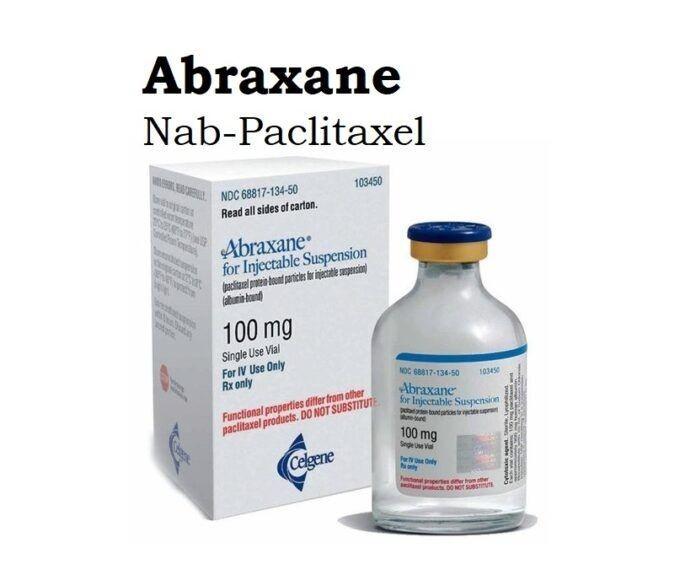
Nab-Paclitaxel (Abraxane) — albumin-bound paclitaxel in breast, lung and pancreatic cancer
What Nab-Paclitaxel is in simple patient language
Abraxane is the brand name. Inside sits paclitaxel — the molecule itself is no different from what goes into Taxol. The packaging around it is another story entirely. No solvent. Instead, albumin — a protein that moves through blood naturally — carries the drug to where it needs to go. That one change in how the drug travels affects what treatment looks like day to day.
With standard paclitaxel, steroids and antihistamines go in before every drip. Every single time. The solvent in that formulation is what provokes reactions, and those medications are there to reduce the risk. Abraxane does not use that solvent, so that preparation step largely disappears. The drip itself also finishes faster.
Shorter preparation, faster infusion — none of that softens the drug itself. The molecule doing the work is still paclitaxel. Nerves and bone marrow feel it regardless of what brought it there. Abraxane has its role not because it is easier on the body but because albumin delivery suits certain tumor types and clinical situations where the solvent-based version is a worse fit.
How Nab-Paclitaxel works
Division requires a cell to physically pull itself in two. There is an internal scaffold that makes that possible. Paclitaxel — regardless of formulation — locks that scaffold in place. The cell cannot complete the split. It stalls, accumulates damage, and stops.
Albumin is a protein the body already uses and moves around naturally. Tumor tissue tends to absorb it actively. Binding the drug to albumin particles is an attempt to use that biology — to let the tumor’s own uptake mechanisms draw more of the drug in. Whether the clinical advantage is meaningful depends on the tumor and the situation.
What the albumin carrier does not change is the core mechanism or the effects on nerves and bone marrow. Those come from paclitaxel itself.
Which conditions may be treated with Nab-Paclitaxel
Abraxane turns up in several cancer types, each for its own reasons.
- carcinoma of the breast — metastatic disease after failure of prior therapy, and in certain combination regimens
- carcinoma of the lung — non-squamous histology in combination with carboplatin
- carcinoma of the pancreas — in combination with gemcitabine as a first-line option
- other solid tumors where nab-paclitaxel has clinical support and standard paclitaxel is not suitable
Diagnosis opens the door, it does not answer the question. In adenocarcinoma of the pancreas, Abraxane alongside gemcitabine is an established approach for patients whose condition allows it. In breast and lung cancer things are less uniform — the right paclitaxel formulation comes down to the regimen, the goal and who the patient is.
When Nab-Paclitaxel can be especially relevant
Abraxane tends to come up specifically in certain situations rather than as a default taxane choice.
- pancreatic cancer where gemcitabine alone is not enough and the patient can handle a combination
- breast cancer where a taxane is needed but avoiding steroid premedication matters clinically
- lung cancer combinations where nab-paclitaxel fits the regimen better than the standard formulation
- patients who have had a serious reaction to standard paclitaxel and need a taxane alternative
- situations where weekly dosing without solvent-related reactions is a priority
- second opinion requests on whether Abraxane fits better than standard paclitaxel for this patient
When Abraxane is proposed specifically, the oncologist should be able to say why — what about this patient or this protocol makes the albumin-bound formulation the right call rather than the standard one.
What should be checked before treatment
Before the first infusion the team needs more than a diagnosis.
- tumor type, stage and treatment goal
- previous chemotherapy — particularly any prior taxane exposure and how it was tolerated
- baseline nerve function — neuropathy present before treatment starts shapes how the dose is managed
- full blood count, especially neutrophils
- liver function
- kidney function
- current medications
- general physical condition and performance status
- fertility plans when relevant
Baseline neuropathy is particularly important. Nab-paclitaxel causes cumulative nerve damage just as standard paclitaxel does. A patient who already has significant tingling or numbness from prior treatment is starting in a different place and needs that factored into the dosing plan from cycle one.
How treatment with Nab-Paclitaxel is usually given
Nab-paclitaxel is given intravenously. No premedication with steroids or antihistamines is required in most cases — one of the practical differences from standard paclitaxel. The infusion itself runs over around 30 minutes, faster than the standard formulation.
Schedule depends on the regimen. Weekly dosing is common. Some protocols use every-three-week dosing. What it is paired with — gemcitabine, carboplatin, or another agent — shapes the overall cycle structure.
During treatment the team monitors:
- full blood count before each cycle — neutrophils and platelets
- nerve symptoms — tracking changes from baseline, not just presence or absence
- liver and kidney function
- fatigue and recovery between cycles
- nausea and appetite
- any signs of reaction during the infusion
- imaging at planned intervals to assess tumor response
Dose reductions and delays happen. With nab-paclitaxel, neuropathy is one of the more common reasons. When tingling in the hands or feet worsens significantly between cycles, that is the signal to act — not to wait until the next scheduled assessment.
Possible side effects
The side effect profile is similar to standard paclitaxel in many ways, with some differences worth knowing.
- peripheral neuropathy — tingling and numbness in hands and feet, tends to build over cycles
- marrow suppression — neutrophil counts drop, raising infection risk
- fatigue
- hair loss — common and usually significant
- nausea, generally manageable
- muscle aching in the days after infusion
- hypersensitivity reactions — less common than with standard paclitaxel due to the absence of solvent, but still possible
- temporary nail changes
Compared to standard paclitaxel, solvent-related reactions are much less of an issue. Neuropathy, however, can be at least as prominent. Some studies suggest it may develop more quickly with nab-paclitaxel at equivalent doses. That makes early reporting of nerve symptoms especially important — not something to mention casually at the end of a visit.
When to contact a doctor urgently
Do not wait for the next planned appointment if any of these appear:
- fever or chills — a same-day call, not a watch-and-wait
- unusual bruising or bleeding that does not settle
- rash, throat tightness or signs of an allergic reaction during or after infusion
- numbness or tingling that has jumped noticeably since the last cycle
- severe fatigue or sudden shortness of breath
- repeated vomiting preventing eating or drinking
- any rapid or unexplained change in general condition
Fever after chemotherapy is not a symptom to manage at home. When neutrophils are low, an infection that would normally be minor can become dangerous in a short window. Earlier is always better.
Why Nab-Paclitaxel is not right for every patient
A matching diagnosis does not make it the automatic choice. The patient’s condition always shapes the decision.
- significant pre-existing neuropathy where further nerve damage is not an acceptable risk
- very low neutrophil count before treatment
- poor liver function affecting drug clearance
- poor general condition where the regimen is unsafe
- situations where the standard formulation or a different taxane fits the protocol more naturally
Abraxane is not an upgraded version of standard paclitaxel. In some situations it belongs. In others, standard paclitaxel or docetaxel is a better fit. The reasoning should be part of the conversation, not something the patient has to ask about.
Can Nab-Paclitaxel be combined with other treatments
Yes. It is almost always used in combination. Most common pairings:
- gemcitabine — the primary combination in adenocarcinoma of the pancreas
- carboplatin — used in lung cancer and in certain breast cancer regimens
- other targeted or immunotherapy agents in selected tumor types where there is clinical support
Each combination has its own demands. Gemcitabine plus nab-paclitaxel in pancreatic cancer carries a different tolerability profile from carboplatin plus nab-paclitaxel in lung cancer. Same drug, different context, different patient experience.
What no quick response can mean
Response assessment happens after several cycles — not after the first infusion. Imaging, markers and clinical picture together give the answer. One data point is rarely enough.
If disease is clearly moving, neuropathy is becoming functionally unsafe, or the original goal no longer makes sense — the plan needs reviewing. A second opinion is worth considering when the reasoning behind Abraxane versus other options has not been clearly explained.
Oncology consultation in Israel
Tel Aviv Medical Clinic offers oncology consultations and second opinions for patients on nab-paclitaxel or considering it. Useful when the choice between Abraxane and standard paclitaxel has not been explained, when neuropathy is building, when a reaction has occurred, or when the family needs clarity on what the treatment is working toward.
The consultation can cover:
- pathology and imaging review
- previous treatment history including prior taxane exposure
- neuropathy assessment and dose management options
- comparison of nab-paclitaxel with standard paclitaxel and docetaxel
- second opinion on the current regimen and combination
- questions to bring back to the treating oncologist
We do not replace the treating doctor. We help the patient arrive at the next conversation with the right questions.
Frequently asked questions — answered by Dr. Stefanska and Dr. Meerovich
- If the active ingredient is the same as Taxol, why does it matter which one is used?
The active molecule is identical. What differs is everything around it — how it is carried, how it distributes, what preparation is needed before infusion, how fast it runs, what reactions it can trigger. Those differences are not cosmetic. In adenocarcinoma of the pancreas, Abraxane with gemcitabine has its own clinical evidence that was built around that specific combination. Swapping in standard paclitaxel is not the same thing. Same ingredient, genuinely different treatment.
- Is the neuropathy from Abraxane different from standard paclitaxel?
Similar in character — tingling and numbness in the hands and feet that accumulates over cycles. Some data suggest it can appear faster with Abraxane at equivalent doses, though this is not universal. What that means practically is that baseline nerve function matters before the first infusion, and any worsening between cycles needs to be described accurately — not just flagged as present. The dose management decisions depend on how the neuropathy is actually progressing.
- No premedication sounds easier — does that mean treatment is less intense?
Not really. The premedication in standard paclitaxel is there because of the solvent, not because of the active drug. Remove the solvent and you remove the need for that particular preparation. The paclitaxel itself is still doing the same job — hitting the same targets, causing the same marrow suppression and nerve effects. Easier preparation before the infusion is a practical advantage, not a sign the treatment is gentler.
- What documents should I bring for a second opinion?
Pathology report, recent imaging, the full treatment history with dates, the current regimen and schedule, recent bloods. If neuropathy is already present, a brief account of when it started, how it changed across cycles and what it currently prevents the patient from doing is more useful than a general mention. Liver function results are worth including specifically.
- If nab-paclitaxel stops working, what are the options?
Depends on the tumor type and what has already been given. In pancreatic cancer, second-line options are limited and the oncologist who knows the full history is the right person to map that out. In breast cancer, the range of subsequent options is wider and depends on receptor status, prior lines and how the patient is doing. A general answer does not serve anyone well here — it needs to be individualized.
Important information
This page gives general medical information. It is not a personal treatment plan. Nab-paclitaxel should be discussed only after review of the diagnosis, stage, prior taxane exposure, nerve function, liver function and the patient’s overall condition.
Do not start, stop or change chemotherapy without your treating oncologist.
For consultation about Nab-Paclitaxel treatment:
📞 +972-73-374-6844
📧 [email protected]
💬 WhatsApp: +972-52-337-3108