


 Contact Us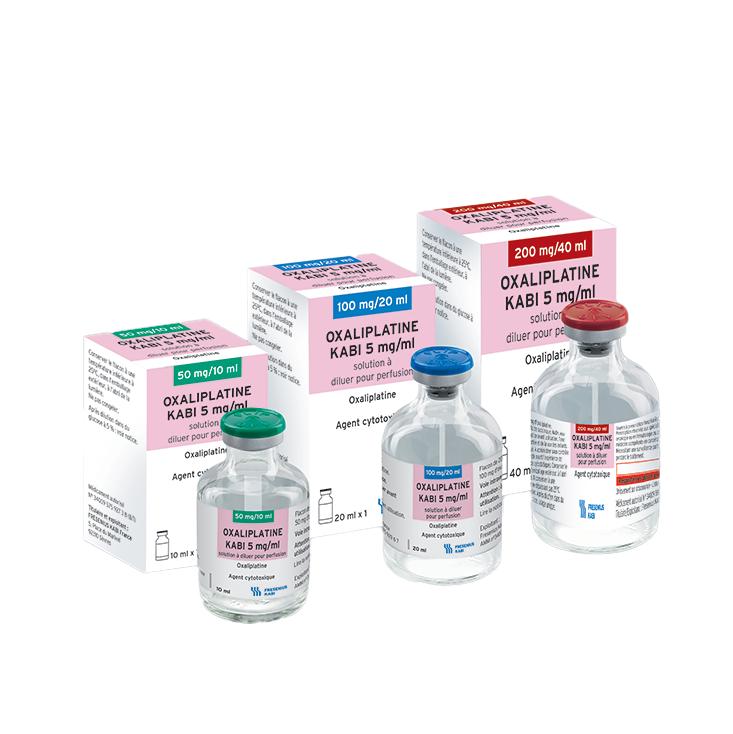
Oxaliplatin — platinum chemotherapy in colorectal and gastrointestinal cancer
What Oxaliplatin is in simple patient language
Oxaliplatin is a platinum drug — same broad family as Cisplatin and Carboplatin, but a different compound with its own place in oncology. That place is mostly colorectal cancer and certain gastrointestinal tumors. It rarely comes up in isolation. Most patients encounter it as part of a named regimen: FOLFOX, CAPOX, FOLFIRINOX.
One thing that makes it stand out from the other platinum drugs is what it does to the nerves. Cold things feel sharp or painful after infusion. Tingling builds over time. Neither of these is a reason to walk away from treatment — but both are reasons to keep track and speak up before they get out of hand.
The right dose, the right schedule, the right partner drugs — none of that falls out of a diagnosis name. Molecular profile, stage, what has already been given, where the patient is physically. The oncologist needs all of it before the plan makes sense.
How Oxaliplatin works
Oxaliplatin enters the cancer cell and damages its DNA in a specific way — creating cross-links that the cell’s own repair system cannot sort out. A cell that cannot repair its DNA cannot divide cleanly. Eventually it stops altogether.
When it runs alongside fluorouracil or capecitabine, the two drugs attack from different angles at the same time. That is the point of the combination — not more treatment for its own sake, but targeting the tumor through more than one mechanism.
Molecular markers play a role here too. RAS and BRAF mutation status shape how likely a patient is to benefit from a platinum-based plan. That is part of why the oncologist asks for more than just the pathology report before settling on a regimen.
Which conditions may be treated with Oxaliplatin
Oxaliplatin is most at home in gastrointestinal oncology.
- carcinoma of the colon — adjuvant after surgery and in metastatic disease
- carcinoma of the rectum, sometimes combined with radiation
- carcinoma of the stomach and gastroesophageal junction in certain regimens
- carcinoma of the pancreas as part of FOLFIRINOX in patients fit enough for it
- other gastrointestinal tumors where the plan has clear clinical reasoning behind it
Diagnosis is where the conversation starts. Stage, molecular profile, previous treatment, current condition and the specific goal — all of that shapes whether Oxaliplatin belongs in the plan right now.
When Oxaliplatin can be especially relevant
There are situations where it becomes a natural part of the discussion.
- adjuvant treatment after colon cancer surgery — the goal is cutting recurrence risk
- first-line treatment of metastatic colorectal cancer in combination
- disease that has progressed and a new combination is being considered
- gastric or pancreatic cancer where the patient can handle an intensive approach
- second opinion requests on whether an oxaliplatin regimen actually fits
When the oncologist proposes FOLFOX or CAPOX, Oxaliplatin is the platinum component of that plan. Knowing what the regimen is designed to achieve — and what the nerve effects could mean over multiple cycles — is part of going into treatment prepared.
What should be checked before treatment
The team needs more than a diagnosis and a regimen name before the first infusion.
- tumor type, stage and molecular profile — RAS and BRAF status
- treatment goal — adjuvant, first-line, or a later line
- previous chemotherapy and how it was tolerated
- baseline nerve function — any existing numbness or tingling before treatment starts
- kidney and liver function
- full blood count
- current medications
- general physical condition
Nerve function at baseline matters more with Oxaliplatin than with most other platinum drugs. A patient who already has significant neuropathy from previous treatment or another cause starts this conversation in a different place.
How treatment with Oxaliplatin is usually given
Oxaliplatin goes in intravenously, as part of a cycle regimen. FOLFOX runs every two weeks. CAPOX every three. The exact schedule depends on what it is paired with and what the plan is trying to achieve.
During each cycle and between cycles the team monitors:
- nerve symptoms — both the acute cold reaction and the cumulative tingling
- full blood count before every cycle
- kidney and liver function
- nausea and appetite
- mouth sores when fluorouracil is part of the regimen
- any unusual reaction during the infusion
- imaging at planned intervals to see how the tumor is responding
Delays and dose reductions happen. That is not automatically a sign the treatment is failing. Sometimes nerves need a break. Sometimes blood counts need more time. Asking why a change happened is more useful than assuming the worst.
Possible side effects
The nerve profile is what makes Oxaliplatin distinct from the other platinum drugs.
- acute cold sensitivity — touching cold objects or breathing cold air triggers sharp sensations in hands, feet or throat, usually in the days right after infusion
- cumulative neuropathy — tingling and numbness that builds over cycles and may not fully go away after treatment ends
- marrow suppression — neutrophils and platelets can fall
- nausea and reduced appetite
- fatigue
- mouth soreness when used alongside fluorouracil
- hypersensitivity reactions, more likely after multiple cycles
- temporary taste changes
The acute cold sensitivity usually settles between cycles. The cumulative tingling is the one that needs watching. Tracking exactly how bad it is getting — not just saying it is there — is what gives the oncologist the information to act before lasting damage becomes the outcome.
When to contact a doctor urgently
Do not wait for the next planned visit if any of these show up:
- fever or chills — same-day call, regardless of how the patient otherwise feels
- throat tightness or trouble swallowing cold things — can be an acute drug reaction
- chest tightness or breathing difficulty during or after the infusion
- rash, swelling or signs of an allergic reaction
- numbness or tingling noticeably worse than the previous cycle
- unusual bruising or bleeding
- repeated vomiting making eating or drinking impossible
- any sudden unexplained change in general condition
Throat tightness with cold is something patients do not always connect to the drug. If swallowing cold liquids becomes uncomfortable in the days after an infusion, that needs to be reported.
Why Oxaliplatin is not right for every patient
Even in colorectal cancer where it is commonly used, it does not fit every patient or every moment in treatment.
- significant pre-existing neuropathy where adding more nerve risk is not reasonable
- poor kidney or liver function
- very low blood counts going into treatment
- previous severe allergic reaction to a platinum drug
- poor general condition where a multi-drug regimen is unsafe
- molecular profile that makes the regimen unlikely to help
Neuropathy is one of the main reasons oncologists stop or reduce Oxaliplatin even when the tumor is responding. Protecting nerve function for the long run sometimes outweighs finishing a schedule that is technically working. That tradeoff should be explained before treatment starts, not discovered halfway through.
Can Oxaliplatin be combined with other treatments
Almost always yes. It rarely runs alone. Most common combinations:
- fluorouracil and leucovorin — FOLFOX
- capecitabine — CAPOX
- irinotecan and fluorouracil — FOLFIRINOX, mainly in pancreatic cancer
- bevacizumab or cetuximab in selected colorectal cases
Each pairing has its own demands. FOLFOX and CAPOX are widely used. FOLFIRINOX is more intensive and reserved for patients in good enough shape for it. What Oxaliplatin is paired with shapes the experience as much as the drug itself.
What no quick response can mean
Response gets assessed after several cycles, not after the first infusion. Scans, markers, symptoms and tolerability all feed into the picture. One result rarely tells the whole story.
If the cancer is moving, if neuropathy is crossing into unsafe territory, or if the regimen is no longer doing what it was designed to do — the plan needs reviewing. Oxaliplatin is one part of a strategy, not the strategy itself. A second opinion can help when the direction is unclear.
Oncology consultation in Israel
Tel Aviv Medical Clinic offers oncology consultations and second opinions for patients on an Oxaliplatin-based regimen or considering one. Useful when the regimen choice has not been properly explained, when neuropathy is becoming a real problem, when a reaction has occurred, or when the family wants clarity on what the treatment is working toward.
The consultation can cover:
- pathology, molecular profile and imaging review
- previous treatment history and response
- neuropathy assessment and dose management
- comparison of FOLFOX, CAPOX and other available regimens
- second opinion on the current plan
- questions to bring back to the treating oncologist
We do not replace the treating doctor. We help the patient arrive at the next conversation knowing what to ask.
Frequently asked questions — answered by Dr. Stefanska and Dr. Meerovich
- How is Oxaliplatin different from Cisplatin or Carboplatin?
All three are platinum drugs but they are not the same and not interchangeable. Oxaliplatin belongs in colorectal cancer regimens — the others do not fit those protocols the same way. Its nerve profile is also its own: the acute cold reaction after infusion and the cumulative tingling over cycles are specific to this drug. Kidney toxicity, the main concern with Cisplatin, is much less of an issue here.
- The cold sensitivity sounds alarming — how bad does it get?
It varies a lot. Some patients find it manageable — avoid cold drinks, wear gloves outdoors for a few days after each infusion. Others find it more disruptive. The acute version usually settles within a week. The cumulative tingling is the one I track at every visit. Not just yes or no — how does it compare to last cycle? That is the information I need to manage the dose before things go too far.
- When does neuropathy become a reason to stop?
No single threshold fits everyone. When the numbness or tingling starts interfering with ordinary things — doing up buttons, walking steadily, holding a glass — that is a signal to pause or reduce the dose. We do not push through significant functional neuropathy to finish a planned number of cycles. Long-term nerve function sometimes matters more than completing the original schedule.
- What documents should I bring for a second opinion?
Pathology with molecular profile if it exists, recent scans, surgery notes if there was an operation, the full list of what has been given and when, the current regimen, and recent bloods. Neuropathy history is worth writing out separately — when it started, which cycles pushed it further, what it actually prevents the patient from doing. That kind of specific detail is far more useful than a vague mention that the hands feel off.
- If Oxaliplatin stops working, what comes next?
No single answer fits here. In colorectal cancer, irinotecan-based options are often the next conversation, alongside targeted agents or immunotherapy depending on what the molecular profile shows. Gastric and pancreatic cancer follow a different logic entirely. The oncologist who knows the full treatment history is the right person to map that out — a general answer from outside that context is not worth much.
Important information
This page gives general medical information. It is not a personal treatment plan. Oxaliplatin should be discussed only after review of the diagnosis, molecular profile, stage, nerve function, previous treatment and the patient’s overall condition.
Do not start, stop or change chemotherapy without your treating oncologist.
For consultation about Oxaliplatin treatment:
📞 +972-73-374-6844
📧 [email protected]
💬 WhatsApp: +972-52-337-3108