


 Contact Us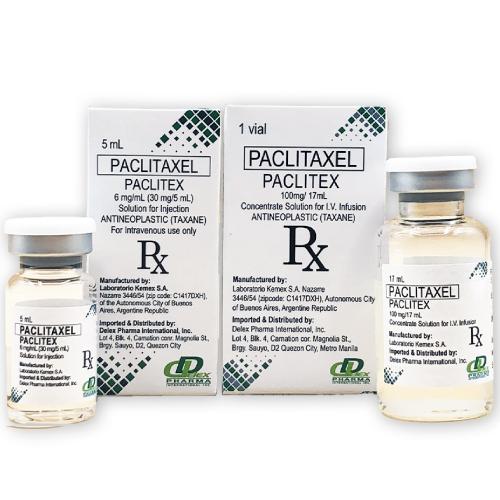
Paclitaxel (Taxol) — chemotherapy from the taxane group
What Paclitaxel is in simple patient language
Paclitaxel goes by the brand name Taxol. It is a taxane — a specific class of chemotherapy with its own mechanism. Patients rarely encounter it as a single agent. It tends to appear inside a regimen: AC-T in breast cancer, carboplatin plus paclitaxel in ovarian cancer, various combinations in lung cancer.
Two things catch patients off guard most often. Hair loss — common and usually significant. Nerve symptoms — tingling, numbness, sometimes burning in the hands and feet that accumulates over cycles. Not every patient gets both. But both are real enough that the conversation should happen before treatment, not during it.
The decision to use paclitaxel is not made by diagnosis name alone. Stage, previous treatment, what the regimen is trying to achieve, kidney and liver function, nerve baseline — all of it feeds into whether this drug belongs in the plan right now.
How Paclitaxel works
Paclitaxel does not go after DNA. Its target is the scaffolding — a structure built from proteins called microtubules — that the cell physically uses to pull itself in two during division. Paclitaxel freezes that scaffolding. Division cannot complete. The cell stalls and eventually stops.
This mechanism makes it useful across a range of tumor types. It does not depend on a specific mutation or receptor — it targets a basic process that dividing cells rely on.
The catch is that normal cells dividing in bone marrow, hair follicles and nerve endings also feel it. That is where the hair loss, blood count drops and neuropathy come from. Not a malfunction — just the drug working on fast-dividing tissue it was not designed to spare.
Which conditions may be treated with Paclitaxel
Paclitaxel appears across multiple tumor types.
- carcinoma of the breast — adjuvant, neoadjuvant and metastatic settings
- carcinoma of the ovary — often combined with a platinum drug
- carcinoma of the lung — both squamous and non-squamous histology in selected regimens
- carcinoma of the cervix in certain combination protocols
- carcinoma of the endometrium in selected situations
- gastric and gastroesophageal junction carcinoma in specific regimens
- other solid tumors where a taxane-containing plan has clinical support
Diagnosis is a starting point. What matters for the actual decision is stage, molecular profile where relevant, previous treatment, the goal of therapy right now and whether the patient’s body can carry the regimen being proposed.
When Paclitaxel can be especially relevant
Certain clinical situations bring it into focus.
- breast cancer — before surgery, after surgery, or when disease has spread
- ovarian cancer paired with carboplatin — a long-standing first-line combination
- lung cancer where histology and the patient’s physical condition support a taxane-platinum approach
- cervical cancer in combination regimens for advanced or recurrent disease
- situations where weekly dosing is being weighed against every-three-week dosing
- second opinion requests on whether a taxane fits the plan at all
Weekly and every-three-week paclitaxel are genuinely different treatment experiences. Same drug, different schedule, different side effect pattern, sometimes a different clinical goal. That distinction matters and should be part of the conversation upfront.
What should be checked before treatment
The team needs a proper picture before the first infusion — not just the regimen name.
- tumor type, stage and treatment goal
- previous chemotherapy and how it was tolerated
- baseline nerve function — any existing numbness or tingling
- full blood count
- liver function — paclitaxel is processed through the liver and dose adjustments may be needed
- kidney function
- history of allergic reactions, particularly to drugs requiring premedication
- current medications
- general physical condition and performance status
- fertility plans when relevant
Liver function matters more here than with many other drugs. Paclitaxel clearance depends on it, and impaired liver function can push levels higher than intended. Premedication is given before every infusion specifically because allergic reactions — including serious ones — can happen. This is not optional and not a formality.
How treatment with Paclitaxel is usually given
Paclitaxel goes in intravenously. Two main schedules exist — every three weeks at a higher dose, or weekly at a lower dose. Which one depends on the tumor type, what it is paired with and what the plan is actually trying to accomplish.
Before every infusion, steroids and antihistamines go in first. This is premedication — it reduces the risk of a hypersensitivity reaction. The infusion runs slowly and the team watches throughout.
During treatment the team monitors:
- full blood count before each cycle — neutrophils in particular
- liver function
- nerve symptoms — baseline versus current
- any signs of allergic reaction during the infusion
- hair loss progression — for patient support rather than clinical decision-making
- nausea, appetite and general recovery between cycles
- imaging at planned intervals to assess tumor response
Delays and dose reductions happen and are not automatically a sign of failure. Neutrophil counts, neuropathy progression, liver numbers — any of these can shift the timing or the dose. Asking why is always reasonable.
Possible side effects
Hair loss tends to be what patients mention first — and with paclitaxel, that concern is usually valid.
- hair loss — significant and common, usually starting within the first few weeks
- peripheral neuropathy — tingling, numbness or burning in hands and feet, builds over cycles
- marrow suppression — neutrophils drop, raising infection risk
- fatigue
- nausea, usually less severe than with platinum drugs
- muscle and joint aching in the days after infusion
- hypersensitivity reactions during the infusion — premedication reduces but does not eliminate this risk
- temporary nail changes
- mouth soreness in some patients
Neuropathy is the side effect that deserves the most active tracking. Acute aching after infusion usually fades within days. Cumulative tingling and numbness in the hands and feet can persist long after treatment ends if the dose is not managed carefully. Reporting exactly how bad it is getting — not just that it is there — gives the oncologist what is needed to act.
When to contact a doctor urgently
Some things during paclitaxel treatment should not wait for the next scheduled visit.
- fever or chills — same-day call regardless of how the patient otherwise feels
- breathing difficulty, chest tightness or throat swelling during or after infusion
- rash, flushing or signs of allergic reaction
- numbness or tingling that has jumped noticeably worse since the last cycle
- unusual bruising or bleeding
- repeated vomiting preventing eating or drinking
- severe muscle weakness or difficulty walking
- any sudden or unexplained change in general condition
Reactions during the infusion can develop quickly. The team is watching for this, but the patient should also say something immediately if anything feels wrong — pressure in the chest, throat tightness, sudden dizziness.
Why Paclitaxel is not right for every patient
Even when the diagnosis fits and the drug is commonly used for that cancer type, paclitaxel does not suit every patient at every point in treatment.
- significant pre-existing neuropathy where adding more nerve damage is not reasonable
- severe liver impairment affecting drug clearance
- very low neutrophil count before treatment
- previous serious hypersensitivity to paclitaxel or drugs in the same formulation
- poor general condition where the regimen is unsafe
- situations where nab-paclitaxel or docetaxel may be a better fit
Nab-paclitaxel is a different formulation of the same active drug. It does not require the same premedication, has a different tolerability profile and is not simply interchangeable with standard paclitaxel. If one has been proposed, asking why that formulation rather than the other is a reasonable question.
Can Paclitaxel be combined with other treatments
Yes — almost always. Common combinations include:
- carboplatin — one of the most widely used pairings, particularly in ovarian and lung cancer
- trastuzumab and other HER2-targeted agents in HER2-positive breast cancer
- bevacizumab in certain breast and gynecological cancer regimens
- anthracyclines in breast cancer sequential regimens
- radiation therapy in selected protocols
What paclitaxel is paired with changes the overall experience significantly. Carboplatin adds its own marrow suppression and nausea. Trastuzumab brings cardiac monitoring into the picture. The combination is what shapes the full treatment, not paclitaxel alone.
What no quick response can mean
Response is not measured after one infusion. It takes several cycles, then imaging, markers and clinical assessment together. A single scan or a single blood result is rarely enough to draw conclusions.
If the cancer is clearly progressing, neuropathy is becoming functionally significant, or the regimen is no longer achieving what it was designed for — the plan needs reviewing. Paclitaxel is a tool inside a strategy. When the strategy needs updating, that conversation should happen with the treating oncologist rather than being deferred.
Oncology consultation in Israel
Tel Aviv Medical Clinic offers oncology consultations and second opinions for patients on a paclitaxel-based regimen or considering one. Useful when the regimen choice has not been fully explained, when neuropathy is becoming a real problem, when a reaction has occurred, or when the patient wants to understand what alternatives exist.
The consultation can cover:
- pathology and imaging review
- previous treatment history and response
- neuropathy assessment and dose management options
- comparison of paclitaxel formulations and schedules
- second opinion on the current plan
- questions to bring back to the treating oncologist
We do not replace the treating doctor. We help the patient arrive at the next conversation knowing what to ask.
Frequently asked questions — answered by Dr. Stefanska and Dr. Meerovich
- Is hair loss with paclitaxel guaranteed?
Not guaranteed, but common enough that most patients should be prepared for it. The degree varies — some lose most of their hair, others lose less. Weekly dosing sometimes produces a milder response than every-three-week dosing, but this is not reliable enough to count on. The timing is usually within the first few weeks of treatment. Hair typically grows back after treatment ends, though the texture can change initially.
- How is paclitaxel different from docetaxel?
Both are taxanes and both target cell division the same way. The differences are in where each one is most commonly used, the schedule, the side effect profile and the specific combinations they appear in. Docetaxel tends to cause more fluid retention and a different pattern of nail and skin effects. Paclitaxel is more associated with neuropathy building over time. They are not simply interchangeable — the choice between them depends on the tumor type, the regimen and the patient.
- When does neuropathy become a reason to change the plan?
When it starts interfering with daily life — not just noticeable but actually limiting. Trouble holding things, walking steadily, doing up buttons. At that point the dose needs reviewing. We do not push through worsening functional neuropathy to complete a planned number of cycles. Nerve damage that is ignored can become permanent. Catching it at the right moment is what prevents that.
- What is nab-paclitaxel and how does it differ?
Nab-paclitaxel uses albumin particles as the carrier instead of the solvent in standard paclitaxel. That change matters practically — no premedication needed, fewer solvent-driven reactions, a somewhat different tolerability pattern. It comes up in breast cancer, in pancreatic adenocarcinoma and in certain lung cancer protocols. Not a newer version of the same thing — a different formulation with its own logic.
- What documents should I bring for a second opinion?
Pathology report, recent scans, surgery notes if relevant, the full list of what has been given and when, the current regimen, recent bloods with liver function. Neuropathy history is worth laying out separately — when it appeared, which cycles pushed it further, what it actually stops the patient from doing. A concrete account of that is far more useful than a general mention.
Important information
This page gives general medical information. It is not a personal treatment plan. Paclitaxel should be discussed only after review of the diagnosis, stage, previous treatment, nerve function, liver function and the patient’s overall condition.
Do not start, stop or change chemotherapy without your treating oncologist.
For consultation about Paclitaxel treatment:
📞 +972-73-374-6844
📧 [email protected]
💬 WhatsApp: +972-52-337-3108