


 Contact Us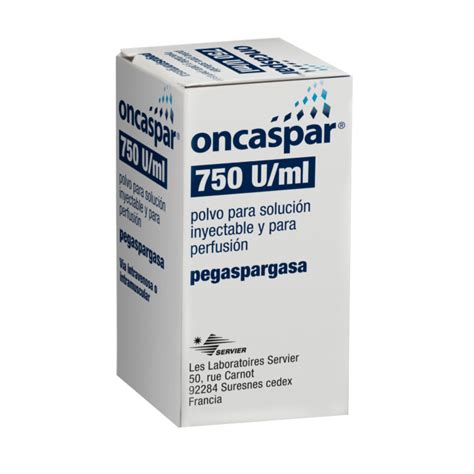
Pegaspargase (Oncaspar) — asparaginase medicine in ALL treatment plans
What Pegaspargase is in simple words
Pegaspargase is from the asparaginase group. Many patients do not picture this when they hear the word chemotherapy. In ALL, it is used only inside a full treatment plan.
The point is to cut down asparagine in the blood. Some leukemia cells rely on this amino acid. When the amount falls, they cannot manage as well. The idea sounds simple. The monitoring is not simple.
Pegaspargase is not chosen away from the protocol. The hematologist looks at the diagnosis, age, earlier reactions to asparaginase, blood tests, liver results, and the general risk of complications.
How Pegaspargase works
In ALL, many leukemia cells cannot make enough asparagine by themselves. They take it from the blood. Pegaspargase lowers that supply. Healthy cells usually have other ways to cope. Leukemia cells often do not.
For those cells, this is like being left without something they need to keep going. That is the main point of the medicine.
Pegaspargase usually comes with other medicines. Steroids, vincristine, anthracyclines, or methotrexate may be on the same treatment page. Without that page, the name Pegaspargase says too little.
When Pegaspargase may be considered
Doctors usually bring up Pegaspargase when the plan already includes an asparaginase medicine.
- ALL treatment plans at different ages;
- lymphoblastic lymphoma, when the plan is close to ALL treatment;
- situations where another asparaginase form is needed;
- separate clinical protocols where the drug is one part of combined treatment.
The diagnosis by itself does not decide the plan. Two people can have the same disease name and still receive different treatment because of age, risk group, tolerance, and what has already been given.
When Pegaspargase can be especially relevant
The drug is usually discussed when the asparaginase part of treatment needs to stay in the plan, but the safest form has to be chosen for this patient.
- when ALL treatment is starting and the protocol includes asparaginase;
- when fewer injections are preferred compared with some other forms;
- when there was a reaction to another asparaginase and a replacement is being considered;
- when an important part of therapy should not be lost;
- when the plan is being reviewed after side effects or poor tolerance.
The question is not whether the drug is stronger. The question is whether this part of treatment can be given with an acceptable level of risk.
What should be checked before treatment
Before pegaspargase is given, the doctor does not look only at the blood count. This medicine has its own risk points, and it is better to check them before the dose.
- the exact diagnosis and the treatment protocol;
- the patient’s age and general condition;
- any earlier reaction to asparaginase;
- liver tests and bilirubin;
- blood sugar and metabolic problems;
- triglycerides, if this is important in the situation;
- blood clotting and thrombosis risk;
- any symptoms that could point to the pancreas;
- other illnesses and all medicines the patient already takes.
One old problem can change the plan. Previous pancreatitis, a strong allergy, a clot, or serious liver trouble matters here. Any of these can be a reason to pause, change the drug, or choose another step.
How treatment with Pegaspargase is given
Pegaspargase is given as part of the protocol. How it is given, and when, depends on the treatment plan, the patient’s age, and the stage of therapy.
After the dose, follow-up is still needed. The team checks how the patient feels, reviews the tests, and looks for early signs of trouble.
- complete blood count;
- liver tests and bilirubin;
- blood sugar;
- blood clotting tests;
- abdominal pain, nausea, or strong weakness;
- signs of allergy or infusion reaction;
- treatment response according to the hematologist’s plan.
Sometimes the course goes smoothly. Sometimes the doctor pauses, changes support medicine, or discusses another asparaginase option. This does not always mean the treatment has failed. Often it is simply risk management.
Possible side effects
Pegaspargase can be an important part of treatment, but it is not a light medicine. Some reactions happen quickly. Others appear later, when the patient is already at home or between visits.
Possible reactions include:
- allergic reaction, rash, itching, swelling, or breathing difficulty;
- abdominal pain, nausea, or vomiting;
- inflammation of the pancreas;
- higher liver enzymes or bilirubin;
- changes in blood clotting;
- thrombosis or, on the other side, a tendency to bleed;
- higher blood sugar;
- changes in blood lipids;
- weakness, fever, or poor appetite;
- infections during the wider anti-cancer treatment.
Symptoms should not be carried until the next visit. With this group of medicines, belly pain, breathing changes, a swollen leg, bleeding, or sudden heavy weakness need a quick call.
When to contact a doctor urgently
Call the treating team quickly if any of these appear:
- hives or swelling of the face, lips, or throat;
- breathing feels hard, wheezing starts, or the patient suddenly becomes very weak after the dose;
- strong or growing abdominal pain;
- repeated vomiting;
- yellow skin or yellow eyes;
- new bruises, bleeding, or blood in urine or stool;
- chest pain, sudden trouble breathing, or pain or swelling in one leg;
- a severe headache, speech changes, or weakness in an arm or leg;
- marked sleepiness or confusion;
- high fever or a fast drop in general condition.
Not every symptom is necessarily caused by pegaspargase. Still, during this kind of treatment it is safer to check early than to miss a complication that has to be stopped in the first hours or days.
Why Pegaspargase is not right for everyone
Pegaspargase has an important place in ALL treatment, but it is not a universal drug for every patient. Sometimes the risk of complications becomes higher than the expected benefit.
The decision may be affected by:
- a past severe allergic reaction;
- pancreatitis in the past or signs that it may be starting;
- serious liver problems;
- thrombosis or a high risk of clotting problems;
- poorly controlled blood sugar;
- the patient’s age and general condition;
- how important this drug is in this exact protocol.
Sometimes the drug is continued with closer monitoring. Sometimes it is changed to another asparaginase form. Sometimes the whole treatment step is reviewed. The protocol name alone is not enough for this decision.
Can Pegaspargase be combined with other medicines
Yes. In most cases pegaspargase is given as part of combined treatment. That is why the doctor needs to see the whole plan, not one drug on its own.
It may be used in plans that also include:
- steroids;
- vincristine;
- anthracyclines;
- methotrexate;
- cytarabine;
- other medicines from the ALL protocol.
A combination needs more careful monitoring. One drug can affect the blood, another the liver, another infection or clotting risk. So the patient needs to understand not only the name pegaspargase, but also the reason for the whole plan.
What “no quick response” can mean
In ALL, response is not judged only by how a person feels and not after one dose. The hematologist looks at blood tests, bone marrow results, minimal residual disease, tolerance, and recovery after each step.
Sometimes the patient feels better, but treatment still needs to continue by protocol. Sometimes the tests look heavy because of the treatment itself, not because the disease is worse. These things should be discussed with the hematologist, not guessed from one result.
No quick clear answer does not always mean that the drug is not working. But waiting without control is not safe either. In hematology, the timing of checks is tied to the treatment stages.
Hematology consultation about Pegaspargase in Israel
At Tel Aviv Medical Clinic, patients can discuss where pegaspargase may fit in a treatment plan for ALL or lymphoblastic lymphoma.
A consultation may be useful if the patient needs to:
- understand why the drug was included in the protocol;
- review allergy, pancreatitis, thrombosis, liver, and sugar risks;
- get a second opinion on the proposed plan;
- understand whether another asparaginase form is needed after a reaction;
- prepare questions for the treating hematologist;
- discuss treatment in Israel or compare it with a plan already offered.
We do not prescribe treatment remotely and we do not replace the treating doctor. Our role is to help the patient and family understand the medical logic and prepare for the next step.
Frequently asked questions — answered by Dr. Stefanska and Dr. Meerovich
- How is Pegaspargase not the same as regular L-asparaginase?
It usually stays active for longer. Because of that, some protocols need fewer doses.
But convenience does not make the medicine simple. Allergy, pancreatitis, thrombosis, liver problems, and metabolic changes remain real risks. I would look not only at the drug name, but also at how the patient tolerated earlier treatment steps.
- Can doctors switch from Pegaspargase to another asparaginase?
Sometimes they can. But it is not like changing one painkiller for another. The reason has to be clear: allergy, poor activity of the drug, intolerance, or the rules of the protocol.
Before that decision, the full history matters: when the reaction happened, how severe it was, which tests changed, and how important it is to keep this treatment part in the plan.
- Why are the liver and pancreas checked so carefully?
These organs may react to asparaginase. Sometimes the change is small and only needs watching. Sometimes treatment has to pause while the team checks what is happening.
Strong belly pain, vomiting again and again, yellow eyes or skin, or a clear sudden drop in how the person feels should be reported the same day. This is not something to watch for several days at home.
- Does Pegaspargase always have to stop after an allergy?
No. A mild rash is not the same as a severe reaction. Still, the patient should report any reaction. The doctor then decides how serious it was.
If rash or swelling appears during the dose, or breathing becomes difficult, pressure drops, or the patient suddenly feels very weak, the team needs to know at once. After that, the doctor decides about the next dose, extra preparation, or a different medicine.
- Why is Pegaspargase discussed so often in ALL?
Because in ALL, the asparaginase part may be important inside the protocol. It is not a separate extra drug. It is part of the whole strategy.
Still, even in ALL, the plan is not the same for everyone. Age, risk group, early response, and tolerance can change the treatment quite a lot.
- Can severe side effects be predicted before treatment?
Not completely. But risk factors can be checked: past reactions, liver condition, blood sugar, clotting, other illnesses, and earlier complications.
That is why I do not like discussing this medicine away from the patient. In hematology, the protocol matters. But the person going through the protocol matters just as much.
- What should the family do if a child or adult on Pegaspargase feels worse at home?
Do not wait and do not try to explain it alone. Contact the treating team or seek urgent help, especially with abdominal pain, breathing trouble, swelling, bleeding, high fever, confusion, or sudden weakness.
During this treatment, one early call is better than missing a complication. That is not panic. It is normal caution.
Important information
The information on this page is general medical information only. It is not a treatment prescription. Pegaspargase can be considered only after review of the diagnosis, protocol stage, test results, tolerance of previous treatment, and the patient’s general condition.
Do not start, stop, or change treatment without speaking with the treating doctor.
For a consultation about Pegaspargase:
📞 +972-73-374-6844
💬 WhatsApp: +972-52-337-3108