


 Contact Us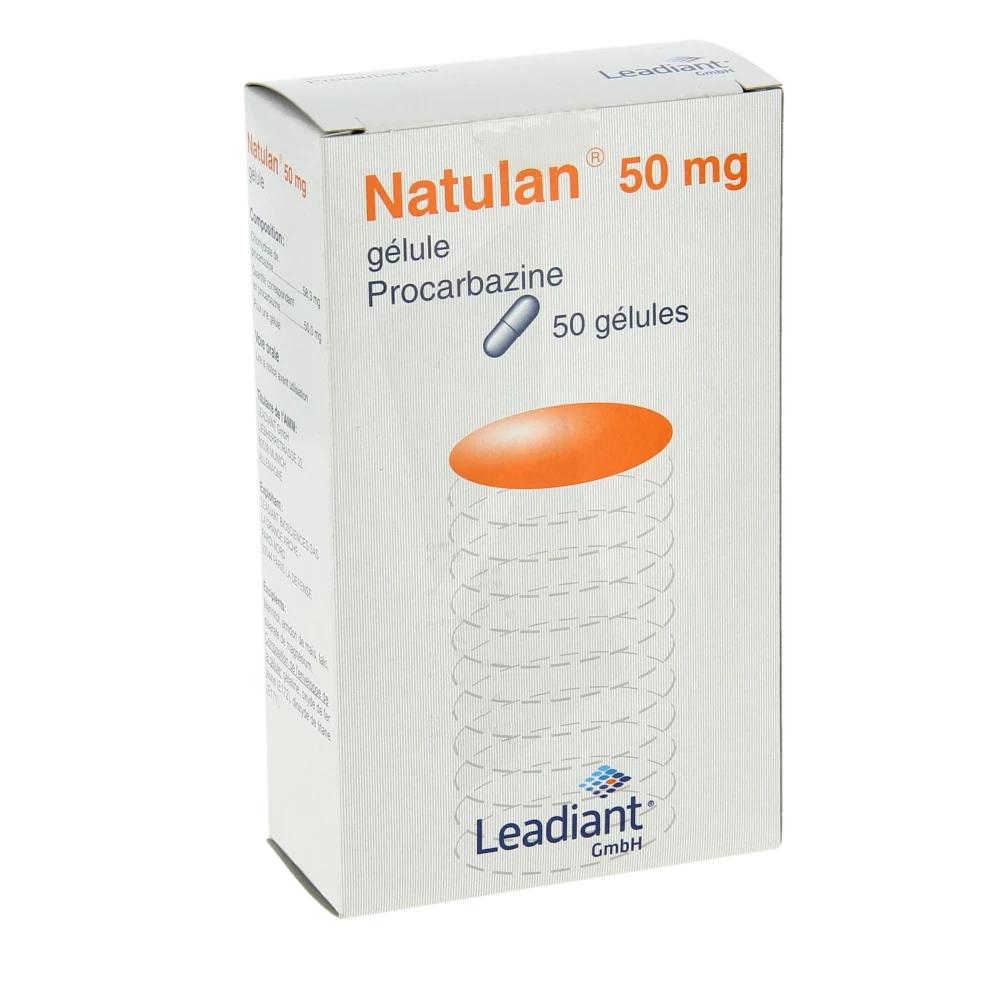
Procarbazine — oral chemotherapy for lymphoma and central nervous system tumors
What procarbazine is in simple patient language
This drug comes in capsule form. Taken at home, not in a clinic chair.
It rarely comes up as a standalone drug. It tends to appear inside a protocol \u2014 as one piece of a combination, usually in lymphoma or in selected CNS tumor regimens.
Home treatment feels informal. It is not. Blood checks still happen on schedule, interactions with other medications still matter, and alcohol and certain foods need to be discussed before the first capsule.
When it appears in a plan, there is a clinical reason behind it: diagnosis, stage, prior courses, current labs, organ function, and what the plan needs to accomplish at this stage. Not because a protocol has it listed.
How procarbazine works
This drug gets into cell division and breaks it. Tumor tissue loses its ability to keep reproducing normally and becomes more exposed to treatment.
Healthy cells get hit too. White cell counts fall, nausea arrives, fatigue builds, mucosa reacts, drowsiness can set in. Lab results often move before the patient feels anything. Regular blood monitoring is the only way to catch that early.
Procarbazine also does not work in isolation. The other drugs in the protocol, the dosing schedule, how side effects are managed, and how quickly the team can be reached when something feels wrong — all of that is part of the same plan.
Which conditions may be treated with procarbazine
Procarbazine is not used across all oncology. It fits specific situations where a defined protocol already exists.
- Hodgkin lymphoma within combination regimens
- selected non-Hodgkin lymphomas
- gliomas and other CNS tumors in specific protocols
- relapse after prior lines of therapy
- situations where systemic options need to be compared
Two patients with similar diagnoses can land on very different plans. One may need disease control, another tolerability, a third preparation for the next step. The diagnosis name does not decide the plan.
When procarbazine can be especially relevant
It tends to come up when it fills a defined role inside a considered protocol, not just as a name on a list:
- a combination regimen for lymphoma is being put together
- the PCV protocol for a CNS tumor is being discussed
- the disease returned after prior treatment
- expected benefit and tolerability need to be weighed
- a return to established protocols makes clinical sense
The question is not whether the drug fits a protocol on paper. It is whether it belongs in a reasonable plan for this particular patient.
What should be checked before treatment
An old discharge note is not enough. The doctor needs an up-to-date picture, especially if prior treatment was difficult to tolerate.
- exact diagnosis and biopsy result
- disease stage or extent of spread
- recent CT, MRI, or PET-CT
- full blood count
- liver and kidney function
- prior treatment history and how it was tolerated
- active infections, fever, or marked weakness
- all current medications
- potential interactions with alcohol, foods, or other drugs
One more thing to go through before starting: the home routine. Which days to take the capsules, what to do if a dose is missed, when to stop and call the doctor. With procarbazine, these details matter.
How treatment with procarbazine is usually given
Procarbazine is taken orally in cycles. The schedule depends on the diagnosis and the full protocol. Lymphoma looks different from a CNS tumor plan.
Taking it at home makes it easy to underestimate how much monitoring is needed. The doctor is not only looking at symptoms. Sometimes a patient feels manageable while the blood count is already signaling that a pause or change is needed.
- full blood count
- blood chemistry
- signs of infection
- nausea, appetite, weight
- skin reactions
- drowsiness, dizziness, or other neurological symptoms
- tolerance of the full regimen, not just procarbazine alone
The dose should not be self-adjusted. Fever, bleeding, marked weakness, severe nausea, or any unusual neurological symptom means contacting the doctor that day, not at the next visit.
What reactions can occur during treatment
How this drug lands varies from person to person. Some patients struggle most with the stomach. Others see blood count changes first. Skin or neurological reactions can also come up.
- nausea or vomiting
- reduced appetite
- fatigue
- drop in white cells, hemoglobin, or platelets
- higher infection risk
- mouth sores
- skin rash or itching
- liver marker changes
- dizziness, drowsiness, or unusual neurological feelings
- effects on fertility
One thing specific to procarbazine: interactions. The doctor may limit alcohol and ask about certain foods and medications. This is worth going through in full before the first capsule, not after a reaction.
When to contact the medical team without waiting
Call the same day if any of these appear:
- fever or chills
- unusual bruising or bleeding
- severe vomiting or inability to drink
- weakness that builds fast
- shortness of breath or chest pain
- significant rash, facial swelling
- confusion, seizures, or a bad headache
- yellowing of skin or eyes
- dark stool or blood in urine
Not every symptom is a serious complication. But during chemotherapy, fever, bleeding, and rapid worsening need to be reported early. Waiting costs time the team may need.
Why procarbazine does not suit every patient
A protocol name is not a prescription. Before starting, the doctor needs to know whether this particular patient can get through it and what job this drug is doing inside the plan.
Blood counts already down, fever present, other serious medical conditions, liver or kidney problems, pregnancy \u2014 any of these can make the drug unsafe to give at this point.
Right diagnosis, wrong moment. That happens. The doctor may cut the dose, switch the protocol entirely, wait until the patient stabilizes, or pick a different drug that fits better right now.
Can procarbazine be combined with other treatments
Yes, and it usually is. Procarbazine almost always works as part of a combination where each drug has a defined task.
But combining is not about adding more. The more complex the protocol, the closer the monitoring needs to be: blood, infections, nausea, neurological status, and overall tolerance.
Every medication the patient is already taking needs to be disclosed. For procarbazine, this is especially important. Interactions here can affect not just comfort but safety.
What it means when results are not immediate
With procarbazine, the picture does not always come into focus fast. Sometimes the first signal is in the blood count. Sometimes in imaging. Sometimes it is the trajectory of symptoms and how the full protocol is being tolerated.
In lymphoma, the team watches node changes and overall condition. In CNS tumors, the assessment is more complex — MRI findings, neurological symptoms, and side effects need to be read together.
One lab result or one scan is rarely the whole story. What matters is the direction: is the disease being held, still growing, or is the treatment becoming too heavy for the patient.
Oncology consultation in Israel
Tel Aviv Medical Clinic offers consultations for patients where procarbazine is part of the clinical question — whether a protocol has already been proposed or a second opinion is needed before starting.
A consultation can cover:
- diagnosis and disease stage
- biopsy results and pathology review
- current imaging
- prior treatment lines
- the reasoning behind the chosen protocol
- which labs are needed before the start
- what other treatment options can be compared
We do not prescribe remotely and do not replace the treating physician. We help patients and families understand the medical reasoning and be prepared for the next conversation with the oncologist.
Frequently asked questions — answered by Dr. Stefanska and Dr. Meerovich
- Does procarbazine only appear in Hodgkin lymphoma treatment?
Far from it. That is one setting where it shows up, but CNS tumors, other lymphoma subtypes, and relapse situations can all bring it into the conversation \u2014 each with a different clinical logic. I look at the full protocol, the pathology, prior treatment, and what this course is supposed to accomplish before drawing any conclusions.
- Why is procarbazine almost always given in combination?
Because on its own, it covers one part of the problem. Each drug in a protocol has a different mechanism and a different target. Together they can produce a more complete approach than any single drug. But I always look at whether the patient can carry the whole combination, not just procarbazine. If blood counts are already low or prior tolerance was poor, even the right protocol can become too much.
- Are there special restrictions during treatment?
Yes. Alcohol and certain foods and drugs can interact with procarbazine in ways that matter for safety. I ask patients to bring a full list of everything they take: blood pressure drugs, sleep aids, painkillers, allergy medication, mood drugs, supplements, anything regular. These details seem minor but with procarbazine they can change how safe the treatment is. Better to go through it all before the first capsule than after a reaction.
- What is the biggest risk during procarbazine treatment?
Blood count drops. A patient can still feel manageable while the risk of infection or bleeding is already climbing. That is why the blood count is not just a formality. It tells the doctor whether to continue, pause, or add support. I also watch closely for fever, bleeding, marked weakness, skin reactions, and anything neurological.
- Can the patient really manage this at home?
The capsules, yes. But managing at home does not mean managing alone. The patient needs to know the exact dose, which days to take it, what to do if a dose is missed, and exactly when to call the doctor. I always give a written plan because mistakes at home happen more than people expect. Continuing the drug during fever, bleeding, or severe weakness without contacting the team is the most common error.
- How long before you know if it is working?
That depends on the diagnosis and where procarbazine sits in the protocol. Sometimes imaging gives the answer. Sometimes blood trends. Sometimes symptom trajectory. I do not promise a clear picture after the first few days. The doctor usually assesses after a planned treatment phase. One good or bad day is not the full picture.
- What to do if fever appears?
Call right away. During chemotherapy, fever can signal infection when white cells are already down. Do not wait a day, do not start random antibiotics, do not continue the drug as normal. The team needs to know what the blood shows and whether neutropenia is involved. In that situation, acting early is what keeps a manageable problem from becoming a hospital admission.
Important information
This page contains general medical information only. It is not a treatment recommendation. Procarbazine may be considered only after reviewing the diagnosis, disease stage, prior therapy, blood counts, other medical conditions, and the patient’s overall condition.
Do not start, stop, or change any treatment without speaking to your treating physician first.
For a consultation about procarbazine:
📞 +972-73-374-6844
💬 WhatsApp: +972-52-337-3108