


 Contact Us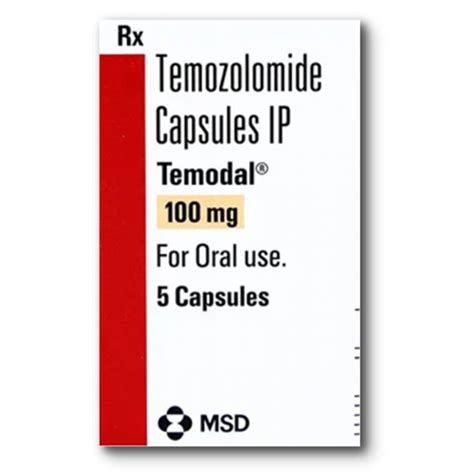
Temozolomide — oral chemotherapy for brain tumors
What temozolomide is in simple patient language
Most chemo goes through a vein. Temozolomide is different — it is a pill taken by mouth, usually at home.
A pill feels less serious than an IV. That impression is wrong. This is full chemotherapy, and the body goes through a real treatment load with it.
Brain tumors are its main area — glioblastoma above all. Many patients get radiation first, with this drug added on top. Once radiation wraps up, the pill continues in monthly cycles. Whether it keeps the disease in check varies from patient to patient.
Home treatment does not mean no oversight. Labs, scans, and clear instructions on when to call the doctor are all part of the plan.
How temozolomide works
To grow, a tumor cell must duplicate its DNA and split. Temozolomide puts damage into that DNA at a specific point. Many tumor cells have no way to undo that kind of damage. The cell gets stuck and cannot move forward.
Not every tumor reacts the same way. One marker doctors look at is called MGMT. When it is switched off in the tumor, that tumor often handles the drug less well — which is actually good for the patient. MGMT is worth checking, but it is one piece of data, not a final verdict.
MGMT is one piece of data. Tumor grade, what surgery found, the MRI picture, and overall patient condition all go into the same conversation.
Which conditions may be treated with temozolomide
Most often it comes up for brain tumors where systemic treatment is needed alongside or after local therapy. Relevant situations include:
- glioblastoma
- anaplastic astrocytoma
- other high-grade gliomas in selected cases
- tumor recurrence after prior treatment
- rare individual situations where the drug fits a specific plan
The diagnosis alone does not decide. Two patients with the same tumor name can end up on different paths depending on molecular data, surgical outcome, and where they are in treatment.
When temozolomide can be especially relevant
Doctors tend to reach for temozolomide when they need something that works throughout the brain and is tolerable enough to keep going over many cycles. It comes up when:
- surgery for glioblastoma has been done and the next phase needs to be planned
- radiation is scheduled and the question is whether to add a sensitizing drug
- the tumor has returned and systemic options are being looked at again
- molecular data points toward a drug that targets DNA repair
- several treatment options are on the table and tolerability is a factor
The job matters more than the name. Is it being used to reinforce radiation? Delay regrowth? Manage a relapse? Each of those calls for a different conversation about risk and monitoring.
What should be checked before treatment
A fresh discharge summary is not enough. The oncologist needs a real clinical picture before the first capsule.
- surgery or biopsy report with full pathology
- tumor type and grade
- recent MRI with radiologist description
- MGMT status when available
- IDH status and other molecular findings
- full blood count
- liver and kidney markers
- prior chemotherapy and radiation
- seizure history, current antiepileptics, steroids, and other medications
- infections, significant weight loss, or other active problems
One missing result can shift the plan entirely. Patients sometimes arrive focused on one drug, and after looking at the MRI and molecular profile together, the picture calls for something different.
How treatment with temozolomide is usually given
Capsules, taken by mouth, in cycles. The exact schedule depends on what stage of treatment this is and whether it runs with radiation or follows it.
Blood monitoring runs throughout. Count drops can creep up slowly and look fine for a while before turning into a real problem.
- full blood count
- platelets, neutrophils, lymphocytes
- liver markers
- nausea, appetite, weight, and how the capsules are sitting
- temperature and infection signs
- neurological symptoms
- MRI at scheduled intervals
Some patients go through cycles without much trouble. Others need a pause, a dose reduction, or extra support. A schedule adjustment is not a failure. Often it is the monitoring working correctly.
Possible side effects
Capsules feel less medical than an IV drip. The side effects do not care about that.
- nausea or vomiting
- appetite loss
- tiredness
- constipation or stomach discomfort
- headache
- feeling generally worse during a cycle
- low white cells, neutrophils, or platelets
- higher risk of infection
- skin rash
- liver marker changes
Fever, bruising, sharp weakness, and any new neurological symptom need prompt reporting. Do not wait for these to get worse before calling.
When to contact a doctor urgently
Call the same day if any of these appear:
- fever or chills
- unusual bruising, bleeding gums, blood in urine or stool
- vomiting that keeps returning or makes drinking impossible
- weakness that builds quickly
- new seizures or seizures becoming more frequent
- severe headache, confusion, speech or vision problems
- shortness of breath
- serious rash, swelling of the face, or breathing difficulty
- yellowing of skin or eyes
Some of these may not be the drug. During brain tumor treatment, it is not safe to guess. Calling early gives the team a chance to act while the problem is still manageable.
Why temozolomide is not right for every patient
Even with a glioblastoma diagnosis, the doctor may choose something else. Tumor biology, past treatment, and the patient’s current condition all weigh in.
- exact diagnosis and tumor grade
- what the surgery achieved
- MGMT and other molecular markers
- how fast the tumor is growing
- platelet and white cell levels
- how prior treatment was tolerated
- active infections or other medical problems
- current treatment goal: post-surgical control, post-radiation maintenance, or relapse management
Sometimes a different drug fits better. Sometimes reviewing the imaging or getting a second read on the pathology changes the plan. There is no single automatic answer here.
Can temozolomide be combined with other treatments
Yes, and it often is. The most common scenario is pairing it with radiation for certain brain tumors. The doctor may also discuss:
- maintenance cycles after radiation finishes
- anti-nausea medication
- seizure management drugs
- steroids to reduce brain swelling
- post-surgical monitoring schedule
- other systemic options at relapse
- clinical trials where available
Every addition to the plan needs a reason. Combinations are not stronger by default. What matters is whether each piece serves a clear purpose for this patient at this point in treatment.
What no quick response can mean
Brain tumor imaging after treatment is often hard to read. MRI can look ambiguous weeks after surgery or radiation. What looks like growth sometimes turns out to be treatment-related change. What looks stable sometimes is not.
The doctor watches more than one scan. Neurological function, steroid doses, symptom trajectory, lab trends, and how the scans compare across time all go into the picture.
Patients often ask after the first scan whether it worked. One image is rarely enough to answer that.
Oncology consultation in Israel
Tel Aviv Medical Clinic offers oncology consultations for patients where temozolomide is part of the picture. Most useful when the diagnosis involves a brain tumor and the plan needs a closer look.
A consultation may help when:
- the surgical or biopsy findings need specialist review
- MRI scans from different time points need to be compared and interpreted
- MGMT, IDH, or other molecular results are not clear
- the proposed regimen needs to be weighed against other options
- a second opinion on the treatment plan is needed
- the path forward after relapse is uncertain
- questions need to be organized before the next appointment with the treating oncologist
We do not prescribe remotely and do not replace the treating physician. We help patients and families understand what is on the table and go into the next medical conversation better prepared.
Frequently asked questions — answered by Dr. Stefanska and Dr. Meerovich
- Is temozolomide chemotherapy or something else?
It is chemotherapy. The capsule format misleads some patients into thinking it is a softer option. What I track is the same regardless of format: how the blood counts move, what symptoms appear during the cycle, and what the MRI looks like over time. The delivery route is a practical detail, not a guide to how hard the treatment is.
- Does MGMT testing always have to happen first?
In gliomas, MGMT gives useful information. But I never make a decision based on one marker alone. Tumor grade, age, surgical outcome, the clinical picture, the MRI — all of it goes in together. Sometimes MGMT tips the balance. Sometimes it lines up with everything else the data already shows.
- How long until you know whether it is working?
Several cycles need to pass before there is anything meaningful to look at. Even then, brain tumor MRI is not always easy to read. I look at more than the lesion size. I look beyond the lesion size. Neurological status, steroid dose changes, how the patient reports feeling day to day, and comparing scans across several months together give a more honest read than any single image.
- Can the patient really manage this treatment at home?
The capsules, yes. Everything else still requires structure. Taking capsules at home is manageable. But structure matters. Blood draws on the right days, anti-nausea medication before nausea hits, clarity on what to do with a missed dose, and a short list of symptoms that mean call now rather than wait. When those things are organised, home treatment goes smoothly.
- Why is blood testing so important with this drug?
Temozolomide can push blood counts down gradually. A patient can feel acceptable while the numbers are already in a risky range. Without regular testing, there is no early warning. Testing is what gives the team time to adjust before a low count turns into an infection or a bleeding problem.
- What to do when nausea gets bad?
Tell the doctor. Nausea with this drug is common, but it responds well to anti-nausea medication when that support is set up early. If vomiting keeps returning and the patient cannot drink properly, or weakness is climbing, that needs a call the same day. Sometimes what looks like drug side effects turns out to have another cause that needs to be found.
- Should treatment continue when blood results look poor?
Sometimes the cycle pauses. That is a planned safety measure, not a sign the plan has broken down. When platelets or neutrophils drop below a safe threshold, the first priority is protecting the patient. Going ahead regardless is not the right call. A timely pause is what keeps the overall plan intact.
Important information
This page contains general medical information. It is not a personal treatment plan. Temozolomide is considered only after reviewing the diagnosis, MRI, pathology, molecular data, blood counts, and the patient’s overall clinical status.
Do not start, stop, or change any treatment without speaking to your treating physician.
For a consultation about temozolomide:
📞 +972-73-374-6844
💬 WhatsApp: +972-52-337-3108