


 Contact Us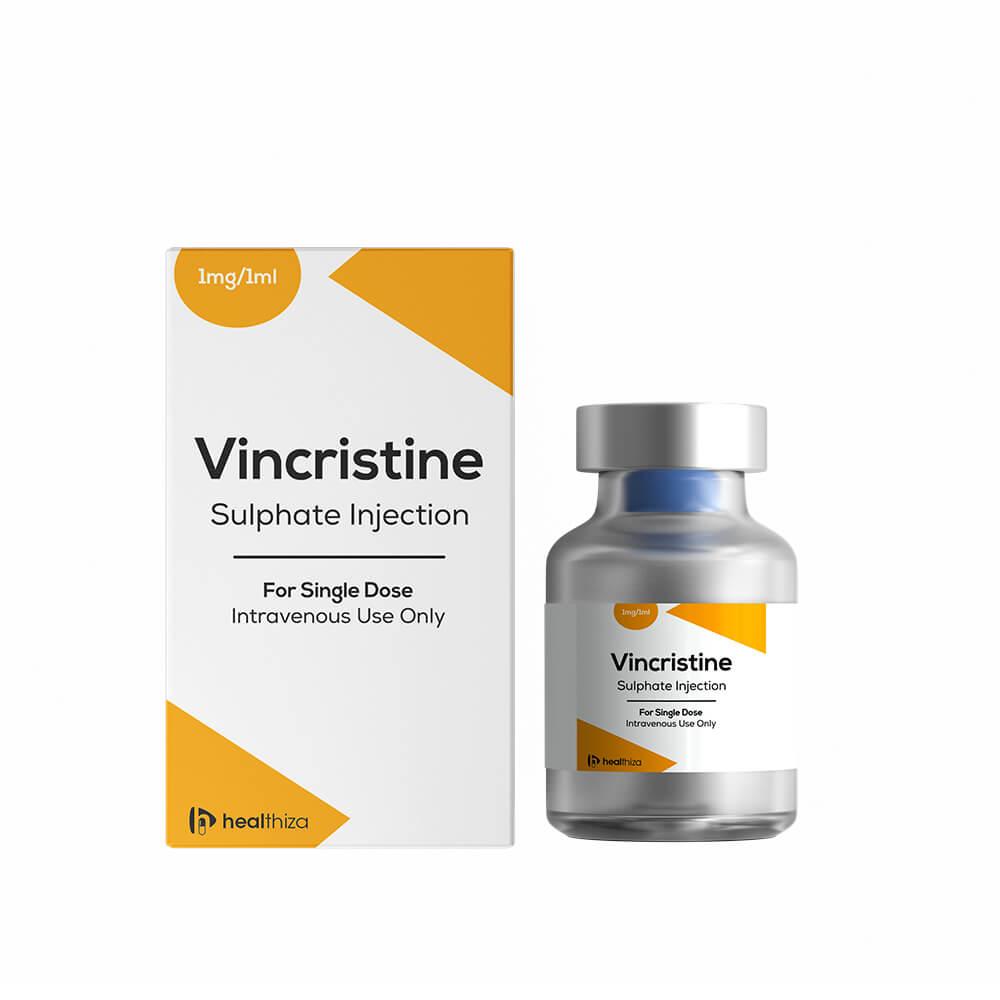
Vincristine — chemotherapy for leukemia, lymphoma, and selected tumors
What vincristine is in simple patient language
Vincristine is a vinca alkaloid. Goes in by drip, almost always alongside other drugs.
Not added to intensify a plan. It has a job: stop tumor cells from dividing and support what the rest of the combination does.
Before any course starts, the doctor needs more than a diagnosis. Age, stage, prior treatment, liver function, and whether there is already any numbness, weak legs, or bad constipation — all of it feeds into the decision.
How vincristine works
Cell division requires specific internal structures to move in the right order. Vincristine breaks that sequence. The cell cannot get through the split.
In tumor cells this can be meaningful, especially inside a well-chosen protocol. The known cost: nerves and bowel tend to take the hit more than blood counts.
Labs alone do not tell the full story here. Tingling in fingers, foot weakness, walking changes, pain, worsening constipation — these need to go to the doctor early. Not at the next routine visit.
Which conditions may be treated with vincristine
Vincristine shows up in oncology and hematology protocols built from multiple drugs:
- acute lymphoblastic leukemia
- Hodgkin and non-Hodgkin lymphomas
- certain pediatric tumors
- selected sarcomas and embryonal tumors
- situations where the drug is already assigned a role in the chosen protocol
Same diagnosis, different patients — different plans. Stage, age, prior therapy, and the goal of this specific course all shift what gets used.
When vincristine can be especially relevant
Usually when a protocol has already assigned it a role and the clinical picture supports it:
- a multi-drug regimen is being put together
- systemic treatment is needed beyond surgery or radiation
- several drugs are required to address the disease from different angles
- after a prior phase the approach needs to be reconsidered
- dosing needs careful calibration around nerve and liver status
The question is not whether vincristine can be slotted in. It is whether it earns its place in this plan without pushing the risk above what the patient can carry.
What should be checked before treatment
A discharge note is not enough. For this drug, details patients often consider minor can be the most important.
- exact diagnosis and tumor type
- disease stage and spread
- biopsy and prior investigation results
- full blood count
- liver markers
- any existing numbness, tingling, weakness, or pain before treatment starts
- bowel habits and constipation history
- all current medications
- how prior chemotherapy courses were tolerated
Pre-existing neuropathy, elevated liver values, bad constipation, or a rough prior course can each change the dose, the start date, or the whole plan.
How treatment with vincristine is usually given
IV only. Not into the spinal canal — this distinction matters.
Part of a protocol, not a solo treatment. The same period may include steroids, other drugs, anti-nausea support, and blood draws.
The team watches condition, blood results, liver values, finger sensation, leg strength, pain, bowel movement, and overall protocol tolerance. Worsening numbness or severe constipation can lead to a dose reduction, a delay, or a pause.
Before each infusion: share the full medication list. Prescriptions, supplements, vitamins, anything. Some combinations raise vincristine toxicity, and finding that out before the course beats finding it out after.
What reactions can occur during treatment
Blood counts often hold better than with some other chemotherapy drugs. The nervous system and gut take more of the impact.
- numbness, tingling, or pain in fingers and toes
- muscle weakness or changes in how the patient walks
- constipation, bloating, stomach pain
- nausea or poor appetite
- fatigue
- jaw, back, or muscle pain
- hair loss
- sleep or mood changes from the broader protocol
- rarely — significant neurological complications
These symptoms should not be waited out. With this drug, nerve effects build slowly. Light tingling can progress over weeks into trouble walking or holding objects. Early reporting gives the team room to act.
When to reach the medical team without waiting
Call the same day if any of these appear:
- constipation that is getting worse
- stomach pain, bloating, or no bowel movement
- numbness that is spreading or intensifying
- weakness in hands or legs
- difficulty walking
- strong jaw, back, or limb pain
- fever
- a sharp drop in overall condition
- confusion or any new neurological symptom
Do not hold these until a scheduled visit if they are new, strong, or building. Even if vincristine turns out not to be behind it, the team needs to know.
Why vincristine does not suit every patient
Common in protocols does not mean safe for everyone.
- significant existing neuropathy
- serious liver problems
- poor tolerance of prior treatment
- severe constipation or high bowel complication risk
- drug interactions
- poor general condition
Sometimes the drug stays in unchanged. Sometimes the dose gets cut or the date moved. Sometimes a different path makes more sense. All of that is safety, not giving up on treatment.
Can vincristine be combined with other treatments
Yes, and that is almost always how it is used. Each drug in the combination has a defined task.
Adding more is not the goal. The protocol needs logic: what is being treated, which stage, what came before, what the patient can carry.
All medications need to be disclosed before starting — prescriptions, supplements, vitamins, pain drugs, sleep aids, antifungals, anything. With vincristine, interactions can affect safety, not just comfort.
What it means when results are not immediate
Vincristine-based protocols rarely show their hand after one infusion. Blood, bone marrow, imaging, or symptoms may need several phases before a real picture forms.
Waiting during active treatment is hard. The doctor is not reading one day or one complaint. Blood trends, disease pace, treatment tolerance, and scheduled investigations all go in together.
Sometimes the meaningful result is not full remission. Stopping the disease from advancing while staying on the plan can itself be progress.
Oncology consultation in Israel
Tel Aviv Medical Clinic offers consultations where vincristine is part of the clinical question — including neuropathy risk, protocol logic, and pre-treatment review.
A consultation may help when:
- the diagnosis and proposed protocol need specialist review
- the reason vincristine is in the plan is not clear
- neuropathy and bowel risk need to be assessed before starting
- a second opinion on the treatment plan is needed
- several treatment options need to be compared
- questions need to be prepared for the treating oncologist
We do not prescribe remotely and do not replace the treating physician. We help patients and families understand the clinical reasoning and go into the next conversation prepared.
Frequently asked questions — answered by Dr. Stefanska and Dr. Meerovich
- Is vincristine strong chemotherapy?
It is a real anti-tumor drug. But strong or weak is not how I think about it. The dose, its role inside the protocol, and what sits alongside it matter far more than any label. One patient moves through vincristine as a routine protocol step. Another needs very careful handling because of existing nerve or liver issues. I start with the specific diagnosis, the patient in front of me, and what this course is actually trying to do.
- Why do doctors ask about hand and foot numbness?
This drug affects peripheral nerves. It can begin with something barely noticeable — slight tingling, fingers that feel different, a small change in the way someone walks. Patients often put it down to nothing significant. For me it is a signal worth taking seriously. Reported early, dose or timing can often be adjusted while options still exist. Reported late, after real weakness has set in, the room to maneuver shrinks.
- Can treatment continue when constipation appears?
In some cases yes, but it must be reported, not quietly managed at home. The gut can react seriously with this drug. Delay stretching out, pain appearing, bloating worsening — these need a call the same day. Addressing it early with the right support is far simpler than having to pause or stop treatment because things went past a manageable point.
- What makes vincristine different from other chemotherapy?
Each drug has its own mechanism and its own risk pattern. Some push blood counts down hard. Others hit mucosa or cardiac tissue. With vincristine, the main concerns sit in the nervous system and the gut. Lab values matter, but what the patient reports can shift a clinical decision just as much as any number on a results page.
- Why is vincristine almost always given in combinations?
Because in most of the diseases it is used for, a single drug does not cover the full task. A combination can approach the disease from multiple angles at once. But adding drugs is not arithmetic. A good protocol has a rationale: what is being treated, what stage this is, what risks are present, and what the patient can realistically get through. That logic is worth asking the treating doctor to explain clearly.
- Does liver disease affect the dose?
Sometimes yes. The liver is involved in clearing the drug from the body. Elevated bilirubin, known liver conditions, or new liver-related symptoms all feed into the dose decision. Do not adjust the dose on your own. But if there is a known liver problem or new symptoms have appeared, raise it before the infusion, not after.
- What to bring to a consultation about vincristine?
The diagnosis summary, pathology report, recent blood results, CT or MRI scans, a written list of all prior treatment, and notes on any side effects from past courses. Neurological symptoms deserve their own separate list: tingling, pain, weakness, walking changes, bowel issues. These specifics can shift what gets recommended. A consultation with clear documents is a different conversation from one without them.
Important information
This page contains general medical information only. It is not a treatment recommendation. Vincristine may be considered only after reviewing the diagnosis, disease stage, investigation results, prior therapy, and the patient’s overall condition.
Do not start, stop, or change any treatment without speaking to your treating physician first.
For a consultation about vincristine:
📞 +972-73-374-6844
💬 WhatsApp: +972-52-337-3108