


 Contact Us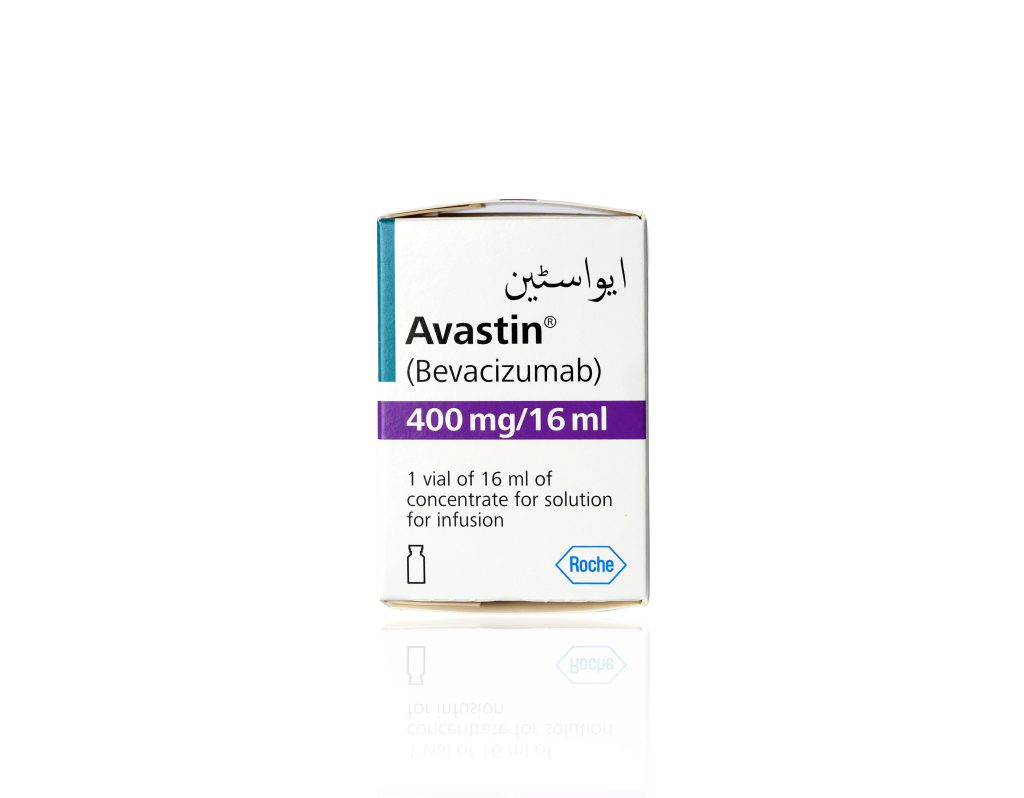
Atezolizumab + Bevacizumab — combined immunotherapy and anti-angiogenic treatment for liver cancer
What is atezolizumab + bevacizumab in simple words
Atezolizumab + bevacizumab — two drugs used together for liver cancer that cannot be surgically removed.
They work through different mechanisms. One removes a suppressive signal the tumour uses to hide from immune cells. The other cuts off the blood supply the tumour relies on to grow. Running both at the same time addresses two different aspects of how the cancer sustains itself.
Before this combination existed, the main systemic option in this setting was a drug that had held that position for over a decade. Clinical data showed this combination changed that — survival outcomes improved meaningfully. That shifted how advanced liver cancer is approached.
But this is not the right treatment for every patient with liver cancer. The liver is almost always diseased in these patients — cirrhosis is common — and how well it is functioning shapes whether the combination can be used safely.
How this combination works
Atezolizumab is an immunotherapy drug. It blocks a surface protein that tumours use to switch off immune cells. Once that protein is blocked, immune cells can recognise and start responding to the cancer.
Bevacizumab targets a different mechanism entirely. It blocks a growth factor that tumours need to build new blood vessels. Without that blood supply, the tumour has less capacity to expand.
Together, the two approaches attack the cancer from different directions. The immunotherapy activates the body’s defences. The anti-angiogenic drug starves the tumour of the resources it needs to grow. Whether that combination produces a meaningful response in a specific patient depends on how well the liver is functioning, what stage the disease is at, and what the patient can tolerate.
What conditions this combination is used for
Atezolizumab and bevacizumab are used together as a first-line treatment in:
- liver cancer that cannot be surgically removed — primary hepatocellular carcinoma;
- advanced liver cancer where local treatments are no longer effective;
- patients with adequate liver reserve — compensated cirrhosis.
This combination displaced the previous standard treatment in this cancer after clinical trial data showed a survival benefit that held up on longer follow-up. For oncologists who had managed this disease for years with limited systemic options, that was significant.
The key word in the eligibility is liver reserve. Most patients with primary liver cancer have underlying cirrhosis — the liver is already damaged. How compensated that damage is determines whether bevacizumab is safe to give. Patients with poor liver function face much higher risk from this combination and less likelihood of meaningful benefit.
When this combination may be especially relevant
It comes into discussion when:
- liver cancer has grown beyond what ablation, embolisation or radiation can control;
- the cancer has spread within the liver or to other sites;
- the patient’s liver is still functioning reasonably well — Child-Pugh A classification;
- there are no contraindications to the bevacizumab component;
- the patient has not received prior systemic treatment for this cancer.
The liver function assessment is not a formality. Child-Pugh B and C patients — meaning more decompensated cirrhosis — face substantially higher risk from this combination and weaker evidence of meaningful benefit. I always review the Child-Pugh score, platelet count and coagulation parameters before discussing this regimen.
There is also the question of varices. Bevacizumab affects blood vessel integrity, and patients with liver cirrhosis often have dilated veins in the oesophagus. A bleed from those veins on bevacizumab can be serious and is largely preventable — but only if the assessment happens before treatment starts.
What needs to be checked before starting treatment
Before this combination is considered, the oncologist will typically review:
- liver function — Child-Pugh score, bilirubin, albumin, INR;
- endoscopy to assess oesophageal varices before bevacizumab;
- disease stage and extent within and outside the liver;
- imaging — CT or MRI of the liver and surrounding structures;
- AFP level — a blood marker used to track liver cancer;
- cardiovascular status — bevacizumab affects blood pressure and vessel integrity;
- kidney function;
- autoimmune history;
- performance status.
The endoscopy point is one I emphasise to every patient before this regimen starts. It is not optional. Varices that bleed on bevacizumab represent a preventable crisis — but only if they are identified and managed before the first infusion. This step happens before treatment, not during it.
How treatment is carried out
Both drugs are given intravenously. Atezolizumab is administered once every three weeks. Bevacizumab follows on the same schedule. Treatment continues as long as the cancer remains controlled and the patient can tolerate it.
Monitoring during treatment includes:
- liver function tests — closely tracked throughout;
- AFP level to assess treatment response;
- blood pressure at every visit — bevacizumab can raise it significantly;
- urine protein — bevacizumab affects kidney filtration over time;
- thyroid function at set intervals;
- imaging every six to eight weeks to assess response;
- signs of immune-related reactions from atezolizumab.
Blood pressure needs active management on this regimen. Bevacizumab can raise it substantially — sometimes requiring medication to control it. Patients who monitor their blood pressure at home and report changes early are in a significantly better position than those who only have it checked at clinic visits. I ask every patient to get a home monitor before starting.
Possible side effects
Side effects can come from both components:
- high blood pressure — from bevacizumab;
- protein in the urine — bevacizumab affecting the kidneys;
- increased bleeding tendency;
- impaired wound healing;
- fatigue;
- nausea and reduced appetite;
- immune-related reactions — skin rash, thyroid changes, liver enzyme elevation;
- lung inflammation;
- diarrhoea;
- rarely — serious cardiac or neurological involvement.
Two overlapping toxicity profiles require two separate monitoring conversations. I go through the bevacizumab risks separately from the atezolizumab risks — not as a combined list. They are managed differently. A patient who understands what to watch for from each drug is much better equipped to report problems early.
When to contact a doctor urgently
Contact your doctor without delay if any of the following develop:
- a significant rise in blood pressure;
- worsening shortness of breath;
- chest pain;
- any unusual bleeding — including from the gums or nose;
- blood in the urine;
- blood vomited or appearing in the stool;
- yellowing of the skin or eyes worsening beyond baseline;
- new or increasing abdominal swelling;
- confusion or rapidly increasing weakness;
- sudden significant deterioration.
Bleeding is the side effect I am most vigilant about in this population. Patients with cirrhosis and varices have pre-existing vulnerability. Any sign of bleeding requires same-day assessment. Not monitoring. Assessment.
Why this combination is not right for everyone
What affects whether this is the appropriate approach:
- poor liver function — Child-Pugh B or C;
- untreated oesophageal varices — bevacizumab cannot start safely until these are addressed;
- significant cardiovascular disease;
- active severe autoimmune disease;
- prior organ transplant;
- poor performance status;
- significant kidney disease.
For patients where bevacizumab carries too much risk, an alternative exists. A different combination — using the same immunotherapy drug alongside a separate immune-activating agent rather than bevacizumab — has shown survival outcomes broadly comparable to this regimen in clinical data. That option is worth discussing when cardiovascular or vascular concerns make bevacizumab unsuitable.
Can this combination be modified
In some situations, bevacizumab is held temporarily — for example around the time of any procedure, or if blood pressure becomes difficult to manage. Whether atezolizumab can continue during a bevacizumab interruption depends on the reason for the pause and the clinical situation.
These decisions are made individually. There is no standard protocol for every scenario — it is worked out based on what is happening clinically at that point.
What ‘no quick response’ means
In liver cancer, response is assessed through imaging alongside AFP level trends. AFP can shift before scan changes become visible — a falling AFP after the first cycle is meaningful even when imaging looks unchanged.
Early scans can be misleading. Inflammatory activity within the tumour can look like growth before shrinkage becomes apparent. I review imaging together with AFP trends, symptoms and how the patient is actually feeling. One result at eight weeks is a starting point, not a conclusion.
Oncology consultation for atezolizumab + bevacizumab in Israel
At Tel Aviv Medical Clinic in Israel, consultations are available on the combination of atezolizumab and bevacizumab for liver cancer. Oncologists at the clinic follow ESMO and NCCN guidelines and regularly manage patients with this regimen — including the liver function assessments, variceal evaluation and cardiovascular monitoring it requires. Experience with this combination includes patients with varying degrees of underlying liver disease and those for whom the alternative regimen is more appropriate.
In Tel Aviv Medical Clinic, you can discuss:
- whether your liver function supports this combination;
- variceal assessment before starting bevacizumab;
- atezolizumab plus bevacizumab versus the alternative combination regimen;
- blood pressure and cardiovascular management during treatment;
- second opinion on a proposed treatment plan;
- treatment options available in Israel and internationally.
Sometimes the most important question before starting treatment is not which drug to use — but whether the liver can tolerate any systemic treatment at all right now.
Frequently Asked Questions — Dr. Stefanskoy
- Why is liver function so critical before starting this combination?
Because both drugs put additional strain on a liver that is already compromised in most patients with this cancer. Cirrhosis is extremely common in the background — and how compensated that cirrhosis is determines whether treatment is safe to give.
Patients with well-compensated liver disease generally tolerate this combination. Those with more advanced liver failure face significantly higher risk and are unlikely to benefit sufficiently to justify it. The Child-Pugh classification captures this. It is not a bureaucratic tool — it is genuinely informative about who can handle this treatment.
- Why does an endoscopy need to happen before starting?
Bevacizumab affects blood vessel integrity. Patients with cirrhosis often have dilated veins in the oesophagus — varices — that are at risk of bleeding. Bevacizumab can increase that risk.
If varices are present and untreated, starting bevacizumab is not safe. An endoscopy identifies them. If they are found, they can be treated first. That sequence — assess, treat if needed, then start bevacizumab — prevents a serious and largely avoidable complication. I do not start this regimen without it.
- How does blood pressure change on this combination?
Bevacizumab can raise blood pressure significantly — sometimes substantially above baseline. For patients who already had some degree of hypertension, this requires more active management.
I ask every patient starting this regimen to get a home blood pressure monitor before the first infusion. Regular monitoring between clinic visits gives a much clearer picture than a single reading at each appointment. If pressure rises significantly, medication may need adjustment. Catching that early makes it manageable.
- How is AFP used to track treatment response?
AFP is a protein produced by liver cancer cells. When treatment is working, AFP levels often fall before scan changes become clearly visible. A meaningful decline after the first or second cycle can be an early signal that the combination is having an effect.
I track AFP alongside imaging rather than instead of it. Neither alone gives the full picture. A falling AFP with stable imaging is reassuring. A rising AFP despite stable imaging is worth investigating more carefully. Both pieces of information matter.
- Is there an alternative if bevacizumab is not safe to use?
Yes. A different combination pairs the same immunotherapy drug with a separate immune-activating agent — one that does not carry the blood pressure and vascular risks of bevacizumab. Clinical data showed comparable survival outcomes in patients with liver cancer compared to the previous standard treatment.
This alternative is particularly worth discussing for patients with cardiovascular concerns, those with varices that cannot be adequately treated, or anyone where the vascular effects of bevacizumab present an unacceptable risk. It is a real option — not a fallback.
- How long does treatment continue?
Treatment continues as long as the cancer remains controlled and the patient can tolerate the regimen. There is no fixed stopping point written into the protocol.
What drives the decision to stop is either disease progression — the cancer starts growing again despite treatment — or side effects that cannot be managed adequately. In the absence of either, treatment continues with regular reassessment. Duration varies considerably between patients.
- What comes next if the combination stops working?
That depends on what has already been tried, what the liver function looks like at that point, and what the patient can tolerate. Second-line systemic options exist for liver cancer, though the choices narrow once a first-line combination has been used.
Clinical trials are worth discussing in this setting. Given the pace of development in liver cancer treatment over the last several years, trial access can be genuinely meaningful — not just a theoretical option. I raise this proactively rather than waiting until standard options are exhausted.
Important information
Atezolizumab combined with bevacizumab is considered only after a full assessment of liver function, cardiovascular status, variceal risk, disease stage and overall patient condition.
Do not start, stop or change treatment without consulting your treating physician.
For a consultation in Israel:
📞 +972-73-374-6844
📧 [email protected]
💬 WhatsApp: +972-52-337-3108