


 Contact Us
Brentuximab vedotin (Adcetris) — anti-CD30 therapy for Hodgkin and CD30-positive lymphomas in Israel
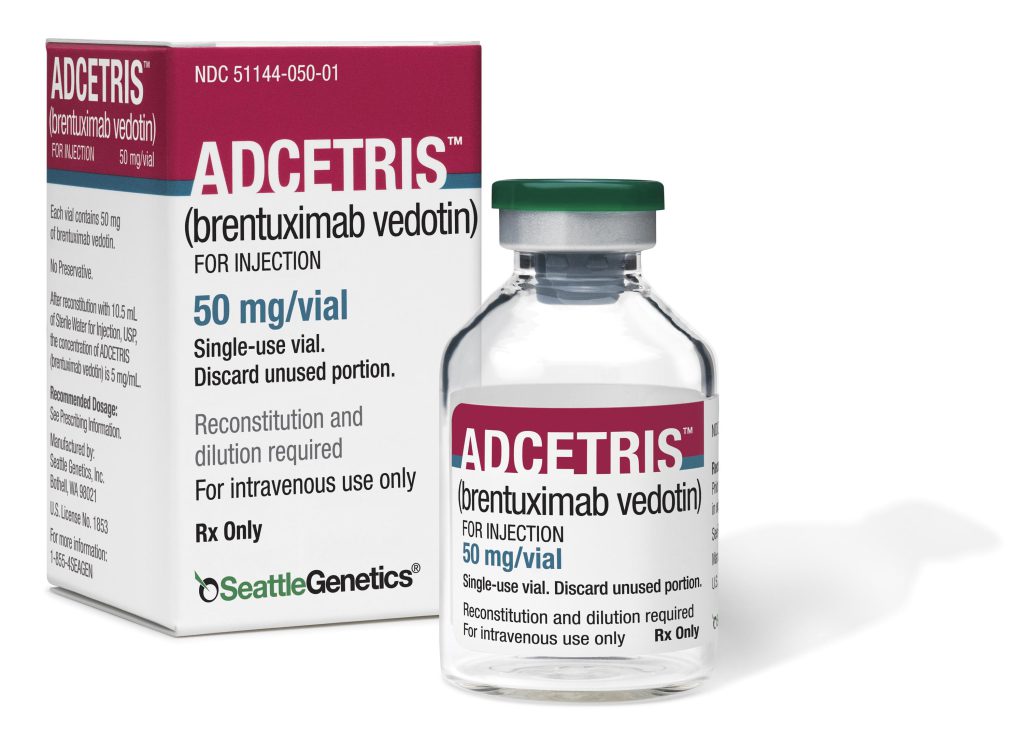
Brentuximab vedotin (Adcetris) — targeted treatment in lymphoma
What is brentuximab vedotin (Adcetris) in simple words
Brentuximab vedotin, often known by the brand name Adcetris, is not ordinary chemotherapy. It is a targeted drug made for cancers that carry a marker called CD30.
Think of it as a guided delivery system. One part of the medicine recognises CD30. Another part carries a strong cell-killing payload. The idea is to bring treatment closer to the lymphoma cell instead of sending the same force through the whole body.
That does not make it light treatment. It can work well in the right setting, but the decision depends on the exact lymphoma, previous therapy and how the patient is holding up now.
How brentuximab vedotin works
CD30 is a surface marker found on several lymphoma cells. Brentuximab vedotin attaches to that marker. Once the drug is taken inside the cell, its payload is released and disrupts the machinery the cell needs to divide.
The useful part is the targeting. The difficult part is that the payload can still affect normal tissues, especially nerves and blood cells. That is why this treatment is watched closely, even when the plan looks straightforward on paper.
Before I think about Adcetris, I want to know one thing clearly: is CD30 truly part of this tumour story, or are we just hoping it is? That answer comes from pathology, not from guessing.
What conditions brentuximab vedotin is used for
Brentuximab vedotin is usually discussed when lymphoma cells show CD30. The list often includes:
- Hodgkin lymphoma;
- systemic ALCL;
- peripheral T-cell lymphoma;
- skin ALCL;
- mycosis fungoides with CD30;
- selected B-cell lymphoma cases.
The name of the disease is not enough. Two patients can both have Hodgkin lymphoma and still need very different plans. Stage, prior therapy, transplant history and nerve symptoms can change the answer quickly.
When brentuximab vedotin may be especially relevant
Adcetris tends to enter the conversation when CD30 is proven and the treatment question is specific, for example:
- newly diagnosed advanced Hodgkin lymphoma;
- Hodgkin lymphoma after relapse;
- higher relapse risk after stem cell transplant;
- T-cell lymphoma needing systemic therapy;
- skin lymphoma after earlier treatment;
- disease that returned after several lines.
I would not use it simply because it sounds targeted. In lymphoma, the best drug is often the one that fits the moment: first treatment, relapse, bridge to transplant, or control after transplant. Those are different clinical problems.
What needs to be checked before starting treatment
Before treatment is planned, the oncologist usually needs a clean clinical picture:
- pathology report with CD30 staining;
- exact lymphoma subtype;
- current PET-CT or CT findings;
- previous treatment list;
- stem cell transplant history;
- blood counts;
- liver and kidney function;
- nerve symptoms in hands or feet;
- infection risk;
- all current medicines.
The nerve question deserves attention. Tingling, numbness or burning pain before treatment may look minor to the patient. For this drug, it matters. If neuropathy is already present, the dose, timing or even the whole plan may need a second look.
How treatment is carried out
Brentuximab vedotin is given by intravenous infusion. The schedule depends on the diagnosis and whether it is used alone or with other medicines.
During treatment, the team follows several things closely:
- blood counts;
- liver tests;
- temperature and infection signs;
- numbness or tingling;
- skin changes;
- PET-CT response;
- general strength and weight.
Some patients move through treatment without much drama. Others need delays or dose changes because the nerves or blood counts start to complain. That is not failure. It is how this drug is managed safely.
Possible side effects
The side effect pattern is different from many classic regimens. The main concern I discuss early is nerve irritation. It may start quietly: a strange feeling in the toes, fingers that feel clumsy, trouble buttoning a shirt.
Possible side effects include:
- peripheral neuropathy;
- low white blood cells;
- tiredness;
- nausea;
- diarrhoea or constipation;
- fever;
- rash or itching;
- higher liver enzymes;
- infusion reaction;
- infections.
There are rare risks that are more serious, including severe infection and unusual neurological problems. They are uncommon, but they are the reason patients should not “wait and see” when a new symptom feels wrong.
When to contact a doctor urgently
Call the treating team promptly if any of these appear:
- fever or chills;
- new shortness of breath;
- chest tightness;
- rapidly worsening weakness;
- confusion;
- new vision or speech problems;
- strong tingling or numbness;
- severe rash;
- yellow skin or eyes;
- unusual bleeding or bruising.
With this medicine, timing matters. A symptom reported early may lead to a pause, a test or a dose change. The same symptom ignored for weeks can become a much harder problem.
Why brentuximab vedotin is not right for everyone
Targeted treatment still has limits. Adcetris may be a poor fit when CD30 is absent, the patient has severe neuropathy, infection is uncontrolled, or the body is too fragile for the expected toxicity.
Bleomycin is a separate issue. It should not be paired with brentuximab vedotin because the lung risk can become unacceptable. That detail may sound technical, but in lymphoma protocols it is a very practical safety point.
The decision is also different after several previous treatments. At that stage the question is not only “can we give the drug?” It is “what are we trying to achieve now — remission, bridge to transplant, symptom control, or time for another option?”
Can brentuximab vedotin be combined with other treatments
Yes. In some Hodgkin lymphoma and T-cell lymphoma settings, it is used with chemotherapy partners. In other situations it is given alone. The combination depends on the disease and the treatment line.
More drugs do not automatically mean a better plan. Sometimes combination therapy is the right move. Sometimes a single targeted drug is safer and cleaner. The patient’s age, blood counts, lung history, nerve symptoms and previous response all matter.
What “no quick response” to treatment means
Lymphoma response is usually judged with scans, often PET-CT. But one early scan is not the whole story. Symptoms, blood tests and how the patient is functioning also count.
If a mass is smaller, that is encouraging. If the scan is mixed, the team looks closer. Is this active lymphoma, inflammation, infection, or healing tissue? That question cannot always be answered from one image.
I do not like giving a final verdict too early unless the disease is clearly progressing or the patient is getting worse. With lymphoma, a careful read of the whole picture prevents bad decisions in both directions.
Oncology consultation for brentuximab vedotin (Adcetris) in Israel
At Tel Aviv Medical Clinic in Israel, patients can receive an oncology consultation about brentuximab vedotin and other lymphoma treatment options. This may be useful before starting therapy, after relapse, or when several treatment paths are being offered.
A consultation may help clarify:
- whether CD30 testing supports Adcetris;
- which treatment line this is;
- whether transplant is part of the plan;
- how neuropathy risk should be handled;
- what alternatives remain;
- whether the proposed regimen is reasonable.
We do not replace the treating doctor. The aim is to make the logic of the plan clear, especially when the patient has already heard several different opinions and needs a calm explanation of what comes next.
Frequently Asked Questions — Dr. Stefanskoy
- Is brentuximab vedotin chemotherapy?
Not in the usual sense. It carries a chemotherapy-like payload, but that payload is attached to an antibody that looks for CD30. So I explain it as targeted delivery rather than classic chemotherapy. Patients should still respect it as strong treatment. Hair loss may not be the main issue, but neuropathy and blood counts can become very real.
- Why is CD30 testing so important?
Because the drug needs a target. If the lymphoma does not express CD30 in a meaningful way, the whole idea becomes weak. I always want to see the pathology report, not just hear that the disease “usually” has CD30. In lymphoma, assumptions are where mistakes start.
- Can Adcetris be used before transplant?
Sometimes, yes. It can be part of a plan to control disease before a stem cell transplant, depending on the lymphoma and prior treatment. But the transplant question changes everything: timing, response depth, blood count recovery and infection risk. I would never treat that as a simple yes-or-no decision.
- What side effect should patients watch most closely?
For many patients, neuropathy is the symptom I ask about again and again. It may feel like pins and needles, numbness, burning, or awkward fingers. Small changes matter. If we catch it early, we may adjust treatment. If the patient stays silent, recovery can take much longer.
- Is it dangerous to combine brentuximab vedotin with bleomycin?
Yes, that combination is avoided because of lung toxicity risk. This is one of those details patients may not notice in a treatment plan, but doctors must. If someone has already received bleomycin before, that is different from giving it at the same time. The oncologist should review the full treatment history.
- How soon can a response be seen?
Some patients improve after a few cycles. Others need a planned scan before anything can be said with confidence. I prefer not to judge by one symptom alone. Night sweats stopping is good. A node shrinking is good. But the scan and the clinical picture need to match before we make big decisions.
- What happens if brentuximab vedotin is not suitable?
There are other options. They may include different chemotherapy regimens, immunotherapy, transplant-based strategies, radiotherapy in selected cases, or clinical trials. The right alternative depends on the lymphoma subtype and what has already been tried. The goal is not to force Adcetris into the plan. The goal is to choose the next step that still makes sense.
Important information
This text is background for patients and families. It is not a treatment plan, not a prescription and not a substitute for a personal visit with an oncologist. Brentuximab vedotin only makes sense after the diagnosis, CD30 result, disease spread, previous treatment and current condition have all been reviewed together.
Do not change cancer treatment on your own. Bring any question about Adcetris to the doctor who knows your case.
For an oncology consultation in Israel about lymphoma treatment and where brentuximab vedotin might fit:
📞 +972-73-374-6844
📧 [email protected]
💬 WhatsApp: +972-52-337-3108