


 Contact Us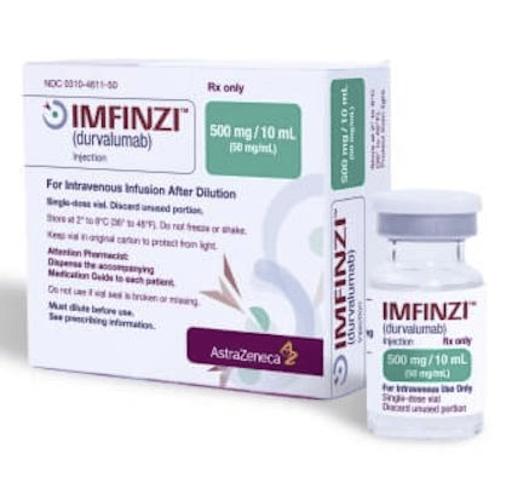
Durvalumab (Imfinzi) — immunotherapy for selected cancers
What Imfinzi is in simple words
Durvalumab, sold as Imfinzi, is an immunotherapy medicine. It belongs to the PD-L1 inhibitor group.
It does not work like classic chemotherapy. Instead of trying to poison the tumour directly, it tries to remove one of the brakes that cancer can put on the immune system.
For some patients this can be an important part of treatment. For others it is not the right step. The diagnosis matters, but it is never the only thing that matters.
How durvalumab works
Cancer cells can send calming signals to nearby immune cells. One of these signals involves PD-L1. When it is active, T-cells may stay quiet even when the tumour is present.
Durvalumab blocks PD-L1. After that, immune cells may be able to react more strongly against the cancer. The idea is simple enough; the real decision is not.
An oncologist still has to look at the tumour type, stage, previous treatment, scans, blood tests, symptoms and the patient’s general condition. A single marker rarely tells the whole story.
What conditions durvalumab is used for
Imfinzi may be discussed in several cancer settings where a PD-L1 approach fits the treatment plan. These may include:
- lung cancer after chemotherapy and radiation when surgery is not the main route;
- small cell lung cancer in selected systemic treatment plans;
- bile duct and gallbladder cancers together with chemotherapy;
- liver cancer when systemic therapy is being considered;
- endometrial cancer in certain advanced or recurrent situations;
- bladder and urinary tract cancer in some clinical contexts.
This list is not a prescription. The same cancer name can lead to different recommendations in two different patients. That is normal oncology, not a contradiction.
When Imfinzi may be especially relevant
Durvalumab is usually considered when the treatment goal is not only to attack visible disease, but also to keep the immune response involved for longer.
It may be relevant:
- after combined chemotherapy and radiation for some lung cancers;
- with chemotherapy at the start of treatment for certain advanced cancers;
- with another immune drug in selected liver or lung cancer plans;
- when previous testing supports an immune-based approach;
- when the patient is fit enough for close monitoring.
Sometimes the plan is curative in intent. Sometimes the goal is disease control. Those are very different conversations, even if the same drug name appears in both.
What should be checked before starting
Before treatment, the oncologist usually needs more than the pathology report. The useful checks often include:
- exact tumour type and stage;
- recent CT, PET-CT, MRI or other imaging;
- PD-L1 and other tumour markers when they are relevant;
- driver mutations or molecular tests for that cancer type;
- previous chemotherapy, radiation, surgery or immunotherapy;
- blood counts and liver tests;
- kidney function and thyroid function;
- history of autoimmune disease or long-term steroid use.
These details can change the plan completely. A patient who looks suitable on the surface may have a hidden risk. Another patient with the same diagnosis may be a good candidate because the biology of the tumour is different.
How treatment with Imfinzi is given
Durvalumab is given as an intravenous infusion. The interval depends on the schedule chosen by the oncology team and on whether it is used alone or with other medicines.
During treatment, doctors usually follow:
- blood counts and chemistry tests;
- liver and kidney function;
- thyroid and other hormone signals;
- new cough, shortness of breath, diarrhoea or skin changes;
- scans to understand whether the disease is responding.
The first scan does not always give a clean answer. With immunotherapy, the picture can take time to settle. That waiting period is often harder emotionally than patients expect.
Possible side effects
Many people hear “immunotherapy” and expect something light. That is not the right way to think about it. Durvalumab can be easier than some chemotherapy plans, but it can also cause immune inflammation in healthy organs.
Possible reactions include:
- tiredness that feels deeper than usual fatigue;
- skin rash, itching or dryness;
- diarrhoea or bowel inflammation;
- cough or inflammation in the lungs;
- changes in liver blood tests;
- thyroid or adrenal hormone problems;
- joint or muscle pain;
- fever, nausea or lower appetite.
Most problems are easier to manage when they are caught early. Waiting “a few more days” can turn a manageable reaction into a much harder one.
When to contact the doctor urgently
During treatment, the patient should contact the oncology team quickly if any of the following appear:
- new or worsening shortness of breath;
- persistent cough;
- frequent diarrhoea or blood in stool;
- yellow eyes or skin;
- severe weakness that comes on quickly;
- confusion, strong headache or vision changes;
- high fever;
- a new skin reaction that spreads or becomes painful.
Not every symptom means a dangerous complication. Still, with PD-L1 therapy it is safer to check early. The doctor can decide whether this is infection, tumour-related, treatment-related or something else.
Why Imfinzi is not suitable for everyone
Durvalumab is not a universal cancer medicine. It can be useful in the right setting and disappointing, or risky, in the wrong one.
The decision can be affected by:
- tumour biology and treatment line;
- speed of cancer growth;
- autoimmune disease history;
- current infections;
- need for steroids or immune suppression;
- overall strength and organ function.
Sometimes the best next step is another immunotherapy combination. Sometimes it is chemotherapy, targeted therapy, radiation, surgery or supportive treatment. “Modern” does not automatically mean “best for this patient”.
Can Imfinzi be combined with other treatments
Yes. In several cancers durvalumab is used with chemotherapy or with another immunotherapy drug. In other settings it is given after chemotherapy and radiation, when there is no sign that the disease has moved forward.
A combination is not chosen simply to make treatment “stronger”. It should have a reason: tumour type, stage, previous treatment and the patient’s ability to tolerate the plan. More treatment can mean more benefit, but it can also mean more harm.
What “no quick response” may mean
Patients often expect a visible result quickly. Immunotherapy does not always behave that way.
A scan may show stability rather than shrinkage. Symptoms may improve before the scan changes. Or the opposite may happen: the scan looks stable while the patient feels worse because of inflammation, infection or another problem.
That is why one image rarely decides everything. The oncologist reads the scan together with symptoms, blood tests and the pace of change.
Oncology consultation about Imfinzi in Israel
At Tel Aviv Medical Clinic, an oncology consultation can help clarify whether durvalumab fits the patient’s situation and what information is still missing before a decision is made.
The consultation may be useful if you need to:
- check whether Imfinzi is reasonable for the current diagnosis;
- review PD-L1 and other molecular results;
- compare immunotherapy with chemotherapy or targeted options;
- understand why a combination was proposed;
- get a second opinion on an existing treatment plan;
- discuss treatment options in Israel.
We do not replace the treating doctor and do not prescribe treatment by message. The goal is to understand the medical logic and ask the right questions before the next step.
Frequently asked questions
- Is Imfinzi the same as chemotherapy?
No. Chemotherapy attacks cells that divide quickly. Durvalumab works through the immune system by blocking PD-L1. Because of that, the side effects are different. With Imfinzi, doctors pay special attention to inflammation in the lungs, bowel, liver, thyroid and other hormone organs. That does not make it harmless. It simply means the risks are different.
- Do I need PD-L1 testing before durvalumab?
Sometimes yes, sometimes the decision depends on the cancer setting rather than one test alone. PD-L1 can help, but it is not the whole story. The oncologist also looks at stage, previous treatment, scans, molecular findings and the patient’s condition. A “good” or “bad” PD-L1 result should not be read without context.
- How soon can we know if Imfinzi is working?
Usually after several treatment cycles and a planned scan. Some patients feel better earlier, but that does not always mean the tumour is shrinking. Others feel the same while the disease is being held stable. The safest answer comes from the whole picture: imaging, symptoms, blood tests and time.
- Why is Imfinzi sometimes given after chemotherapy and radiation?
In certain lung cancer situations, chemotherapy and radiation first try to control the visible tumour. Durvalumab may then be used to help keep the immune system engaged after that phase. It is not a repeat of chemotherapy. It is a different stage of the plan, with its own monitoring and risks.
- Can a patient with an autoimmune disease receive Imfinzi?
It depends. Autoimmune disease does not always make immunotherapy impossible, but it raises the risk of flare-ups. The doctor needs to know the exact diagnosis, how active it is, what medicines the patient takes and whether there were severe past complications. In some cases treatment is possible with caution. In others the risk is too high.
- What should I do if diarrhoea or cough starts during treatment?
Do not wait for the next routine visit. Diarrhoea can be a sign of bowel inflammation. Cough or shortness of breath can be related to the lungs. There may be other causes, of course, but the oncology team needs to decide. Early contact often prevents bigger problems.
- Can Imfinzi be used with other immune medicines?
In selected cancers, yes. For example, durvalumab may be paired with another immune drug when the biology of the cancer and the treatment goal support that approach. The trade-off is a higher chance of immune side effects. The question is not whether two drugs sound stronger; the question is whether the patient is likely to benefit enough to justify the added risk.
Important information
This page provides general medical information and is not a treatment prescription. Durvalumab (Imfinzi) can be used only after an oncologist reviews the diagnosis, stage, test results, previous treatment and general health of the patient.
Do not start, stop or change cancer treatment without your treating doctor.
For an oncology consultation about Imfinzi:
📞 +972-73-374-6844
📧 [email protected]
💬 WhatsApp: +972-52-337-3108