


 Contact Us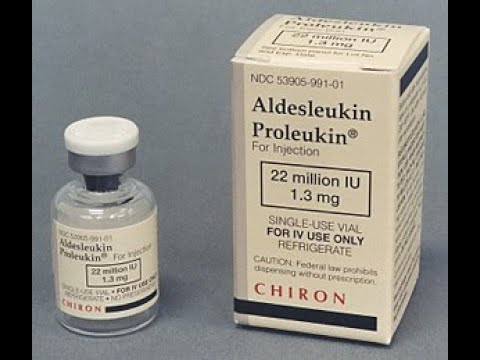
Interleukin-2 (Aldesleukin) — immune activation treatment in oncology
What is interleukin-2 (aldesleukin) in simple words
Interleukin-2, often shortened to IL-2, is not a modern checkpoint inhibitor. It belongs to an older, very direct way of using the immune system against cancer.
Aldesleukin is a laboratory-made version of a signal the body already uses. That signal tells certain immune cells to wake up, multiply and work harder. In the right patient, this push can be powerful. In the wrong patient, it can be too much.
That is why IL-2 is never chosen just because the diagnosis fits on paper. The question is more practical: is the person strong enough for this type of immune activation, and is there a realistic reason to use it now?
How aldesleukin works
IL-2 speaks to immune cells in a very blunt language. It does not point at one mutation and it does not carry a toxin into the tumour. It raises the volume of the immune response.
The main interest is in T-cells and natural killer cells. These cells can recognise abnormal cells, but in advanced cancer they may be too few, too tired or too poorly organised to make a difference. Aldesleukin tries to change that balance.
The effect is not delicate. The same immune surge that may help against cancer can also disturb blood pressure, fluid balance, breathing, kidneys and the nervous system. This is the reason IL-2 has to be treated as a serious hospital-based therapy, not as a routine infusion.
What conditions aldesleukin is used for
In oncology, aldesleukin is mainly discussed in a narrow group of situations, usually when the disease has already moved beyond local treatment.
- advanced kidney cancer;
- advanced melanoma;
- selected patients who can tolerate intensive immune treatment;
- rare cases where older immune therapy is still part of the discussion.
The list looks short. That is intentional. IL-2 is not a general cancer drug and it has largely moved out of everyday use because safer options now exist for many patients.
Still, it has not disappeared completely. Some oncologists keep it in mind because a small number of patients can have unusually long responses. That possibility is the reason the conversation still comes up.
When aldesleukin may be especially relevant
Aldesleukin may be considered when the goal is not just temporary tumour shrinkage but the possibility of a deep immune response. That sounds attractive, but the selection has to be strict.
It may be discussed when:
- the disease is advanced but the patient is physically fit;
- heart and lung reserve look acceptable;
- kidney and liver function allow close monitoring;
- autoimmune risk is not the main concern;
- other options have been reviewed carefully;
- the patient understands the intensity of treatment.
This is not a drug I would describe as “worth trying” in a casual way. The treatment period can be difficult. A patient needs to know what the team is watching for before the first dose is given.
What needs to be checked before starting treatment
Before IL-2 is even seriously planned, the oncologist needs more than a scan and a pathology report. The whole body has to be assessed, because the drug can stress several systems at once.
The usual review includes:
- exact cancer type and stage;
- previous treatments and response;
- current imaging;
- blood counts and chemistry;
- kidney and liver function;
- thyroid status if relevant;
- heart assessment;
- lung assessment;
- infection risk;
- performance status.
The heart and lung review matters a lot. During IL-2 treatment, the body can behave as if it is under major stress. Fluid can shift into tissues. Blood pressure can drop. Oxygen needs can change. A patient who is already borderline may not have enough reserve.
Sometimes the answer after this review is “no”. That can be frustrating, but it may be the safest decision.
How treatment is carried out
Aldesleukin is given under close medical supervision. In many cases, especially with high-dose treatment, this means an inpatient setting with a team used to managing the drug.
The schedule is not chosen casually. It depends on the intended dose, the centre’s protocol, the patient’s condition and how the body reacts after the first doses.
During treatment the team watches:
- temperature;
- blood pressure;
- breathing;
- fluid balance;
- urine output;
- blood tests;
- neurological changes;
- overall tolerance.
A planned dose may be delayed or skipped if the body is not coping. That is not a failure of treatment. It is part of how IL-2 is safely managed.
Possible side effects
IL-2 side effects are not like the usual image of chemotherapy. Hair loss is not the central issue. The problem is the immune storm and the strain it puts on organs.
Possible problems include:
- fever or chills;
- marked tiredness;
- nausea or poor appetite;
- diarrhoea;
- skin changes;
- swelling;
- changes in thinking or alertness;
- reduced urine output;
- breathing difficulty;
- heart rhythm changes.
Many reactions improve once the drug is stopped and supportive care is given. The important point is timing. With IL-2, waiting too long is rarely a good idea.
When to contact a doctor urgently
After treatment, the patient and family should know which symptoms are not worth watching at home.
Urgent medical contact is needed if there is:
- new shortness of breath;
- confusion;
- fainting or near-fainting;
- very low urine output;
- persistent vomiting;
- chest discomfort;
- severe weakness;
- high fever that does not settle;
- rapid swelling;
- a sudden general decline.
Some of these symptoms can sound vague. That is exactly why the threshold for calling should be low. IL-2 is not a treatment where patients should try to be brave in silence.
Why aldesleukin is not right for everyone
The main limitation is not only whether the cancer might respond. The body has to be able to withstand the treatment.
Aldesleukin may be unsuitable when there is:
- significant heart disease;
- poor lung reserve;
- uncontrolled infection;
- serious kidney problems;
- poor general condition;
- active brain symptoms;
- recent major complications;
- no realistic benefit compared with safer choices.
This is where the discussion becomes very individual. A younger patient is not automatically suitable. An older patient is not automatically excluded. The real question is reserve, disease behaviour and the quality of the alternatives.
Can aldesleukin be combined with other treatments
Historically, IL-2 has been tested in different combinations. In daily practice, that does not mean combinations are automatically sensible.
Modern oncology has changed the landscape. Checkpoint inhibitors, targeted drugs and cellular therapies have taken over many spaces where older immune treatments were once considered. If IL-2 is discussed today, it should be because it has a specific role in that patient’s plan, not because “more immune treatment” sounds stronger.
The safest answer is usually this: combinations need a clear reason, a centre with experience and a careful plan for toxicity. Otherwise, adding treatments can simply add risk.
What “no quick response” to treatment means
With IL-2, the first days of treatment say more about tolerance than tumour response. The cancer will not usually announce its answer immediately.
Response is judged later, with imaging and clinical follow-up. Sometimes the disease stabilises before there is any obvious shrinkage. Sometimes there is no benefit despite a very difficult course. Both outcomes happen, and this has to be discussed before treatment begins.
I would not promise a patient that IL-2 is worth it because it is intense. Intensity is not the same as effectiveness. The reason to use it must be stronger than that.
Oncology consultation for interleukin-2 (aldesleukin) in Israel
At Tel Aviv Medical Clinic in Israel, a consultation can help clarify whether aldesleukin has any meaningful place in the treatment plan. For many patients, the answer will be another therapy. For a few, IL-2 may still be worth discussing.
A consultation may be useful if you need to:
- review kidney cancer treatment options;
- discuss melanoma after previous therapy;
- understand whether IL-2 is realistic;
- check whether the body can tolerate intensive therapy;
- compare older and newer immune treatments;
- prepare questions for the treating oncologist.
We do not replace the treating physician or prescribe remotely. The purpose is to make the reasoning clearer, especially when the choice looks risky or emotionally loaded.
Frequently Asked Questions — Dr. Stefanskoy
- Is aldesleukin the same as immunotherapy?
Yes, but it is a very different kind of immunotherapy from the drugs many patients hear about today. Checkpoint inhibitors remove a brake from immune cells. IL-2 pushes immune cells to become more active and multiply.
That difference matters. Aldesleukin can be much harder on the body. I usually explain it as an older and more forceful immune tool. It can be valuable in selected cases, but it is not a gentle substitute for modern immunotherapy.
- Why is aldesleukin used less often now?
Because oncology has changed. We now have treatments that are easier to give and safer for many patients with melanoma or kidney cancer. That does not make IL-2 useless. It means the bar for using it is higher.
When I discuss it, I want a clear reason. Not nostalgia. Not “we have not tried it yet”. The patient has to be fit enough, and the expected benefit has to justify the risk.
- Can IL-2 produce long responses?
In a small group of patients, yes. That is the part that keeps IL-2 in the conversation. Some responses can last a long time, and that is unusual enough to be taken seriously.
But this should never be presented as a common outcome. Most patients will not get that kind of result. Before starting treatment, I would rather have an honest discussion than create hope that is too neat and too easy.
- Is the treatment always done in hospital?
High-intensity IL-2 is usually managed in a setting where close observation is possible. The reason is simple: the body can change quickly. Blood pressure, breathing, urine output and mental clarity may all need attention.
Some lower-intensity schedules exist in specific contexts, but when people talk about classic aldesleukin in cancer, they usually mean treatment that needs a very experienced team. The location is part of the safety plan.
- What makes a patient unsuitable for aldesleukin?
The biggest issue is reserve. If the heart, lungs, kidneys or general condition are already weak, IL-2 may be too dangerous. The same is true if there is uncontrolled infection or unstable neurological symptoms.
I do not make that decision from age alone. I look at how the person functions, what the tests show and what other options exist. Sometimes not giving IL-2 is the more responsible medical decision.
- Can aldesleukin be used after checkpoint inhibitors?
Sometimes the question comes up, especially in melanoma or kidney cancer. The answer depends on what has already been used, how the disease behaved and how well the patient recovered from previous treatment.
There is no automatic sequence. After modern immunotherapy, the body may still be sensitive, and the cancer biology may have changed. I would review the whole timeline before saying whether IL-2 is reasonable.
- What should a patient ask before agreeing to IL-2?
I would ask three things. First: what is the realistic goal? Second: what makes me a suitable candidate? Third: what will happen if my body does not tolerate the first doses?
These questions are not pessimistic. They are practical. IL-2 is a treatment where planning matters as much as the prescription itself.
Important information
This page is for general medical orientation only. It is not a treatment recommendation and cannot replace an oncology consultation.
Aldesleukin should only be considered after a full review of diagnosis, disease extent, previous therapy, organ function and overall condition. Do not start, stop or change cancer treatment without your treating physician.
To arrange an oncology consultation regarding immune therapy options and the possible role of interleukin-2 in Israel:
📞 +972-73-374-6844
📧 [email protected]
💬 WhatsApp: +972-52-337-3108