


 Contact Us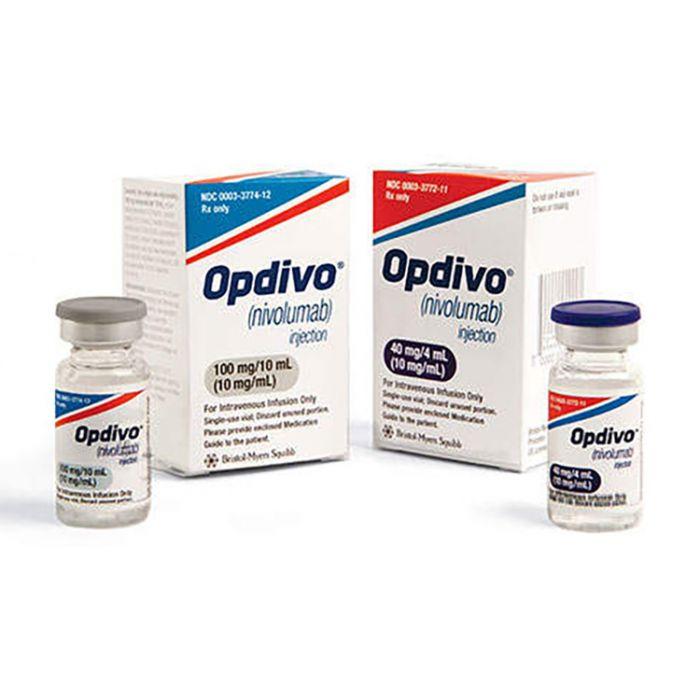
Nivolumab (Opdivo) — immunotherapy for cancer treatment
What is nivolumab (Opdivo) in simple words
Nivolumab (Opdivo) is a drug that does not kill cancer cells. It does something different.
Many tumours learn to hide from the immune system. They produce a signal that tells immune cells: stand down, nothing to see here. Nivolumab blocks that signal — specifically, a receptor called PD-1 on immune cells that tumours use to switch them off.
Once that block is removed, immune cells can see the tumour again. Sometimes that is enough to change the course of disease.
Not for everyone. The cancer type, its molecular make-up, and the patient’s condition all determine whether this approach makes any sense.
How nivolumab works
T-cells are the immune system’s main attack force against abnormal cells. Tumours exploit a checkpoint mechanism — PD-L1 on the tumour surface binding to PD-1 on T-cells — to switch those cells off before they can act.
Nivolumab binds to PD-1 and blocks that interaction. T-cells stay active. They can then target tumour cells more effectively.
Whether this produces a meaningful response depends on PD-L1 expression, tumour mutational burden, prior treatments and factors that differ from person to person.
What conditions nivolumab is used for
Nivolumab has received regulatory approval across a wide range of cancers:
- non-small cell lung cancer;
- small cell lung cancer;
- melanoma;
- kidney cancer;
- bladder and urinary tract cancer;
- head and neck squamous cell cancer;
- oesophageal cancer;
- gastric and gastro-oesophageal junction cancer;
- hepatocellular carcinoma;
- colorectal cancer with MSI-H or dMMR features;
- classical Hodgkin lymphoma;
- pleural mesothelioma.
The CheckMate clinical programme — the body of trials behind nivolumab — is one of the largest in oncology history, covering combinations with ipilimumab, chemotherapy and tyrosine kinase inhibitors across multiple tumour types. At ten years, CheckMate 067 showed 43% overall survival in advanced melanoma patients treated with nivolumab plus ipilimumab. That kind of data takes time to accumulate — and it changes how the disease is thought about.
Still, seeing a diagnosis on this list does not make nivolumab the automatic answer. Tumour subtype, biomarker results and which line of therapy this would be all matter enormously.
When nivolumab may be especially relevant
The situations where it comes up most often:
- first-line advanced melanoma — alone or with ipilimumab;
- first-line renal cell carcinoma — combined with ipilimumab or cabozantinib;
- previously treated non-small cell lung cancer;
- first or second-line oesophageal and gastric cancers;
- hepatocellular carcinoma after prior systemic therapy;
- relapsed or refractory classical Hodgkin lymphoma;
- MSI-H colorectal cancer;
- adjuvant treatment after surgery for melanoma.
In kidney cancer, the IMDC risk score shapes the first-line decision significantly. Intermediate and poor-risk patients have shown clear benefit from nivolumab plus ipilimumab in CheckMate 214. Favourable-risk patients are a different story — there, a tyrosine kinase inhibitor combination may be more appropriate. The score considers haemoglobin, calcium, neutrophils, platelets, time from diagnosis and performance status. Six data points. One changes the whole plan.
A newly diagnosed patient and someone who has already been through three treatment lines present entirely different questions — even with the same diagnosis on the page.
What needs to be checked before starting treatment
Before nivolumab is considered, an oncologist will typically want to see:
- histological tumour type and subtype;
- disease stage and extent;
- CT, PET-CT or MRI findings;
- PD-L1 expression level;
- MSI-H / dMMR status;
- tumour mutational burden — in selected situations;
- EGFR, ALK, BRAF and other relevant mutations;
- previous treatments and response to each;
- full blood count and chemistry;
- liver, kidney and thyroid function;
- cardiac assessment — if ipilimumab combination is planned;
- autoimmune history.
Why does the cardiac assessment matter specifically for the combination?
Immune-related myocarditis — inflammation of the heart muscle — is rare but potentially fatal when it occurs. It happens more often with dual checkpoint blockade than with nivolumab alone. I always check baseline cardiac function before recommending nivolumab plus ipilimumab. An ECG and troponin at minimum. More if the history warrants it.
How treatment is carried out
Nivolumab is given as an intravenous infusion — every 2, 4 or 6 weeks depending on the dose and regimen. When combined with ipilimumab, both drugs are given together for an induction phase of four cycles, then nivolumab continues alone as maintenance.
Regular monitoring throughout treatment includes:
- full blood count and chemistry;
- thyroid function — TSH and free T4;
- liver enzymes — ALT, AST, bilirubin;
- kidney function;
- CT or PET-CT for response assessment;
- monitoring for immune-related adverse events at every visit.
With the nivolumab-ipilimumab combination, grade 3–4 immune-related events occur in roughly 55% of patients — compared to around 20% with nivolumab alone. That gap is real. It influences which patients I recommend the combination for and which I do not.
Possible side effects
Nivolumab’s side effect profile is different from chemotherapy. The immune system is being activated — and sometimes it overshoots, attacking healthy tissue.
Side effects that may occur:
- fatigue — often the most consistent complaint;
- skin rash, itching, dryness;
- diarrhoea or immune-related colitis;
- thyroid dysfunction — hypo or hyperthyroidism;
- pneumonitis — immune-related lung inflammation;
- elevated liver enzymes — immune hepatitis;
- joint and muscle pain;
- adrenal insufficiency;
- nausea and appetite loss;
- rare but serious: myocarditis, neurological toxicity.
Most immune-related adverse events respond to corticosteroids — if caught early. The ones that become serious are almost always the ones that were not reported promptly. I tell patients at the very first visit: if something feels new and does not go away within a day or two, call. Not at the next scheduled appointment. Call.
When to contact a doctor urgently
Get in touch promptly if any of the following develop during treatment:
- new or worsening shortness of breath;
- chest pain or tightness;
- severe or rapidly worsening diarrhoea;
- blood in the stool;
- rapidly increasing weakness;
- fever above 38°C;
- yellowing of the skin or eyes;
- severe headache;
- confusion or disorientation;
- irregular heartbeat or palpitations;
- sudden significant deterioration in how you feel.
The rule with immunotherapy toxicity is simple. Early review is almost always manageable. Late review is often not.
Why nivolumab is not right for everyone
Broad approval does not mean universal applicability.
Factors that affect the decision:
- driver mutations favouring targeted therapy first — EGFR, ALK, BRAF;
- low or absent PD-L1 in settings where it predicts response;
- active severe autoimmune disease;
- prior solid organ transplant;
- poor performance status;
- significant cardiac or pulmonary comorbidities.
Organ transplant recipients are a genuinely difficult situation. Nivolumab activates T-cells — and in transplant recipients, those T-cells can turn against the transplanted organ. Rejection has been documented. It is not an automatic contraindication, but it requires a very careful, individualised conversation between the oncologist and the transplant team. I do not give a quick answer on that one.
Can nivolumab be combined with other treatments
Yes — and combination strategies are central to how nivolumab is actually used. The combination with ipilimumab (dual checkpoint blockade) has changed long-term outcomes in melanoma, kidney cancer and lung cancer. Nivolumab is also combined with chemotherapy in oesophageal and gastric cancers, and with cabozantinib in kidney cancer.
Every combination has its own evidence base and its own toxicity profile. Adding more is not the same as doing better — and the right approach depends entirely on what the clinical data actually supports for that specific diagnosis and patient.
What “no quick response” to treatment means
Immunotherapy is not fast. The immune system needs time to build a response — and early imaging can be genuinely misleading.
Pseudoprogression is real: tumours can appear larger on early scans because of immune cell infiltration before they begin to shrink. Delayed response — stabilisation at first assessment, then clear improvement at the next — is also documented. Neither means treatment has failed.
I look at imaging together with symptoms, blood work and the patient’s overall trajectory. One scan is one data point. It matters. But it is rarely the last word.
Oncology consultation for nivolumab (Opdivo) in Israel
At Tel Aviv Medical Clinic in Israel, consultations are available on the potential use of nivolumab (Opdivo) across multiple cancer types. Oncologists at the clinic follow current ESMO and NCCN guidelines and have experience managing patients across first-line, adjuvant and later-line settings — including complex situations involving prior immunotherapy exposure, dual checkpoint blockade decisions, autoimmune comorbidities, and patients who have progressed through several previous treatments.
A consultation may be helpful if you need to:
- understand whether nivolumab fits your diagnosis and biomarker profile;
- get a second opinion on a proposed treatment plan;
- weigh up nivolumab monotherapy versus nivolumab plus ipilimumab;
- review PD-L1, MSI-H, TMB and mutation test results;
- compare options in Israel and internationally;
- plan next steps after prior immunotherapy has stopped working.
We do not prescribe treatment remotely or replace your treating physician.
We help make the clinical reasoning clear — and help you go into your next appointment with the right questions.
Frequently Asked Questions — Dr. Stefanskoy
- What is the difference between nivolumab and pembrolizumab?
Same mechanism — both block PD-1. The differences are in which specific trials support which indications, dosing schedules, and where the combination evidence is strongest.
Pembrolizumab tends to dominate in lung cancer with high PD-L1, and has tumour-agnostic approval based on MSI-H and TMB-H. Nivolumab has stronger data in renal cell carcinoma, hepatocellular carcinoma and Hodgkin lymphoma, and the nivolumab-ipilimumab combination has a longer track record than anything comparable with pembrolizumab. I choose based on the diagnosis, biomarkers and combination strategy — not on habit.
- Is nivolumab plus ipilimumab much better than nivolumab alone?
In selected cancers, yes — meaningfully so. In advanced melanoma, CheckMate 067 showed 43% ten-year overall survival with the combination versus 36% with nivolumab alone. In kidney cancer, CheckMate 214 showed the combination outperformed sunitinib in intermediate and poor-risk patients. These are not small differences.
The cost is toxicity — grade 3–4 immune-related events in about 55% of patients, compared to 20% with nivolumab alone. I recommend the combination when the evidence supports it and when the patient can genuinely manage the higher risk. Not every patient within the same diagnosis qualifies.
- Does PD-L1 testing matter for nivolumab?
It depends on the cancer. In lung cancer monotherapy decisions, yes — PD-L1 level is often a key criterion. In renal cell carcinoma and Hodgkin lymphoma, nivolumab has shown benefit regardless of PD-L1, so the test is less decision-driving there.
MSI-H status matters more than PD-L1 in colorectal and some other tumour types. Tumour mutational burden is increasingly relevant in certain settings. I never interpret one biomarker in isolation — the clinical picture always comes first.
- How long does treatment continue?
In metastatic disease, nivolumab typically continues until progression or toxicity — which can be months or years. In adjuvant melanoma, the standard course is up to one year.
There is genuine ongoing debate about optimal duration — whether stopping after a sustained deep response might be reasonable in some patients. Some trials are exploring this. For now, I follow evidence-based guidelines while discussing the question honestly with patients who ask about it.
- What happens if nivolumab stops working?
That depends heavily on what has happened before. In some cancers, chemotherapy becomes the next step. In others, a different immunotherapy combination or targeted agent may be appropriate. The specific tumour type and treatment history shape every option.
Re-challenge — restarting immunotherapy after a treatment break — is being studied in some settings and can be appropriate in selected cases after a durable initial response. It is not a standard recommendation across the board, but it is a real conversation in the right context.
- Can nivolumab be used after an organ transplant?
This is one of the most genuinely difficult questions in immunotherapy. Nivolumab activates T-cells — and those T-cells can turn against a transplanted organ. Rejection has been documented in published case reports.
It is not an absolute contraindication in every situation. Some patients have been treated carefully with monitoring and immunosuppression management. But the risk is real, the evidence is limited, and the decision requires a real conversation between the oncologist and transplant team — not a standard answer. I never handle this one quickly.
- Are there alternatives if nivolumab is not right?
Yes — always. Pembrolizumab covers many overlapping indications. Atezolizumab and durvalumab are PD-L1 inhibitors with their own approved uses. Depending on the cancer, targeted therapy, chemotherapy or other combination regimens may be the right answer.
The goal is never to fit a patient to a drug. It is to find the option that has the best evidence and the most appropriate risk-benefit profile for this person, at this point in their disease. Sometimes that is nivolumab. Sometimes it is not.
Important information
The information on this page is for general medical reference only and does not constitute a treatment recommendation. Nivolumab (Opdivo) may only be prescribed by an oncologist following a full assessment of diagnosis, disease stage, biomarker results, test findings and overall patient condition.
Do not start, stop or change treatment without consulting your treating physician.
To arrange an oncology consultation regarding immunotherapy and the potential use of nivolumab in Israel:
📞 +972-73-374-6844
📧 [email protected]
💬 WhatsApp: +972-52-337-3108