


 Contact Us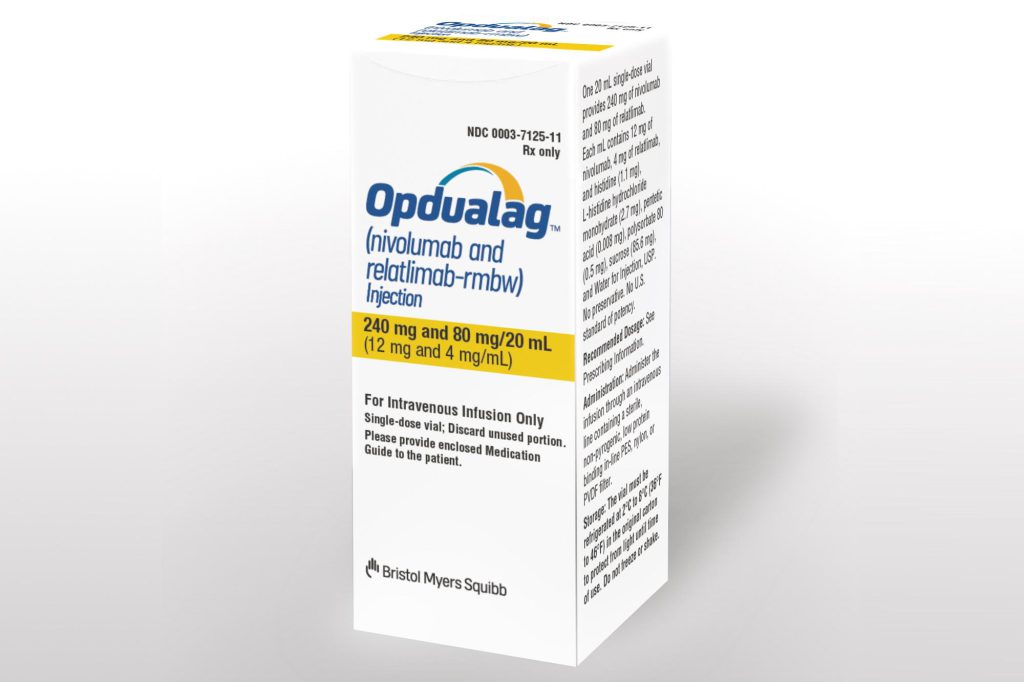
Nivolumab + Relatlimab — dual checkpoint immunotherapy for melanoma treatment
What is nivolumab + relatlimab in simple words
Nivolumab + relatlimab is an immunotherapy combination used for advanced melanoma. In practice, it is the fixed-dose medicine known as Opdualag, but the decision is really about the two checkpoints being blocked together.
Nivolumab blocks PD-1. Relatlimab blocks LAG-3. Both are immune brakes. Melanoma can use them to keep T-cells tired, present but not doing enough.
This combination tries to lift both brakes at once. Not as aggressive as nivolumab plus ipilimumab in many cases, not as simple as PD-1 alone either. It sits in that middle space, and that is why it needs proper judgement.
For one patient it may be exactly the right balance. For another, too much treatment or not enough. Same melanoma label on the file does not answer the question.
How nivolumab + relatlimab works
T-cells can recognise melanoma cells, but tumours often make the immune response slow down. PD-1 is one part of that shutdown. LAG-3 is another, especially in exhausted T-cells.
Nivolumab attaches to PD-1. Relatlimab attaches to LAG-3. With both signals blocked, the immune system may regain enough activity to control the tumour.
The word “may” matters. Checkpoint treatment is not mechanical. It depends on tumour biology, disease volume, LDH, brain involvement, previous treatment and the patient’s immune background.
That is why the combination is not just “stronger nivolumab”. It is a separate strategy, with its own place and its own risks.
What conditions nivolumab + relatlimab is used for
The established use is advanced melanoma — melanoma that cannot be removed surgically or has spread.
- unresectable melanoma;
- metastatic melanoma;
- adults and adolescents aged 12 years and older in approved settings;
- first-line advanced melanoma in Europe when tumour PD-L1 expression is below 1%;
- selected patients where a dual checkpoint approach is reasonable.
The FDA indication is broader: unresectable or metastatic melanoma in adults and paediatric patients from 12 years of age. The EMA indication is narrower and specifically refers to first-line advanced melanoma with tumour PD-L1 expression below 1%. This difference is not cosmetic. It can change what is offered in different countries.
RELATIVITY-047 is the trial most often discussed here. It compared nivolumab + relatlimab with nivolumab alone in untreated advanced melanoma and showed longer progression-free survival with the combination. Useful data. Not a blank cheque.
When nivolumab + relatlimab may be especially relevant
This option usually comes up when the oncologist wants more than PD-1 monotherapy, but is not convinced the patient should take the higher toxicity of CTLA-4 combination treatment.
- first-line unresectable or metastatic melanoma;
- low PD-L1 melanoma, especially under European approval rules;
- BRAF wild-type melanoma where immunotherapy is the main route;
- BRAF V600-mutant melanoma when immunotherapy is preferred before targeted tablets;
- patients who may not tolerate nivolumab plus ipilimumab well;
- cases where disease control is needed, but the patient is still clinically stable.
The difficult cases are the ones with fast progression, raised LDH, symptomatic brain metastases or steroid use. In those situations the choice can move quickly toward another plan. Sometimes dual CTLA-4 therapy. Sometimes BRAF/MEK tablets. Sometimes local treatment first.
So the combination is not chosen because it sounds modern. It is chosen when the details line up.
What needs to be checked before starting treatment
Before treatment is started, the oncologist should have the core facts in hand:
- confirmed melanoma histology and subtype;
- stage and disease distribution;
- CT, PET-CT or MRI results;
- brain MRI if there is any neurological risk or advanced disease;
- BRAF V600 mutation status;
- PD-L1 expression where it affects access or decision-making;
- LDH level;
- previous surgery, radiotherapy or systemic therapy;
- autoimmune disease history;
- organ transplant history;
- liver, kidney and thyroid function;
- current steroid or immunosuppressive treatment;
- performance status and weight loss.
BRAF status is not a minor detail. If BRAF V600 is present, targeted therapy is a real alternative. It may not be the first choice, but ignoring it would be poor planning.
Steroids also deserve attention. A patient on steroids for brain swelling is not the same as a patient with treated, quiet brain lesions. Both may have metastatic melanoma. The treatment logic is different.
How treatment is carried out
Nivolumab + relatlimab is given as an intravenous infusion. The usual fixed dose is nivolumab 480 mg with relatlimab 160 mg once every 4 weeks, infused over about 30 minutes.
There is no routine dose reduction for immune toxicity. If a serious immune reaction appears, treatment is usually held. Steroids may be needed. Restarting is a separate decision, not automatic.
Monitoring during treatment usually includes:
- full blood count and chemistry;
- ALT, AST and bilirubin;
- kidney function;
- TSH and free T4;
- glucose if endocrine symptoms appear;
- CT, MRI or PET-CT response assessment;
- symptom review before every infusion.
The symptom review matters more than many patients expect. A cough, loose stool, rash, headache or sudden fatigue can be the first sign of immune inflammation. Early reporting often keeps the problem manageable.
Possible side effects
The side effects are not the usual chemotherapy pattern. The immune system is being stimulated, and sometimes it attacks normal tissue.
- fatigue;
- rash or itching;
- diarrhoea or immune-related colitis;
- nausea or reduced appetite;
- joint or muscle pain;
- thyroid dysfunction;
- pneumonitis;
- hepatitis and abnormal liver tests;
- kidney inflammation;
- adrenal or pituitary problems;
- infusion reactions;
- rare myocarditis or neurological toxicity.
Most immune side effects can be treated if they are caught early. The dangerous ones are often the ones that were “watched” for too long at home.
I would take chest pain, palpitations, new breathlessness, severe diarrhoea or heavy weakness seriously from the first call. Waiting for the next routine visit is the wrong approach here.
When to contact a doctor urgently
Contact the oncology team promptly if any of the following develop:
- new or worsening shortness of breath;
- persistent cough;
- chest pain or palpitations;
- severe or worsening diarrhoea;
- blood in the stool;
- yellowing of the skin or eyes;
- dark urine;
- severe headache;
- confusion, vision changes or unusual drowsiness;
- fever above 38°C;
- rapidly increasing weakness;
- severe rash, blistering or painful skin.
With immunotherapy, a small symptom can be the start of a real toxicity. Call early. The team can decide whether it is urgent; the patient should not have to guess.
Why nivolumab + relatlimab is not right for everyone
Dual checkpoint treatment is not a universal upgrade. It may be unsuitable when there is:
- active severe autoimmune disease;
- previous serious immune-related toxicity;
- solid organ transplant history;
- need for high-dose steroids;
- poor performance status;
- uncontrolled brain metastases;
- very rapid symptomatic progression;
- major cardiac, lung, liver or endocrine comorbidity.
Transplant patients are a separate conversation. Checkpoint inhibitors can trigger rejection of the transplanted organ. That risk is real and should be discussed with the transplant team, not handled casually.
There is also a practical question: can the patient be monitored closely, and can toxicity be treated quickly if it appears? If the answer is no, the “best” regimen on paper may be unsafe in real life.
Can nivolumab + relatlimab be combined with other treatments
Nivolumab + relatlimab is already a fixed dual-immunotherapy regimen. In standard care, it is not something I would casually add other systemic drugs to outside a trial.
Other treatments can still be part of the melanoma plan. Surgery or radiotherapy may be used for limited lesions. BRAF/MEK targeted therapy remains important if BRAF V600 is positive. Clinical trials may test new combinations.
But more treatment is not automatically better. More treatment can simply mean more toxicity. The evidence has to justify the extra risk.
What ‘no quick response’ to treatment means
Immunotherapy does not always give a quick visible response. Sometimes the first scan shows stable disease. In melanoma, that can still be worth something if symptoms, LDH and the overall course look better.
Pseudoprogression can happen, but it is uncommon enough that no one should assume it every time a scan looks worse. True progression is more common.
The decision is made from the whole picture: imaging, symptoms, new lesions, LDH, pace of change and how the patient looks in the room. One scan matters. It is just not always the whole story.
Oncology consultation for nivolumab + relatlimab in Israel
At Tel Aviv Medical Clinic in Israel, consultations are available for patients with advanced melanoma who are considering nivolumab + relatlimab or comparing it with other first-line options.
A consultation may be useful if you need to:
- understand whether nivolumab + relatlimab fits your melanoma case;
- compare it with PD-1 monotherapy;
- compare it with nivolumab plus ipilimumab;
- review BRAF and PD-L1 results;
- discuss treatment sequence if BRAF V600 is positive;
- plan next steps after previous immunotherapy;
- get a second opinion before starting treatment.
We do not replace your treating physician and do not prescribe remotely. We help clarify the reasoning, so the next decision is based on the case itself rather than pressure, habit or a short explanation in a referral letter.
Frequently Asked Questions — Dr. Stefanskoy
- How is nivolumab + relatlimab different from nivolumab alone?
Nivolumab blocks PD-1. Relatlimab adds LAG-3 blockade. That second checkpoint is the reason the combination can work better than nivolumab alone in some untreated advanced melanoma patients. I still do not use it automatically. The patient has to need the extra immune push and be able to tolerate the risk.
- Is it the same as nivolumab plus ipilimumab?
No. Ipilimumab blocks CTLA-4, not LAG-3. Nivolumab plus ipilimumab can be very active, but toxicity is often harder. Nivolumab + relatlimab is usually discussed when PD-1 alone may be too light, but CTLA-4 combination may be too much.
- Does PD-L1 decide the treatment?
Not by itself. In Europe, the approved indication is tied to tumour PD-L1 below 1%. In the United States, approval is broader. Clinically, PD-L1 is only one piece. BRAF status, LDH, symptoms, disease volume and brain metastases can weigh more heavily.
- What if the melanoma has a BRAF mutation?
Then BRAF/MEK targeted therapy becomes another serious option. The order depends on the patient. Very fast symptomatic disease may push toward targeted tablets. A stable patient may still start with immunotherapy if long-term immune control is the main goal.
- How long does treatment continue?
Usually until progression or unacceptable toxicity. Some patients stay on for a long time; others stop earlier. Duration is decided by response, side effects, scans and the patient’s condition, not by a neat calendar rule.
- What happens if it stops working?
I would first review the full treatment history. Options may include BRAF/MEK therapy if BRAF V600 is present, nivolumab plus ipilimumab in selected cases, radiotherapy for limited progression, chemotherapy or a clinical trial. The next step depends on what failed and how it failed.
- Is it a safer option than nivolumab plus ipilimumab?
Often, yes. It is usually less toxic than CTLA-4-based dual therapy. But it is still immunotherapy with two checkpoints involved. Colitis, pneumonitis, hepatitis, endocrine problems and rare myocarditis can still happen. Safer does not mean harmless.
Important information
This page is for general medical information only. It is not a treatment recommendation and cannot replace a consultation with an oncologist.
Nivolumab + relatlimab may only be prescribed after review of diagnosis, disease stage, biomarkers, imaging, previous treatment and overall health.
Do not start, stop or change cancer treatment without speaking to your treating physician.
To arrange an oncology consultation regarding immunotherapy and the possible use of nivolumab + relatlimab in Israel:
📞 +972-73-374-6844
📧 [email protected]
💬 WhatsApp: +972-52-337-3108