


 Contact Us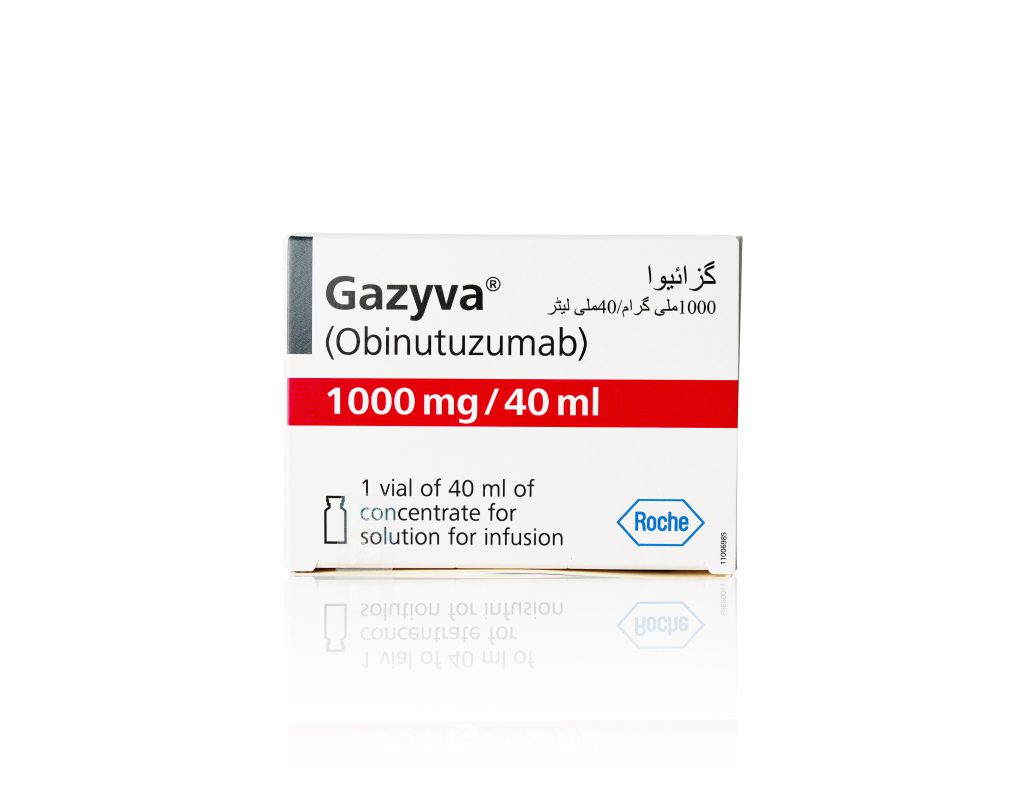
Obinutuzumab (Gazyva) — targeted treatment for CD20-positive blood cancers
What obinutuzumab is in simple words
Obinutuzumab, sold as Gazyva in many countries, is a monoclonal antibody used mainly in certain B-cell diseases. It is not classic chemotherapy. The medicine looks for a marker called CD20, which sits on many mature B cells, including many lymphoma and leukemia cells.
Once attached, it helps the body remove those cells. That is the simple idea. In real treatment, the choice is more personal: the diagnosis, CD20 result, previous therapy, blood counts, infection history and general strength of the patient all matter.
How obinutuzumab works
CD20 is a useful target because it is present on many abnormal B cells, but not on the earliest blood-forming cells. Obinutuzumab locks onto this target and makes the cell easier for the immune system to clear. It can also push the marked cell toward self-destruction.
This makes the drug different from older anti-CD20 antibodies in several practical ways. It was designed to bind firmly and to call immune cells more strongly. Still, a stronger design does not mean it is automatically better for every person. The disease setting decides a lot.
What conditions obinutuzumab is used for
Gazyva may be discussed when the disease is driven by CD20-positive B cells. In oncology, doctors most often talk about it in:
- chronic lymphocytic leukemia;
- previously untreated follicular lymphoma;
- follicular lymphoma that has come back;
- follicular lymphoma that did not respond well to earlier anti-CD20 treatment;
- some treatment plans where maintenance therapy is part of the strategy.
In some countries, obinutuzumab is also used in selected autoimmune disease settings. That does not make the oncology decision broader. For a cancer patient, the key question remains the same: is the abnormal cell population CD20-positive, and is this the right moment to use this medicine?
When obinutuzumab may be especially relevant
Obinutuzumab is usually considered when a doctor wants a CD20-directed antibody and the clinical picture fits its use. It may be relevant in situations such as:
- first treatment for CLL in a patient who needs a gentler combination;
- advanced follicular lymphoma at the start of systemic treatment;
- follicular lymphoma returning after previous therapy;
- a need for maintenance after a good response;
- a case where rituximab is no longer the preferred antibody.
The drug is rarely chosen just because the name sounds modern. In lymphoma and CLL, the sequence of treatment matters. A patient treated years ago and a patient starting therapy today may need very different plans.
What should be checked before treatment
Before starting obinutuzumab, the team usually reviews more than the diagnosis label. Important checks may include:
- CD20 status of the abnormal B cells;
- exact type of lymphoma or leukemia;
- stage and disease burden;
- blood count, especially neutrophils and platelets;
- liver and kidney function;
- hepatitis B testing;
- current infections or recent serious infections;
- previous antibody treatment and response;
- general fitness for infusion therapy.
The hepatitis B check is not a small detail. Anti-CD20 treatment can disturb immune control of this virus. If a past infection is found, preventive antiviral therapy may be needed before the first infusion.
How treatment is given
Obinutuzumab is given by intravenous infusion. The first dose is handled carefully because infusion reactions are most common at the beginning. The clinic usually gives medicines before the infusion to lower this risk, then starts slowly and watches the patient closely.
Later infusions are often easier, but monitoring continues. During the course, doctors usually follow:
- blood counts;
- signs of infection;
- liver tests;
- symptoms during and after infusion;
- CT, PET-CT or other response checks when needed;
- the need for maintenance treatment.
For follicular lymphoma, treatment can include a first phase with chemotherapy and then a maintenance phase. For CLL, the plan is different. The schedule is therefore not something to copy from another patient.
Possible side effects
Obinutuzumab can be effective, but it is not a light medicine. Its main risks are connected with infusion reactions, immune suppression and blood count changes.
Possible side effects include:
- fever, chills or shaking during infusion;
- low blood pressure during infusion;
- tiredness;
- low neutrophil count;
- low platelet count;
- higher risk of infection;
- cough or respiratory symptoms;
- nausea or diarrhea;
- rare serious viral complications.
Most infusion reactions are manageable when the team sees them early. The more dangerous mistake is to hide symptoms because the patient does not want to interrupt treatment.
When to contact the doctor urgently
During treatment, it is better to call early if something feels wrong. Contact the medical team quickly if there is:
- high fever or chills at home;
- shortness of breath;
- chest pressure or faintness;
- new confusion or unusual neurologic symptoms;
- signs of infection;
- unusual bruising or bleeding;
- yellowing of the skin or eyes;
- severe weakness after treatment.
Not every symptom means a severe complication. But with B-cell directed treatment, waiting several days can make a manageable problem much harder to treat.
Why obinutuzumab is not suitable for everyone
The first reason is simple: without CD20 on the disease cells, the drug has no clear target. The second reason is safety. A person with an active serious infection, very low blood counts, uncontrolled hepatitis B risk or poor general condition may need another approach first.
There is also the treatment sequence. In some lymphomas, other options may be more reasonable after several prior therapies. In CLL, newer targeted tablets can be better suited for many patients. Obinutuzumab remains useful, but it is not a universal answer.
Can obinutuzumab be combined with other treatments
Yes. It is often used as part of a wider plan. Depending on the disease, it may be paired with chemotherapy, chlorambucil, bendamustine, or other medicines. In follicular lymphoma, a maintenance phase may follow the first response.
A combination is not chosen just to make treatment look stronger. It is chosen because the diagnosis, disease burden and patient’s condition make that plan reasonable.
What “no quick response” may mean
Some patients expect the lymph nodes or blood counts to change immediately. Sometimes they do. Sometimes the first weeks are more about getting through the infusion safely and watching the blood count.
In indolent lymphoma, the response can take time. In CLL, blood numbers may move in stages. The doctor looks at the trend, not one isolated result. One scan or one blood test rarely tells the whole story.
Oncology consultation about obinutuzumab in Israel
At Tel Aviv Medical Clinic, patients can discuss whether obinutuzumab fits their diagnosis and treatment history. The consultation can be helpful when there is uncertainty about CD20 therapy, maintenance treatment, previous rituximab exposure or the safest next step.
During the consultation, it is useful to review:
- biopsy and immunophenotyping results;
- CD20 report;
- previous treatment lines;
- current CT or PET-CT results;
- blood counts and infection history;
- hepatitis B markers;
- other available treatment options.
The goal is not only to name a drug. The goal is to understand whether this drug fits the patient now, and what the plan would be if it does not.
Frequently asked questions — answered by Dr. Stefanski
- Is obinutuzumab the same as rituximab?
No. Both medicines target CD20, but they are not identical. Obinutuzumab was built to engage the immune system in a different way and may be selected when a doctor wants a newer anti-CD20 antibody in a specific disease setting. That said, the choice is not about which name sounds stronger. It depends on the diagnosis, previous treatment and the whole plan.
- Do I need CD20 testing before treatment?
Yes. CD20 is the target. If the abnormal cells do not carry it, obinutuzumab has no clear place. In many B-cell diseases CD20 is expected, but I still prefer to see the actual pathology or flow cytometry report. Assumptions are not enough when treatment decisions are this important.
- Why is hepatitis B testing so important?
Because anti-CD20 therapy can weaken the immune control that keeps old hepatitis B quiet. A person may feel completely healthy and still have markers of a previous infection. If those markers are present, the team can protect the patient with antiviral medication and monitoring. Missing this step can create a serious problem later.
- What happens during the first infusion?
The first infusion is usually the most closely watched. The clinic gives premedication, starts slowly and checks symptoms often. Fever, chills, tightness in the chest or a drop in pressure can happen. Most reactions are handled by slowing the infusion, pausing it, or giving supportive medicine. Later infusions are often easier.
- How long does treatment last?
It depends on the disease and the treatment goal. In CLL, the schedule is different from follicular lymphoma. In follicular lymphoma, there may be an initial treatment phase and then maintenance. I always explain the expected timeline before starting, because uncertainty about duration creates a lot of anxiety for patients.
- Can obinutuzumab be used after rituximab?
Sometimes yes, especially when the disease has returned after a rituximab-containing plan. But it is not automatic. I look at how long the previous response lasted, what other drugs were used, how strong the relapse is, and whether a different class of treatment may be better now.
- Are infections a serious concern?
They can be. Obinutuzumab lowers B-cell activity and can also reduce certain blood cells. For many patients this is manageable, but fever, cough, urinary symptoms or unusual weakness should not be ignored. I prefer a patient to call once too early than once too late.
Important information
This page provides general medical information and does not replace a personal consultation. Obinutuzumab (Gazyva) may be considered only after review of the diagnosis, CD20 status, previous treatment, blood tests, infection risks and overall condition.
Do not start, stop or change treatment without your treating physician.
For consultation about obinutuzumab and CD20-directed therapy:
📞 +972-73-374-6844
📧 [email protected]
💬 WhatsApp: +972-52-337-3108