


 Contact Us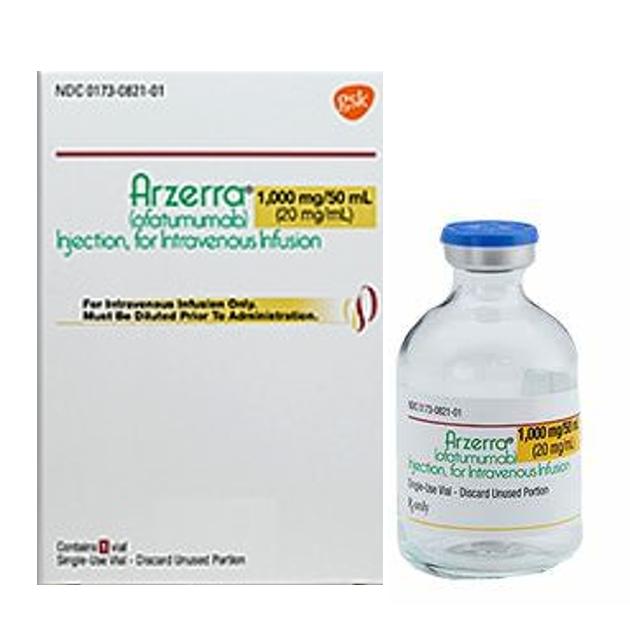
Ofatumumab (Arzerra) — anti-CD20 treatment for chronic lymphocytic leukaemia
What is ofatumumab in simple words
Ofatumumab is an antibody medicine. In oncology, the name is mainly connected with chronic lymphocytic leukaemia, or CLL.
It looks for CD20, a marker on many B-cells. CLL grows from B-cells, so this marker gives the drug a clear target.
It is not classic chemotherapy. The main practical issues are different: first-infusion reactions, infection risk, hepatitis B checks and whether newer CLL options would now be a better fit.
One more point matters. Ofatumumab is also used under another brand name in multiple sclerosis. That is a separate field. This page is about cancer and CLL treatment decisions.
How ofatumumab works
CD20 sits on the surface of mature B-cells. Ofatumumab attaches to CD20 and marks those cells for removal.
After that, the immune system can clear the marked cells. In CLL, the aim is to reduce the malignant B-cell population and slow the disease down.
The first infusion needs special attention. If there are many CLL cells in the blood, symptoms can appear early: chills, fever, rash, chest tightness, breathing trouble or a fall in blood pressure.
What conditions ofatumumab is used for
In cancer care, ofatumumab belongs mostly to the CLL and anti-CD20 discussion. It is not a broad drug for every lymphoma.
- chronic lymphocytic leukaemia, CLL;
- selected relapsed CLL;
- refractory CLL in older treatment pathways;
- CLL/SLL review when an anti-CD20 antibody is being considered;
- second opinion after rituximab or obinutuzumab exposure;
- review of an older Arzerra-based plan before starting it again.
The important thing is not simply that the patient has CLL. The current question is whether this particular antibody still makes sense today, after newer targeted treatments have changed CLL practice.
That is why a current review is needed. A plan that was reasonable ten years ago may still be useful in a narrow situation, or it may now be weaker than another option.
When ofatumumab may be especially relevant
Ofatumumab usually comes up when the CLL still has a useful CD20-positive target and the treatment history supports an antibody-based approach.
- CLL in a patient not suited to intensive treatment;
- relapse after a long treatment-free interval;
- previous benefit from an anti-CD20 antibody;
- need to compare Arzerra with rituximab or obinutuzumab;
- high lymphocyte count before planned infusion;
- infection-prone patient who needs a careful risk review;
- old CLL protocol that needs to be checked against current options.
Slow relapse after years of control is one type of case. CLL growing through active treatment is another. I would not treat those two situations with the same logic.
In practice, the strongest value of the consultation is often not saying yes or no to ofatumumab. It is deciding whether the whole treatment sequence still makes sense.
What needs to be checked before starting treatment
Before ofatumumab is started, the case should be checked from the beginning, not simply copied from an old letter.
- confirmed CLL diagnosis and current disease status;
- flow cytometry and CD20 expression;
- reason treatment is needed now;
- blood count and lymphocyte trend;
- lymph nodes, spleen size and symptoms;
- previous treatments and response duration;
- TP53 or del17p status if known;
- IGHV status when it affects planning;
- kidney and liver tests;
- hepatitis B screening;
- infection history and vaccination status;
- immunoglobulin level if infections repeat;
- tumour lysis risk;
- heart or lung problems before infusion.
Hepatitis B is not a small detail here. A past infection can become active again when B-cells are reduced. If the blood tests show risk, the plan changes before the first drip.
Tumour lysis is another practical issue. It is more likely when disease burden is high. The team may adjust hydration, monitoring and timing rather than rushing into treatment.
How treatment is carried out
Ofatumumab for CLL is given as an intravenous infusion in a clinic or day unit. The schedule depends on the exact CLL setting and on whether another medicine is part of the plan.
Premedication is usually given first. The first infusion is slow and carefully watched. Later infusions may be easier, but monitoring does not disappear.
During treatment, the team follows:
- temperature, pulse and blood pressure;
- breathing symptoms during the drip;
- rash, itching, chills or chest tightness;
- full blood count;
- kidney and liver results;
- electrolytes if tumour lysis is possible;
- signs of infection;
- CLL response in blood and lymph nodes;
- late neutropenia after treatment.
The patient should not sit quietly through symptoms during the infusion. Chills, tight chest, dizziness, back pain or shortness of breath should be reported while the drip is running.
Possible side effects
The side-effect picture depends on the full regimen. Ofatumumab alone is different from ofatumumab given with chemotherapy-type medicines.
- infusion reactions;
- fever, chills or flushing;
- rash or itching;
- shortness of breath during infusion;
- low neutrophils;
- anaemia or low platelets;
- chest, sinus or urinary infections;
- tiredness and body aches;
- nausea or diarrhoea;
- tumour lysis syndrome;
- hepatitis B reactivation;
- delayed immune recovery;
- rare severe skin reactions;
- rare serious brain infection symptoms.
The timing gives useful clues. Infusion reactions usually happen early. Infections and low counts may become more important later, including after the main treatment period has ended.
That is why follow-up blood tests still matter even when the patient feels reasonably well.
When to contact a doctor urgently
Contact the treating team quickly if any of these symptoms appear:
- fever or shaking chills;
- breathing difficulty;
- chest tightness or fainting;
- swelling of the lips, face or throat;
- new cough with fever;
- painful urination or signs of infection;
- yellow skin or dark urine;
- very little urine after treatment;
- severe nausea, cramps or weakness;
- unusual bruising or bleeding;
- confusion, speech problems or new weakness;
- painful mouth sores or blistering skin.
During infusion, tell the nurse immediately. At home, fever after anti-CD20 therapy should not be watched for several days before calling.
Why ofatumumab is not right for everyone
Ofatumumab should not be used just because a person has CLL. The reason has to be stronger than that.
- no clear CD20 target;
- active serious infection;
- hepatitis B risk not yet managed;
- very high tumour lysis risk;
- severe or persistent neutropenia;
- repeated serious infections;
- previous dangerous infusion reaction;
- frailty that makes the regimen unsafe;
- pregnancy or breastfeeding without specialist advice;
- a newer CLL option with a better risk-benefit balance.
This is where modern CLL planning matters. BTK inhibitors, venetoclax-based plans and obinutuzumab combinations have changed the order of choices. Ofatumumab may still have a place, but it has to earn that place.
If the recommendation is based only on an old protocol, I would want the case reviewed before treatment starts.
Can ofatumumab be combined with other treatments
Yes. In CLL, ofatumumab has been used in combination and extended-treatment approaches. The partner medicine changes the risk profile.
- with chlorambucil in less intensive CLL plans;
- with bendamustine in some treatment histories;
- with fludarabine and cyclophosphamide in selected relapsed settings;
- as extended treatment after response in recurrent CLL;
- with antiviral prevention when hepatitis B risk is present;
- with infection-support measures when immune recovery is slow.
The real decision is about the whole regimen. An antibody name on its own does not tell you enough about benefit, infection risk, blood-count recovery or the next line of treatment.
What ‘no quick response’ to treatment means
CLL response is often uneven. The lymphocyte count may change first. Nodes, spleen, fatigue, anaemia and platelets can take longer.
A stable early result is not automatically failure. I look at the trend: blood counts, symptoms, node size, infections and how the patient is tolerating treatment.
If CLL is clearly progressing, the plan should be reviewed. But one isolated blood result should not be treated as the whole story.
Oncology consultation for ofatumumab in Israel
At Tel Aviv Medical Clinic in Israel, patients can receive a haematology-oncology consultation on ofatumumab, Arzerra-related CLL plans and other current options for chronic lymphocytic leukaemia.
A consultation may be useful if you need to:
- understand whether ofatumumab fits the current CLL case;
- review CD20 status and flow cytometry;
- compare Arzerra with rituximab or obinutuzumab;
- separate oncology ofatumumab from Kesimpta used in multiple sclerosis;
- check whether a newer CLL option is more appropriate;
- review hepatitis B and infection safety;
- plan first-infusion precautions;
- discuss relapse after several prior treatments;
- prepare for a haematology second opinion in Israel;
- understand what questions to ask before starting therapy.
We do not replace the treating doctor. We help make the medical reasoning clear before the patient accepts, restarts or changes systemic CLL treatment.
Frequently Asked Questions — Dr. Stefanskoy
- Is ofatumumab the same as rituximab?
No. They are both anti-CD20 antibodies, but they are not the same drug. I would not choose between them by the name alone. I look at the CLL setting, previous response, infection risk and what the whole regimen is trying to achieve.
The past response matters a lot. If a patient had years of control after an anti-CD20 plan, that is one discussion. If the CLL progressed during treatment, repeating a similar idea needs much stronger justification.
- Is ofatumumab still used often in CLL?
Less often than before. Modern CLL treatment now includes targeted tablets and fixed-duration combinations, so older antibody-based plans need a fresh review.
That does not make ofatumumab irrelevant. It means the reason for using it should be clear: why this drug, why now, and why not a newer option. If those questions do not have good answers, the plan is weak.
- What is the difference between Arzerra and Kesimpta?
Both names relate to ofatumumab, but they belong to very different clinical worlds. Arzerra is the name most relevant to oncology and CLL. Kesimpta is used in multiple sclerosis and is handled by neurology.
This distinction matters because patients sometimes search the drug name and find MS information. That can be confusing. The dose, route, purpose and safety discussion are not the same as in CLL care.
- Is ofatumumab chemotherapy?
No. It is an antibody treatment. It attaches to CD20 on B-cells and helps the body remove those cells. Chemotherapy works in a broader way against fast-dividing cells.
Still, ofatumumab may be given with chemotherapy-type medicines. When that happens, the side effects come from the full plan: low counts, infections, fatigue, nausea and slower recovery. The patient needs to know the whole schedule, not only the antibody name.
- Why is hepatitis B testing needed before treatment?
Because reducing B-cells can allow an old hepatitis B infection to wake up again. A person may feel perfectly well and still carry blood markers from past exposure.
If those markers are present, treatment is not always cancelled. The team may add preventive medicine, monitor liver tests more closely or involve a liver specialist. What should not happen is starting without checking.
- Why is the first infusion watched so closely?
The first infusion is the one most likely to cause a reaction. This is especially true when there are many CLL cells in the blood. Chills, fever, rash, tight chest, breathing symptoms or pressure changes can appear quickly.
That is why the drip starts slowly and premedication is used. It is not a formality. It is how the team keeps a manageable reaction from becoming dangerous.
- What happens if CLL progresses after ofatumumab?
The next step should start with a fresh review. I would look again at symptoms, blood counts, lymph nodes, spleen size, response length, TP53 or del17p status if known, infection history and the patient’s fitness.
Possible options may include a targeted tablet, a venetoclax-based plan, another antibody strategy, a clinical trial or supportive care if the patient is too frail. The right answer depends on the CLL biology and what the person can safely tolerate now.
Important information
This page is for general medical information only. It is not a personal treatment recommendation.
Ofatumumab should be used only under the care of an oncology or haematology team that has reviewed the diagnosis, CD20 status, previous treatment, infection risk, blood tests and general condition of the patient.
Do not start, stop or change treatment without speaking to your treating doctor.
To arrange an oncology consultation regarding ofatumumab and CLL treatment options in Israel:
📞 +972-73-374-6844
📧 [email protected]
💬 WhatsApp: +972-52-337-3108