


 Contact Us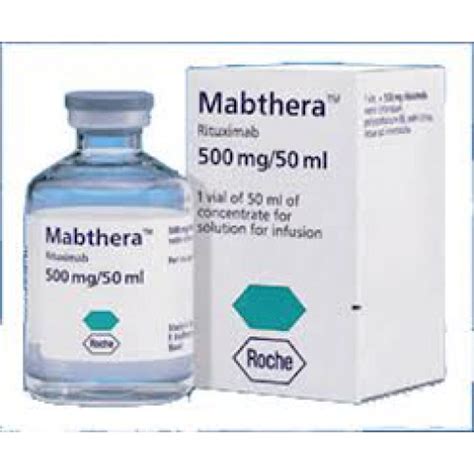
Rituximab (MabThera) — anti-CD20 therapy for lymphoma and CLL treatment
What is rituximab (MabThera) in simple words
Rituximab, sold in many countries as MabThera, is an antibody treatment. Its target is CD20 — a marker sitting on many B-cells.
That sounds technical, but the idea is fairly direct. If a lymphoma or leukaemia is built from CD20-positive B-cells, rituximab helps the immune system remove those cells. Not all at once. Not magically. But often enough to change the course of treatment.
It is not chemotherapy. Still, patients often receive it together with chemotherapy, so the experience may feel like both things at the same time.
Outside oncology, the same drug is used in some autoimmune diseases. Different setting, same basic reason: B-cells can be part of the problem.
How rituximab works
Rituximab attaches to CD20 on B-cells. Once attached, it flags those cells for destruction. The body can then clear them through several routes: immune-cell attack, complement activation, and direct cell-death signals.
Plasma cells are mostly left alone because they usually do not carry CD20. That is one reason rituximab does not erase every antibody in the body overnight.
In lymphoma or CLL, the target is the malignant B-cell population. In rheumatoid arthritis, vasculitis or pemphigus, the aim is to quiet the B-cell activity feeding inflammation.
The first infusion is the one I take most seriously. If the patient has a large tumour burden or many circulating B-cells, the body may react strongly when treatment starts.
What conditions rituximab is used for
MabThera is used in blood cancers and several immune diseases. Main approved uses include:
- follicular lymphoma;
- diffuse large B-cell lymphoma;
- chronic lymphocytic leukaemia;
- some paediatric CD20-positive aggressive B-cell lymphomas;
- severe rheumatoid arthritis, usually with methotrexate;
- granulomatosis with polyangiitis and microscopic polyangiitis;
- moderate to severe pemphigus vulgaris.
In lymphoma, the drug is rarely discussed without the pathology report in front of us. CD20 staining matters. So does the exact lymphoma subtype.
For diffuse large B-cell lymphoma, the well-known regimen is R-CHOP. For follicular lymphoma, rituximab may be used with chemotherapy and later as maintenance after a response. In CLL, it belongs to specific treatment strategies, not every modern CLL plan.
When rituximab may be especially relevant
The strongest logic is simple: CD20-positive B-cell disease.
- newly diagnosed diffuse large B-cell lymphoma treated with R-CHOP;
- advanced follicular lymphoma needing systemic treatment;
- maintenance after response in follicular lymphoma;
- relapsed CD20-positive lymphoma;
- selected CLL cases where an anti-CD20 regimen still fits;
- autoimmune disease where B-cell depletion is a standard option.
One mistake I see is treating “B-cell lymphoma” as one category. It is not. Indolent follicular lymphoma and aggressive DLBCL are different conversations, even if rituximab appears in both.
Another detail: prior rituximab exposure matters. If the disease relapsed quickly after a rituximab-based plan, I want to know how quickly, whether CD20 is still present, and what alternatives are available.
What needs to be checked before starting treatment
Before MabThera is started, the team should have the basics pinned down:
- confirmed diagnosis;
- CD20 expression on pathology;
- lymphoma or CLL subtype;
- stage and tumour burden;
- CT, PET-CT, blood or bone marrow results, depending on the disease;
- full blood count;
- kidney and liver function;
- hepatitis B tests — HBsAg and anti-HBc;
- hepatitis C and HIV testing when relevant;
- immunoglobulin levels if repeated courses are expected;
- current infection symptoms;
- vaccination status;
- heart and lung history;
- previous reaction to monoclonal antibodies.
Hepatitis B is not a small footnote here. Rituximab can reactivate old HBV infection, including infection the patient no longer thinks about. If the markers are positive, prevention and monitoring need to be planned before treatment.
Vaccines are another practical issue. Once B-cells are depleted, vaccine response may be weak for months. This is better discussed before the first dose, not halfway through treatment.
How treatment is carried out
MabThera is usually given as an intravenous infusion. In some lymphoma settings, a subcutaneous form may be used later, but only after a full intravenous dose has been tolerated.
Before the infusion, patients usually receive premedication — paracetamol, an antihistamine and often a steroid. The first infusion is slow on purpose.
Nurses watch blood pressure, pulse, temperature and breathing. If chills, fever, rash, throat tightness or breathlessness appear, the infusion can be stopped, treated and restarted more slowly.
Monitoring during treatment usually includes:
- blood counts;
- liver and kidney tests;
- infection checks;
- response assessment by scan or blood tests;
- immunoglobulin checks during longer treatment;
- watching for late neutropenia after therapy.
The schedule depends on the disease. R-CHOP, CLL treatment, follicular lymphoma maintenance, vasculitis and pemphigus do not use the same rhythm. Same antibody, different plan.
Possible side effects
Rituximab side effects fall into two rough groups: infusion problems and immune-system consequences later.
- fever, chills or flushing during infusion;
- rash, itching or throat tightness;
- low blood pressure during infusion;
- shortness of breath or wheezing;
- infections;
- hepatitis B reactivation;
- low white blood cells, including late neutropenia;
- headache, nausea or fatigue;
- low immunoglobulin levels after repeated treatment;
- rare severe skin or mucosal reactions;
- rare PML — a serious brain infection;
- heart symptoms in patients with cardiac risk.
Most infusion reactions happen with the first dose. Later infusions are often easier, but “often” is not the same as “always”.
The delayed risks are easier to miss. Fever, shingles-like rash, persistent cough, confusion, unusual weakness or repeated infections should not be brushed aside after rituximab.
When to contact a doctor urgently
Contact the treating team quickly if any of the following occur:
- fever, shaking chills or breathing trouble during infusion;
- throat swelling, wheezing or chest tightness;
- fainting or a sudden fall in blood pressure;
- chest pain or irregular heartbeat;
- fever after going home;
- persistent cough or signs of infection;
- yellow skin or dark urine;
- severe abdominal pain;
- new confusion, vision changes or trouble walking;
- painful blisters, mouth sores or peeling skin;
- unusual bruising or bleeding.
During the infusion, tell the nurse immediately. Not after the bag is finished. Immediately. Outside the clinic, fever and new neurological symptoms deserve same-day advice.
Why rituximab is not right for everyone
Rituximab is not a universal “lymphoma drug”. It needs the right target and the right patient.
- CD20-negative disease;
- active serious infection;
- untreated or uncontrolled hepatitis B risk;
- very low immunoglobulins with repeated infections;
- previous severe rituximab reaction;
- unstable heart or lung disease;
- frailty that makes the full combination regimen unsafe;
- pregnancy or breastfeeding questions needing specialist review.
Sometimes the problem is not rituximab itself but the treatment partner. A frail patient with aggressive lymphoma may not tolerate full-dose chemotherapy, even if anti-CD20 therapy is biologically sensible.
In autoimmune disease, I ask a different question: is B-cell depletion really needed now, or is infection risk higher than the expected benefit?
Can rituximab be combined with other treatments
Yes. In cancer treatment, rituximab is very often part of a combination rather than a standalone drug.
- R-CHOP for diffuse large B-cell lymphoma;
- rituximab with chemotherapy in follicular lymphoma;
- rituximab maintenance after induction response;
- rituximab-based chemoimmunotherapy in selected CLL cases;
- rituximab with methotrexate in rheumatoid arthritis;
- rituximab with corticosteroids in vasculitis or pemphigus vulgaris.
The partner drug changes everything: side effects, duration, blood-count risk, infection risk and the aim of treatment.
Biosimilars are also widely used. They can be appropriate, but I like the exact product name written clearly in the record, especially when a patient moves between clinics or countries.
What ‘no quick response’ to treatment means
Rituximab is not judged after one infusion in most diseases. In DLBCL, response is assessed after planned chemotherapy cycles. In follicular lymphoma and CLL, improvement can be slower.
In autoimmune disease, symptoms may lag behind the blood picture. B-cells can drop before joints, vessels or skin clearly improve.
So the question is not only “did it work fast?” The better question is: what was the treatment goal — shrinkage, remission, blood-count control, maintenance, or reduction of inflammation? Each goal has its own timeline.
Oncology consultation for rituximab (MabThera) in Israel
At Tel Aviv Medical Clinic in Israel, consultations are available for patients considering rituximab-based therapy for lymphoma, CLL and other CD20-positive B-cell diseases.
A consultation may be useful if you need to:
- confirm CD20-positive pathology;
- review lymphoma or CLL subtype;
- compare rituximab-based regimens;
- understand maintenance therapy after response;
- review hepatitis B screening and infection risk;
- discuss relapse after previous rituximab;
- get a second opinion before chemotherapy plus rituximab;
- plan next steps after partial response or progression.
We do not prescribe remotely or replace your treating physician. We help make the treatment logic clear, especially when the decision involves chemotherapy, maintenance, relapse or infection risk.
Frequently Asked Questions — Dr. Stefanskoy
- Is rituximab chemotherapy?
No. Rituximab is an antibody against CD20. In lymphoma, though, it is often given with chemotherapy. So a patient may still feel chemotherapy side effects because of the regimen, not because rituximab is chemotherapy.
- Why does CD20 matter?
Because CD20 is the target. If the malignant cells do not show CD20, rituximab has no useful place to attach. I want to see the pathology and immunohistochemistry, not only the diagnosis name.
- Why is the first infusion so slow?
The first dose carries the highest reaction risk. Chills, fever, rash, pressure changes and breathing symptoms are most common early. Slow infusion is safety work, not wasted time.
- Can rituximab reactivate hepatitis B?
Yes. This is one of the big checks before treatment. If HBV markers are positive, antiviral prevention and monitoring may be needed. I would rather delay a little and do this properly than discover it later.
- How long does the effect last?
B-cells may stay low for months. That is useful for treatment, but it also affects infection risk and vaccine response. The last infusion is not always the end of monitoring.
- What happens if lymphoma comes back after rituximab?
It depends on the subtype, timing, CD20 status and what was used before. Sometimes another anti-CD20 plan is reasonable. Sometimes the discussion moves to targeted drugs, CAR-T, bispecific antibodies, transplant or a clinical trial.
- Is MabThera different from rituximab biosimilars?
MabThera is the original rituximab brand in many countries. Biosimilars are designed to be highly similar and are commonly used. The exact product should still be documented clearly.
Important information
This page is for general medical information only. It is not a treatment recommendation and cannot replace a consultation with a qualified doctor.
Rituximab (MabThera) should only be used after review of diagnosis, CD20 status, stage, previous treatment, infection risk, hepatitis B markers, blood tests and overall condition.
Do not start, stop or change treatment without speaking to your treating physician.
To arrange an oncology consultation regarding rituximab-based therapy in Israel:
📞 +972-73-374-6844
📧 [email protected]
💬 WhatsApp: +972-52-337-3108