


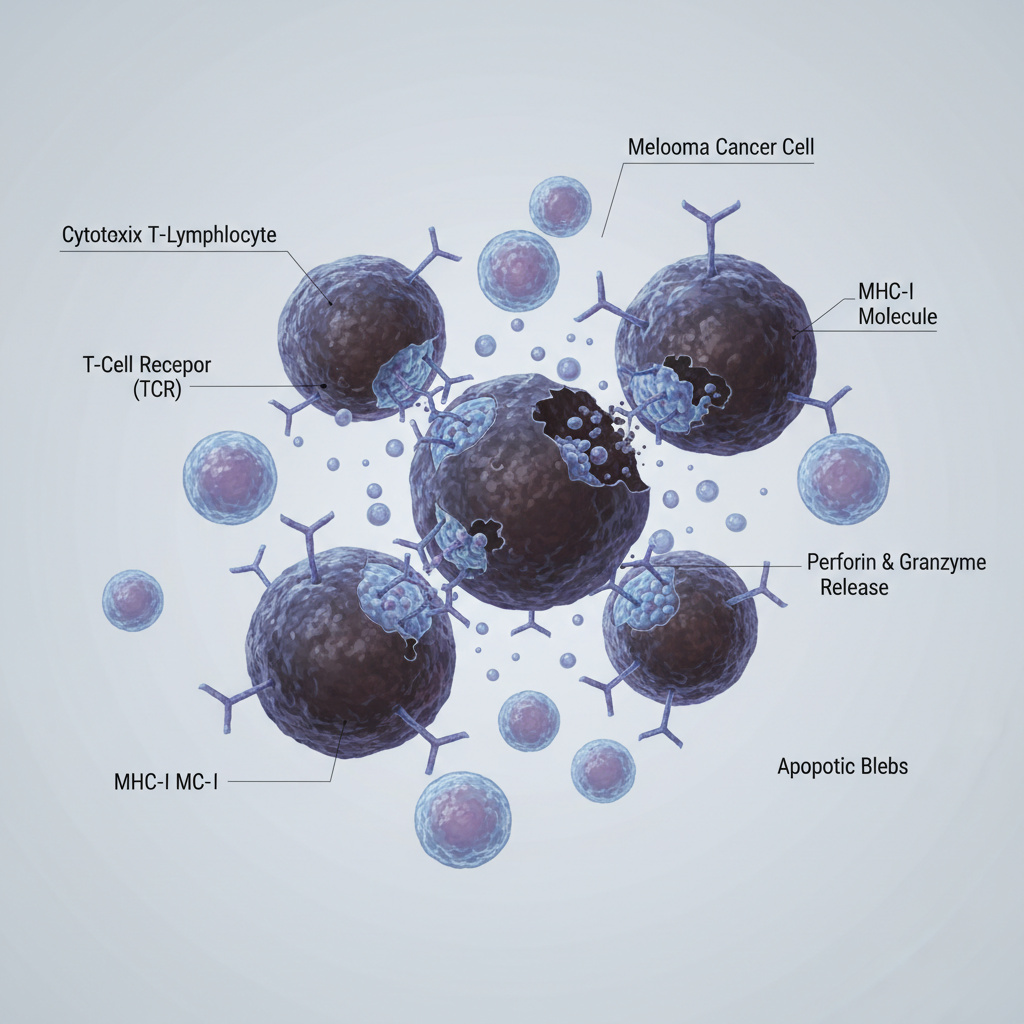
Innovative Therapy for Melanoma
Urologic Oncology – Expert Consultations for Genitourinary Cancers
Urologic oncology focuses on cancers of the urinary and reproductive systems — including the prostate, bladder, kidneys, and testicles.
At Tel Aviv Medical Clinic, our specialists provide private, personalized consultations, helping patients understand their diagnosis, explore treatment options, and plan the next step with confidence.
We do not replace hospital treatment — we guide, explain, and help you make informed decisions together with Israel’s leading oncologists and urologic surgeons.
What Is Urologic Oncology?
This field combines two areas of expertise — urology and oncology.
It deals with tumors that develop in the organs responsible for urination and male reproduction.
Some of these cancers are slow-growing and discovered early through routine testing,
while others are aggressive and require rapid evaluation.
Our role is to make sure you’re not facing these questions alone:
to translate medical reports, clarify the implications, and connect you with the right specialists for your case.
Common Cancers Evaluated in Our Clinic
Prostate Cancer
One of the most common cancers in men.
Early detection through PSA testing and MRI can significantly improve outcomes.
We help interpret results, review biopsy findings, and discuss options — from active surveillance to targeted therapy and modern radiotherapy.
Bladder Cancer
This cancer often presents with blood in the urine or frequent urination.
Our experts guide patients through imaging, cystoscopy results, and pathology reports,
explaining treatment paths such as intravesical therapy or minimally invasive surgery.
Kidney Cancer
Usually discovered incidentally during imaging, kidney tumors can vary greatly in behavior.
We provide counseling on surgical and non-surgical approaches — including robotic partial nephrectomy or ablative techniques.
Testicular and Penile Cancers
Though rare, these require fast and precise evaluation.
We assist with staging, interpretation of tumor markers, and coordination of multidisciplinary follow-up.
How Diagnosis and Evaluation Are Performed
Every patient begins with a thorough review of prior imaging and lab results.
We analyze MRI, CT, PET-CT, and pathology reports, often using advanced molecular and genetic profiling to refine the diagnosis.
Our clinic collaborates with Israel’s leading oncology and urology centers,
allowing patients to access the best diagnostic tools while receiving personal, attentive guidance at every step.
Advanced Treatment Approaches and Innovations
While treatment is carried out in hospitals, our team helps patients navigate between the various options:
- Robotic and minimally invasive surgeries (e.g., robotic prostatectomy, laparoscopic nephrectomy)
- Targeted and biological therapies that act precisely on cancer cells
- Immunotherapy for advanced or recurrent disease
- Precision radiotherapy, including IMRT, SBRT, and brachytherapy
- Combined protocols for complex cases
We explain what each therapy involves, what to expect, and how to prepare — in clear language, without medical jargon.
Multidisciplinary Care and Patient Support
Each case is reviewed in collaboration with urologists, oncologists, radiologists, and pathologists.
This team-based approach ensures that every aspect of care — medical, emotional, and logistical — is considered.
Beyond the science, our mission is to offer emotional stability.
Many patients arrive anxious and overwhelmed by terminology; our doctors take time to explain calmly,
helping each person feel in control and supported throughout the process.
Contact form

Prof. Dvora Blumenthal
Neurology
Oncology
Neurologist, neuro-oncologist, head of the neuro-oncology department

Dr. Alexandra Bittan
Oncology
Radiotherapy
Neuro-oncologist and radiosurgery expert

Dr. Amir Sternheim
Onco - Orthopedics
Oncology
Leading Orthopedic Oncologist in Tel Aviv

Dr. Orit Gotfeld
Oncology
Radiotherapy
Radiation Oncologist Specializing in Head & Neck Tumors

Dr. Roman Meirovitz
Oncology
Leading Israeli Oncologist for Lung and Gastrointestinal Cancers

Dr. Stefansky Irena
Oncology
Breast and Gastrointestinal Cancer Specialist

Dr. Daniel Keizman
Oncology
Oncologist and Head of the Urologic Oncology Unit at Ichilov Medical Center

Dr. Yael Bar
Oncology
Medical Oncologist | Breast Cancer Specialist

Dr. Felix Bukshtein
Neurology
Oncology
Senior Neurologist & Neuro-Oncology Specialist

Dr. Inna Ospovat
Oncology
Radiotherapy
Oncologist, radiologist, head of the pediatric radiology department

Dr. Dror Levin
Hematology
Oncology
Pediatric Hematologist–Oncologist | Blood Disorders and Sarcomas in Children

Dr. Postovsky Sergey
Hematology
Onco - Orthopedics
Oncology
Director of Pediatric Hematology-Oncology at Maimonides Medical Center

Prof. Ofer Merimsky
Oncology
Oncologist, Deputy Director of the Oncology Center, Head of Bone and Soft Tissue Oncology Unit

Prof. Ravit Geva
Oncology
Medical Oncologist | Gastrointestinal Cancer Specialist

Dr. Tatiana Rabin
Oncology
Radiotherapy
Senior Oncology Specialist, Director of the Gynecological Oncology and Brachytherapy Service of the Oncology Department

Dr. David Sarid
Oncology
Oncologist, head of oncological urology, oncology system

Prof. Tamar Safra
Oncology
Gynecologist, oncologist, head of the gynecological oncology service at the oncology department
What diseases does Neurosurgery Department treat?
- Kidney cancer
- Adrenal cortex cancer
- Testicular cancer
- Bladder cancer
- Penile cancer
- Prostate cancer
Frequently Asked Questions — Dr. Avi Berry Answers
1. Can the Gleason score really change the decision about surgery?
Yes, it can. The Gleason score tells us how aggressive the cancer looks under the microscope.
When it’s low — like 6 — we often don’t rush into surgery. We just watch closely, do PSA and MRI every few months.
But if it’s higher — 7 or above — that means the cells are more active, more unpredictable, and then we start talking about surgery or radiation.
Still, it’s not just the score. I always look at your age, your PSA trend, how you feel. It’s the full picture, not just one number.
2. Why did my first biopsy say “benign” and the second one “malignant”?
Happens more often than people think.
The first biopsy takes samples from different spots in the prostate — sometimes it just misses the small tumor.
The second one, especially when guided by MRI, goes right into the suspicious area.
It doesn’t mean the lab was wrong. It’s just that the first time, the needle didn’t hit the right place. The second time, it did.
3. When is surgery really the right thing to do?
Usually when the cancer is still inside the prostate — before it spreads.
That’s when surgery gives you the best chance of long-term control.
Younger men, or those with higher Gleason grades, often benefit more.
But some guys, especially older ones or those with slower cancer, can just keep it under close follow-up.
It’s not about “right or wrong,” it’s about what fits you — your age, your life, your priorities.
4. What treatment options are available for prostate cancer?
There are a few, and we always tailor them.
Sometimes we just monitor it — what we call “active surveillance.”
Other times, surgery is the best choice.
Then there’s radiation — either external beams or brachytherapy.
Hormone therapy helps when we want to slow things down.
And for advanced or resistant cases, we now have amazing options like targeted therapy or immunotherapy.
The idea is not to throw everything at once — it’s to do what works, with the least impact on your life.
5. Can I get treatment here at the clinic?
Yes’ of course.
6. If I already have a diagnosis, should I still come?
Absolutely. That’s actually when a second opinion helps the most.
Sometimes it confirms you’re on the right track.
Other times it opens another door you didn’t know was there.
7. Are my results kept confidential?
Of course. Everything you bring here — scans, reports, your story — stays between us.
We don’t share it with anyone unless you want us to.
Schedule a Consultation
To schedule a private consultation with a urologic oncology specialist at Tel Aviv Medical Clinic:
📞 Phone: +972-73-374-6844
💬 WhatsApp: +972-52-337-3108
📧 Email: [email protected]


Contact form


