


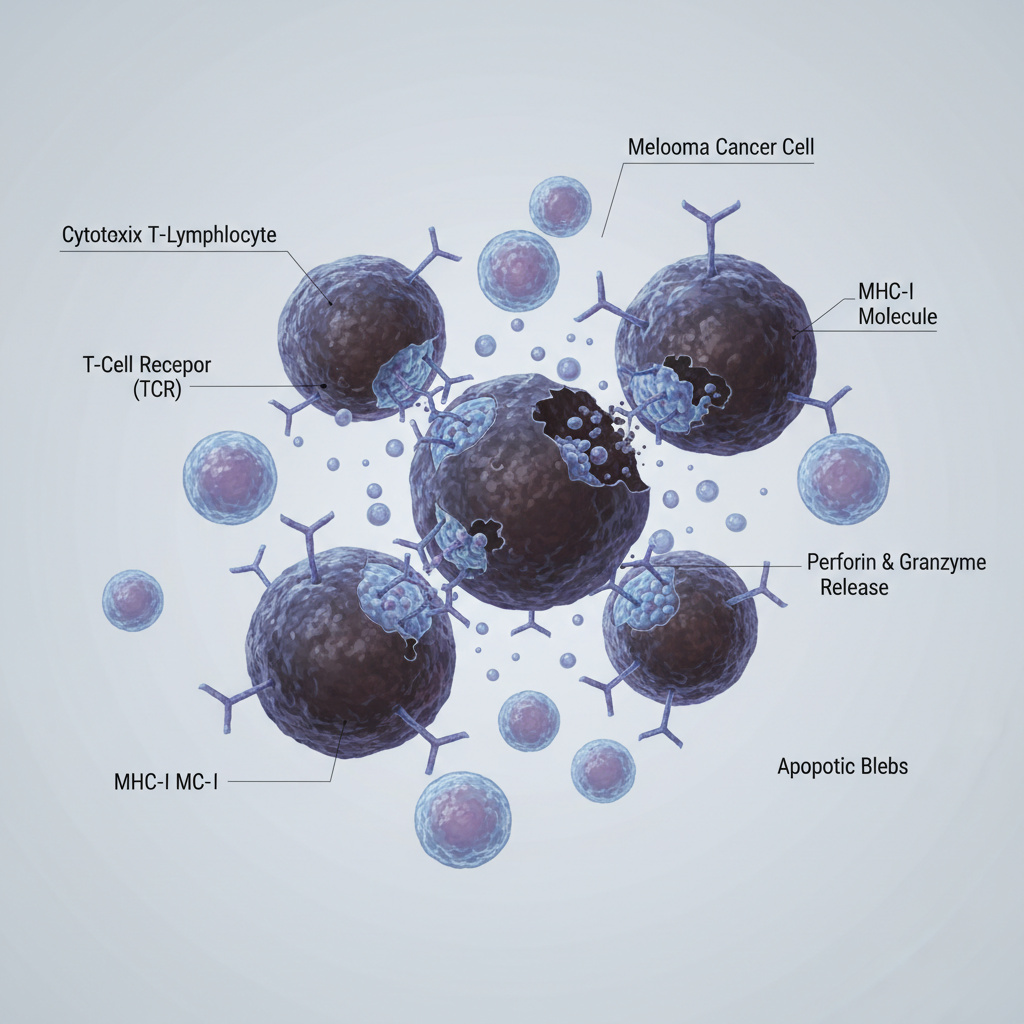
Innovative Therapy for Melanoma
Prostate cancer is one of the most common cancers in men. In many cases, the disease develops slowly and may not cause noticeable symptoms in the early stages. This is why many patients learn about the diagnosis unexpectedly — during routine testing or after an elevated PSA level.
The risk of developing prostate cancer increases with age. Men over 50, especially those with a family history of prostate cancer, should pay particular attention to regular screening. Early detection often plays a key role and, in many cases, can significantly affect prognosis.
In recent years, the approach to prostate cancer has changed considerably. Today, treatment is selected individually — taking into account the stage of the disease, tumor characteristics, patient age, and overall health.
Prostate Cancer Specialists
Consultations for prostate cancer diagnosis and treatment are conducted by specialists with extensive experience in managing complex oncological cases.
The team includes:
Dr. Daniel Keizman — medical oncologist specializing in genitourinary cancers. With more than 15 years of clinical experience, Dr. Keizman serves as a senior physician at the oncology department of Ichilov Medical Center (Tel Aviv). He focuses on prostate cancer treatment, including modern systemic and combination therapies.
Dr. David Sarid — medical oncologist with over 20 years of experience in oncology. Dr. Sarid works at Ichilov Medical Center and specializes in personalized treatment strategies, including advanced systemic therapies for prostate cancer.
Dr. Avi Bery — leading urologic surgeon with more than 20 years of experience in urologic surgery. Senior physician at the urology department of Ichilov Medical Center. Specializes in surgical treatment of prostate cancer, including laparoscopic and robotic procedures.
Dr. Tatiana Rabin — radiation oncologist with extensive experience in cancer treatment. Senior physician at the radiation oncology institute of Ichilov Medical Center. Specializes in advanced radiation therapy techniques for prostate cancer.
Treatment decisions are made through a multidisciplinary approach involving medical oncologists, urologists, and radiation oncologists. This allows for a comprehensive evaluation and helps select the most appropriate treatment strategy.
In complex cases, treatment options may be discussed at a multidisciplinary tumor board. This approach is particularly important in non-standard or advanced clinical situations.
Patients may also be considered for clinical trials, providing access to innovative therapies that may not yet be widely available.
When to See a Doctor
Prostate cancer may develop without noticeable symptoms. However, certain signs should not be ignored.
You should consider consulting a specialist if you experience:
- difficulty urinating
- frequent urination at night
- weak urine stream
- feeling of incomplete bladder emptying
- blood in urine or semen
- pelvic or lower back pain
- unexplained weight loss
These symptoms may also be associated with benign prostate enlargement, but proper evaluation is essential.
Risk Factors
The exact causes of prostate cancer are not fully understood. However, several factors are known to increase risk:
- Age — risk increases significantly after 50
- Family history — especially if diagnosed at a younger age
- Hormonal factors — some tumors are hormone-dependent
- Lifestyle factors — obesity, low physical activity, and diet high in animal fats
In some cases, no specific risk factors are identified.
Symptoms of Prostate Cancer
Early-stage prostate cancer often has no symptoms. This is why regular screening is important.
Common symptoms include:
- frequent urination
- difficulty urinating
- weak urine stream
- incomplete bladder emptying
- pelvic pain
- blood in urine
- erectile dysfunction
Advanced disease may cause:
- bone pain
- fatigue
- weight loss
- anemia
These symptoms do not always indicate cancer but should not be ignored.
Modern Diagnosis of Prostate Cancer
Diagnosis usually begins with a consultation and evaluation of symptoms.
Common diagnostic tests include:
- PSA blood test
- Digital rectal examination
- Prostate MRI
- Prostate biopsy
- PSMA PET-CT
- CT or MRI
Modern diagnostic tools allow earlier detection and more precise treatment planning.
Genetic Testing
In certain cases, molecular or genetic testing may be recommended to better understand tumor characteristics.
Genetic testing may help:
- determine tumor aggressiveness
- identify targeted therapy options
- assess hereditary cancer risk
This approach is particularly important in complex or advanced cases.
Modern Treatment Options
Treatment for prostate cancer is always selected individually. The decision depends on the stage of the disease, how aggressive the tumor appears to be, PSA levels, imaging findings, the patient’s age, overall health, and sometimes the results of molecular testing.
In practice, there is no single treatment plan that fits everyone. In some men, the tumor grows very slowly and can be monitored. In others, treatment needs to begin without delay.
- Active Surveillance
In some cases, prostate cancer grows slowly and does not require immediate treatment. When the tumor appears low-risk and there are no clear signs of aggressive behavior, the doctor may recommend active surveillance.
This does not mean ignoring the disease. It means following it carefully and stepping in if the picture changes.
Active surveillance usually includes:
- regular PSA testing
- repeat imaging, often prostate MRI
- follow-up consultations
- in some cases, repeat biopsy
For many patients, this approach feels emotionally difficult at first. That is understandable. Once a person hears the word “cancer,” the natural reaction is to want it removed as quickly as possible. Still, in selected cases, careful monitoring may be a better option than rushing into surgery or radiation.
- Surgery
Radical prostatectomy is one of the main treatment options for localized prostate cancer.
Surgery is usually considered when the tumor is still confined to the prostate, especially if there are signs that it may behave more actively over time. The decision is based on several factors, including tumor grade, PSA level, age, coexisting medical conditions, and estimated life expectancy.
The goal of surgery is to remove the tumor completely and reduce the risk of further spread.
Modern procedures may be performed:
- laparoscopically
- with robotic assistance, including Da Vinci surgery
These approaches can reduce surgical trauma, shorten recovery time, and lower the risk of some complications. In selected cases, modern surgical techniques may also help preserve urinary control and sexual function, which is an important part of treatment planning.
- Radiation Therapy
Radiation therapy is used in several different clinical situations.
It may be recommended:
- as the main treatment, when the tumor is localized and surgery is not the preferred option
- after surgery, if there is a higher risk of recurrence
- in more advanced disease, to help control cancer and reduce symptoms
The choice depends on tumor stage, imaging results, PSA dynamics, patient age, and general condition.
Modern radiation techniques allow treatment to be delivered with greater precision while limiting exposure to surrounding tissues.
These methods may include:
- IMRT
- 3D conformal radiation therapy
- radiosurgery, including CyberKnife
- brachytherapy
In localized or locally advanced prostate cancer, radiation therapy can be a highly effective treatment option.
- Minimally Invasive Treatments
In selected cases, minimally invasive local treatments may also be considered.
HIFU uses high-intensity focused ultrasound to destroy tumor tissue without open surgery. This option is usually considered in carefully selected patients with localized disease or in specific clinical settings where a focal approach may be appropriate.
Not every patient is a candidate for HIFU. The decision depends on tumor location, extent of disease, prior treatment, and imaging findings.
- Medical Treatment
Drug-based treatment plays an important role in prostate cancer care, especially in advanced, recurrent, or biologically active disease.
The exact treatment plan depends on how far the disease has spread, how quickly it is progressing, what treatments have already been used, and whether the tumor has specific molecular features.
- Hormonal Therapy
Hormonal therapy is commonly used in hormone-sensitive prostate cancer. Its main goal is to reduce the effect of testosterone, which can stimulate tumor growth.
Hormonal treatment may be used on its own, together with radiation therapy, before or after other treatments in advanced or metastatic disease
For many patients, this becomes an important part of long-term disease control.
- Chemotherapy
Chemotherapy is usually considered in more advanced stages of prostate cancer, particularly when the disease no longer responds adequately to hormonal therapy.
Its purpose is not simply to “give strong treatment,” but to slow progression, reduce symptoms, and help maintain quality of life where possible.
- Targeted Therapy
In some patients, targeted treatment may be considered if molecular testing reveals specific genetic or biological features of the tumor.
This is one reason why additional molecular testing can be important. It may open the door to treatment options that would otherwise not be considered.
- Immunotherapy
Immunotherapy is not used in every case of prostate cancer, but in selected situations it may be relevant, especially in advanced disease or within clinical trials.
Its role is to help the immune system recognize and respond to cancer more effectively.
- Clinical Trials
For some patients, clinical trials are worth considering.
This can be especially important in advanced disease, in cases where standard treatment options have already been used, or when molecular findings suggest a possible benefit from newer therapies.
A clinical trial is not the right choice for everyone. But in certain situations, it may provide access to treatment strategies that are not yet part of routine practice.

Prof. Dvora Blumenthal
Neurology
Oncology
Neurologist, neuro-oncologist, head of the neuro-oncology department

Dr. Alexandra Bittan
Oncology
Radiotherapy
Neuro-oncologist and radiosurgery expert

Dr. Amir Sternheim
Onco - Orthopedics
Oncology
Leading Orthopedic Oncologist in Tel Aviv

Dr. Orit Gotfeld
Oncology
Radiotherapy
Radiation Oncologist Specializing in Head & Neck Tumors

Dr. Roman Meirovitz
Oncology
Leading Israeli Oncologist for Lung and Gastrointestinal Cancers

Dr. Stefansky Irena
Oncology
Breast and Gastrointestinal Cancer Specialist

Dr. Daniel Keizman
Oncology
Oncologist and Head of the Urologic Oncology Unit at Ichilov Medical Center

Dr. Yael Bar
Oncology
Medical Oncologist | Breast Cancer Specialist

Dr. Felix Bukshtein
Neurology
Oncology
Senior Neurologist & Neuro-Oncology Specialist

Dr. Inna Ospovat
Oncology
Radiotherapy
Oncologist, radiologist, head of the pediatric radiology department

Dr. Dror Levin
Hematology
Oncology
Pediatric Hematologist–Oncologist | Blood Disorders and Sarcomas in Children

Dr. Postovsky Sergey
Hematology
Onco - Orthopedics
Oncology
Director of Pediatric Hematology-Oncology at Maimonides Medical Center

Prof. Ido Wolf
Oncology
Ведущий онколог Израиля, специалист в области опухолей желудочно-кишечного тракта

Prof. Ofer Merimsky
Oncology
Oncologist, Deputy Director of the Oncology Center, Head of Bone and Soft Tissue Oncology Unit

Prof. Ravit Geva
Oncology
Medical Oncologist | Gastrointestinal Cancer Specialist

Dr. Tatiana Rabin
Oncology
Radiotherapy
Senior Oncology Specialist, Director of the Gynecological Oncology and Brachytherapy Service of the Oncology Department

Dr. David Sarid
Oncology
Oncologist, head of oncological urology, oncology system

Prof. Tamar Safra
Oncology
Gynecologist, oncologist, head of the gynecological oncology service at the oncology department
How Treatment is Selected
Treatment for prostate cancer is always personalized. Doctors evaluate several factors together before recommending the most appropriate approach. The goal is to choose a treatment that is both effective and suitable for the individual patient.
Stage of the Disease
The stage determines how far the cancer has developed. Localized tumors may be treated with surgery, radiation therapy, or active surveillance. More advanced disease may require systemic treatments such as hormonal therapy or other medical options.
Tumor Aggressiveness
Not all prostate cancers behave the same way. Some grow slowly, while others progress more quickly. Doctors evaluate biopsy results, Gleason score, PSA levels, and imaging findings to understand how aggressive the tumor may be.
Age and Overall Health
Age and general health are also important. In some cases, treatment focuses on long-term control. In others, maintaining quality of life and minimizing side effects may become the priority.
PSA Level and Imaging Results
PSA levels and imaging studies such as MRI or PSMA PET-CT help determine disease extent and guide treatment decisions.
Second Opinion
In complex situations, a second opinion and review of imaging or pathology may help clarify the best treatment strategy and provide additional options.
Prognosis
Prognosis in prostate cancer depends mainly on the stage of the disease and the biological characteristics of the tumor. In many cases, prostate cancer develops slowly, and when detected early, treatment can be highly effective.
For localized prostate cancer, outcomes are often very favorable, and many patients can live for years without disease progression. Even in more advanced stages, modern treatment options may help control the disease, reduce symptoms, and maintain quality of life.
Other factors that may influence prognosis include PSA level, Gleason score, response to treatment, and overall health. This is why each case is evaluated individually, and treatment decisions are tailored accordingly.
Early detection remains one of the most important factors, as it often provides more treatment options and better long-term outcomes.
Schedule a Consultation
For consultation with a prostate cancer specialist:
📞 Phone: +972-73-374-6844
📧 Email: [email protected]
💬 WhatsApp: +972-52-337-3108
Frequently Asked Questions — Dr. Keizman Answers
1. When should I start screening for prostate cancer?
In most cases, I recommend starting PSA testing around the age of 50.
But honestly, I often suggest earlier screening — especially if there is a family history.
If your father or brother had prostate cancer, I usually advise starting around age 45. Sometimes even earlier, depending on the situation.
This doesn’t mean something is wrong. It’s simply about being cautious. Prostate cancer often develops slowly, and when we detect it early, we usually have more options and more time to make thoughtful decisions.
2. Does an elevated PSA always mean cancer?
No — and this is something I explain to patients almost every day.
An elevated PSA can happen for many reasons.
For example:
- benign prostate enlargement
- inflammation
- recent physical activity
- even certain medical procedures
So when I see a high PSA result, I don’t jump to conclusions.
First, I look at the full picture — your age, PSA trend over time, MRI results, and other factors.
Sometimes we just repeat the test.
Sometimes we move to imaging.
And only in selected cases do we recommend a biopsy.
3. Is prostate cancer always aggressive?
Not always. In fact, many prostate cancers grow slowly.
This is why we sometimes recommend active surveillance instead of immediate treatment.
I know this idea can sound uncomfortable at first — patients often ask, “How can we not treat cancer?”
But in selected cases, monitoring carefully may actually be the safest option.
We follow PSA levels, imaging, and symptoms — and intervene only if needed.
4. What are the modern treatment options today?
Today, we have several treatment approaches, and they’re very different from what we had even 10–15 years ago.
Depending on the case, treatment may include:
- surgery
- radiation therapy
- hormonal therapy
- targeted therapy
- chemotherapy
- clinical trials
The important thing is that treatment is no longer one-size-fits-all.
We tailor it based on the individual patient.
5. Do I always need surgery?
No. Surgery is only one of the possible options.
In some cases, radiation therapy may be equally effective.
In other cases, we may start with medication.
The decision depends on many factors — tumor characteristics, stage, age, and overall health.
That’s why I usually recommend discussing each case individually.
6. Can prostate cancer be cured?
In many cases — yes, especially when detected early.
When prostate cancer is localized, treatment can often be very effective.
Even in advanced stages, modern therapies can help control the disease for long periods.
Over the past decade, we’ve seen significant progress in treatment options, and outcomes continue to improve.
7. Should I get a second opinion?
I think getting a second opinion is often helpful — especially when facing important treatment decisions.
Sometimes it confirms the original recommendation.
Sometimes it offers additional options.
Either way, it usually helps patients feel more confident about their decision.


Contact form


