



What is this?
Chemotherapy in Israel remains one of the key treatment methods for cancer. However, modern oncology has changed significantly. Today, chemotherapy is rarely used as the only treatment. In most cases, it is combined with immunotherapy, targeted therapy, surgery, and radiation therapy.
In clinical practice, the decision to use chemotherapy is made individually. Doctors consider the type of tumor, stage of disease, molecular characteristics, patient age, and overall health. In some cases, chemotherapy remains the main treatment. In others, it becomes part of a combined approach.
Chemotherapy Specialists
Selecting a chemotherapy regimen requires experience in systemic cancer treatment and understanding modern combination therapy options. Consultations are provided by oncologists specializing in different cancer fields.
Chemotherapy consultations are provided by:
Prof. Tamar Safra — Gynecologic Oncology
Dr. Roman Meirovitz — Lung and Gastrointestinal Oncology
Dr. Irina Stefansky — Systemic Oncology and Chemotherapy
Dr. Daniel Kaizman — Urologic Oncology
Dr. Felix Bukstein — Neuro-Oncology
Specialists review medical documentation, staging, and molecular characteristics to select the most appropriate treatment strategy.
The medical team
The medical team in the oncology department
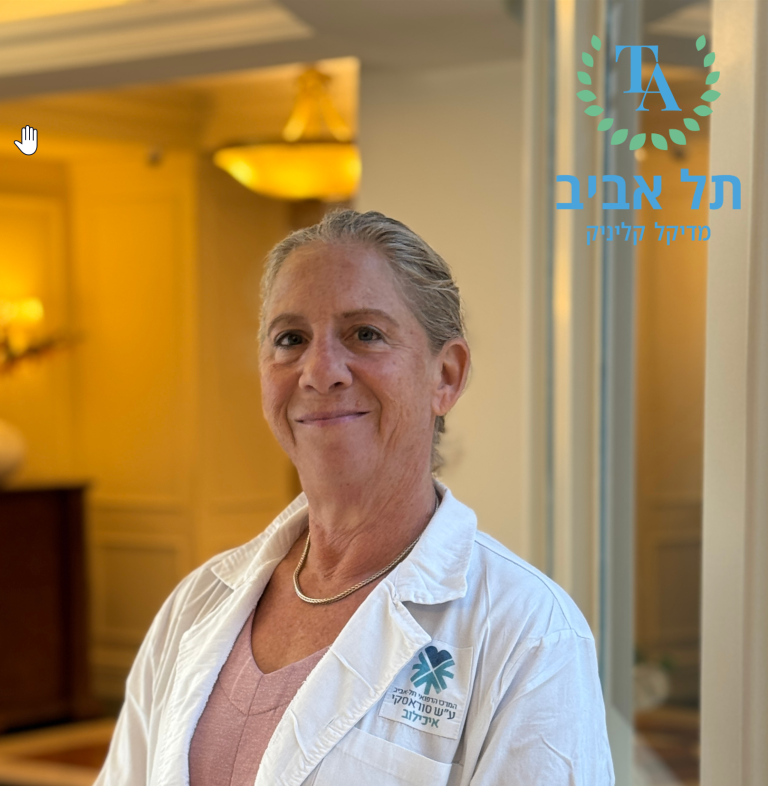 Prof. Dvora Blumenthal Neurology Oncology Neurologist, neuro-oncologist, head of the neuro-oncology department
 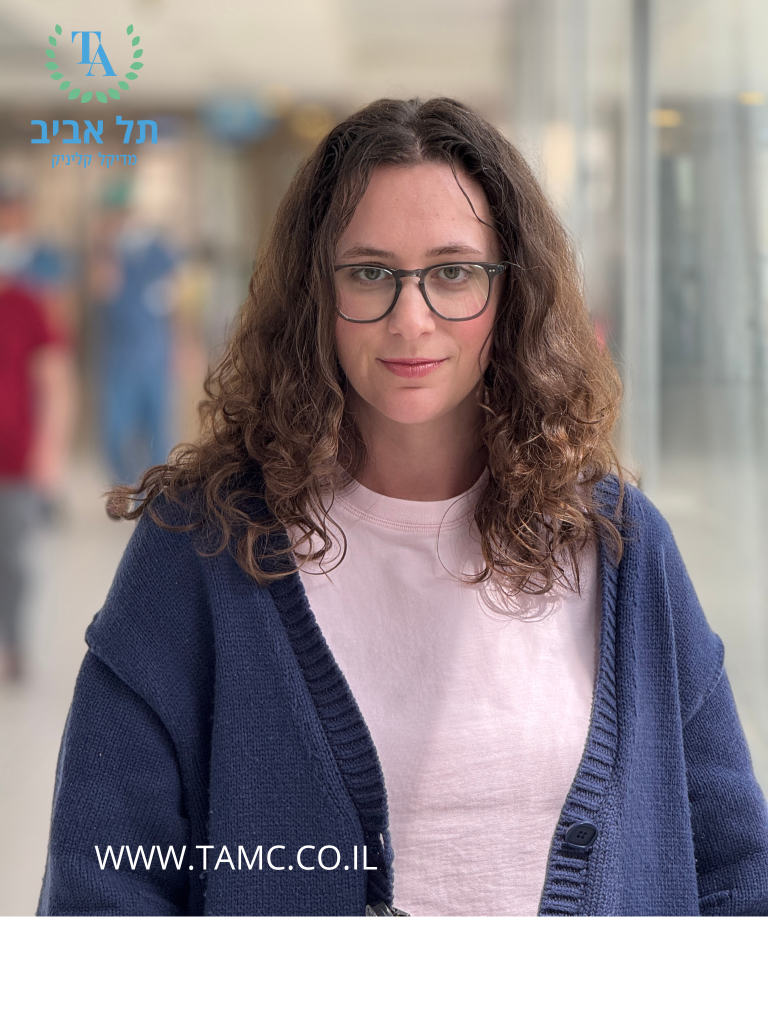 Dr. Alexandra Bittan Oncology Radiotherapy Neuro-oncologist and radiosurgery expert
  Dr. Amir Sternheim Onco - Orthopedics Oncology Director, Metastatic Bone Disease Unit, Department of Orthopedic Oncology, Tel Aviv Sourasky Medical Center
 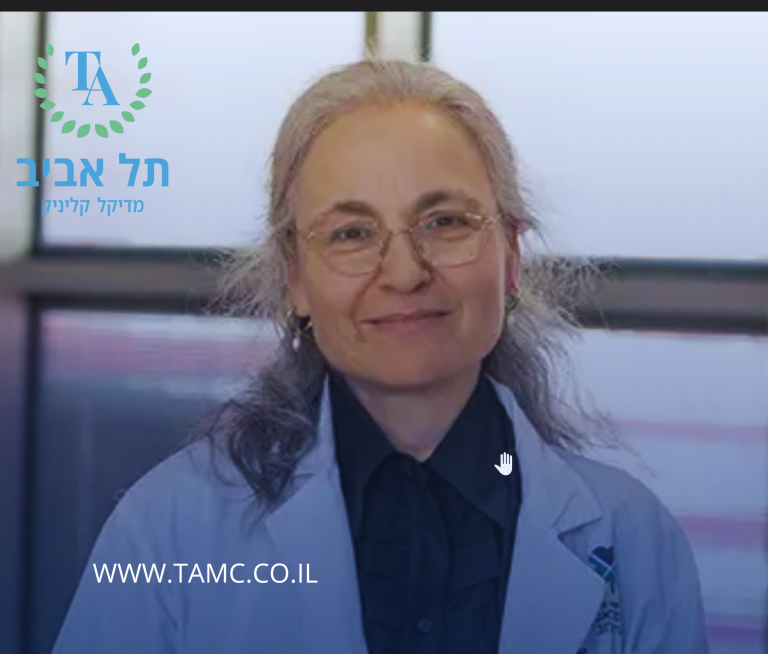 Dr. Orit Gotfeld Oncology Radiotherapy Radiation Oncologist Specializing in Head & Neck Tumors
 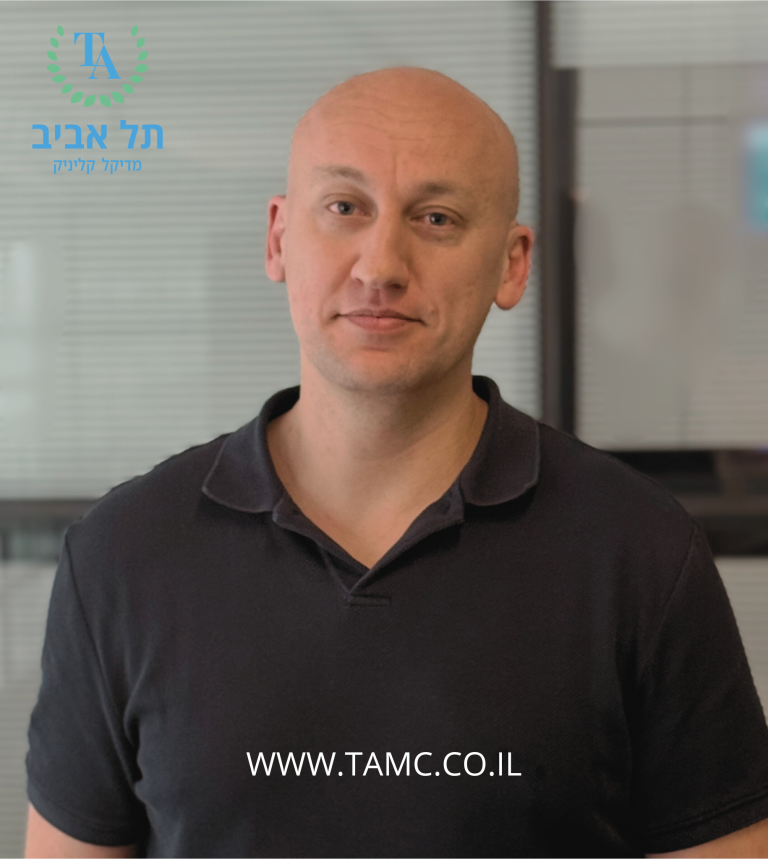 Dr. Roman Meirovitz Oncology Leading Israeli Oncologist for Lung and Gastrointestinal Cancers
 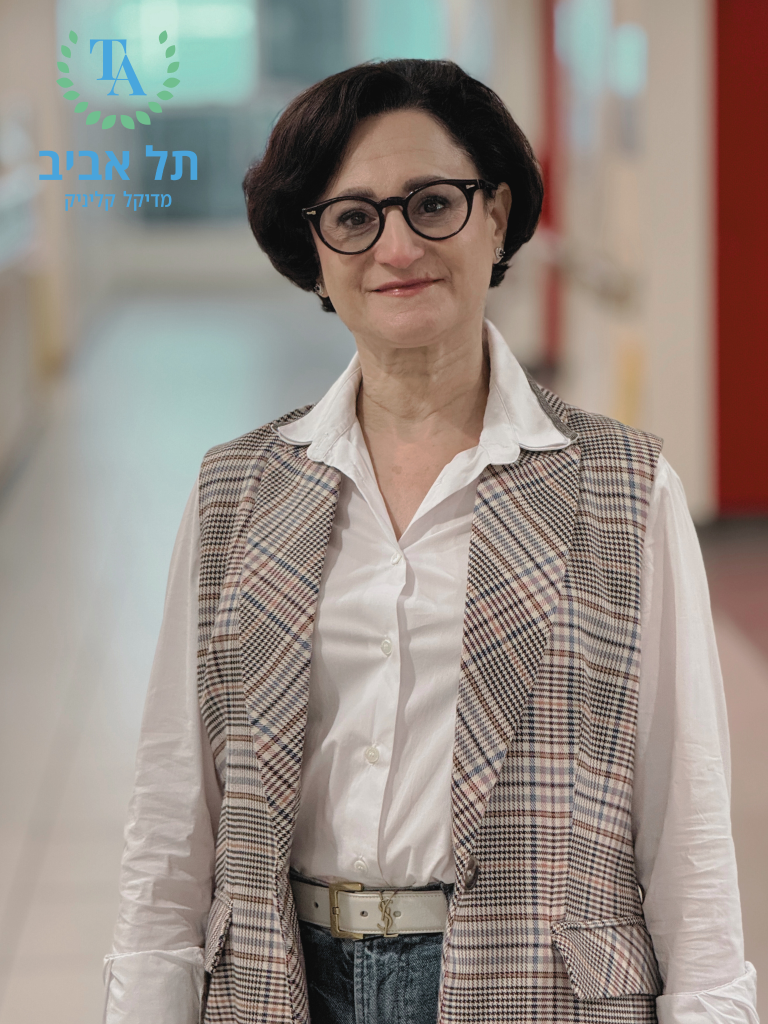 Dr. Stefansky Irena Oncology Breast and Gastrointestinal Cancer Specialist
 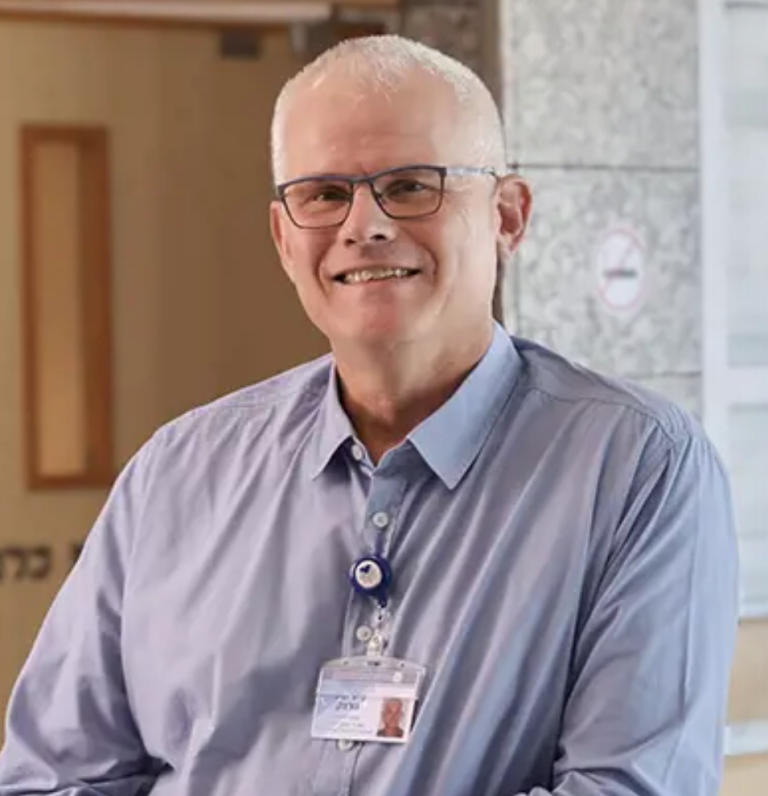 Dr. Yair Gortzak Onco - Orthopedics Oncology Head of the National Orthopedic Oncology Department, Ichilov Medical Center, Tel Aviv
  Dr. Daniel Keizman Oncology Oncologist and Head of the Urologic Oncology Unit at Ichilov Medical Center
 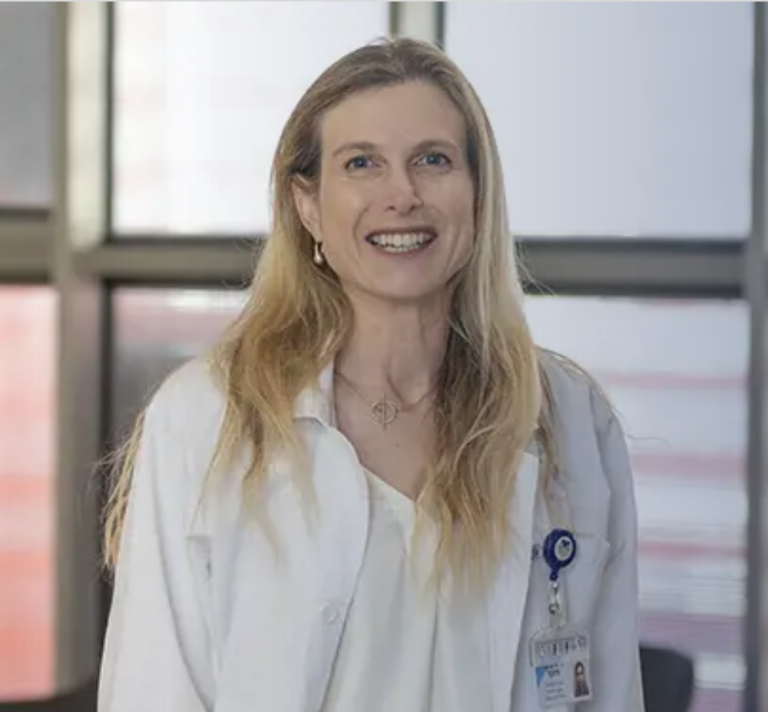 Dr. Inbar Finkel Oncology Oncologist, Director of the Head and Neck Tumor Department
 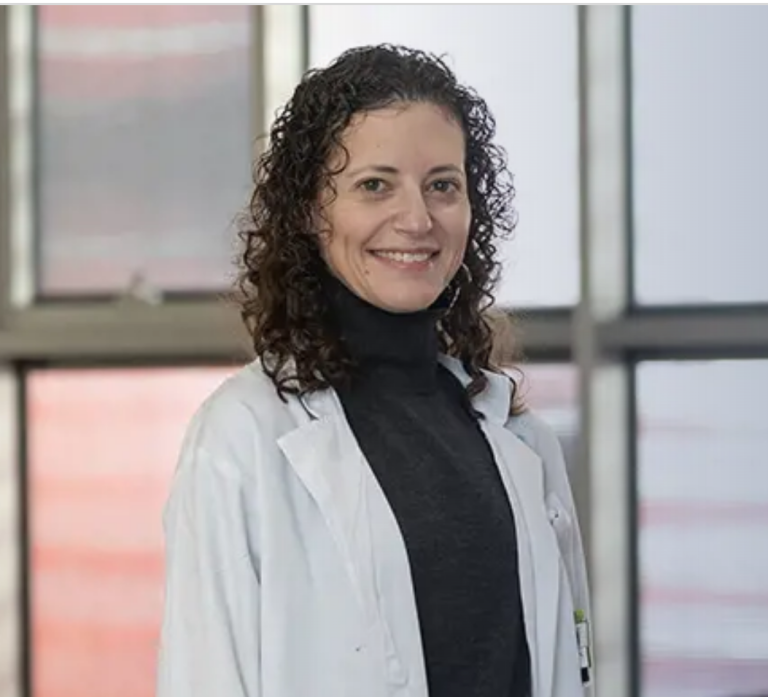 Dr. Mor Miodovnik Dermatology Oncology Дерматолог и венеролог, врач-онколог
 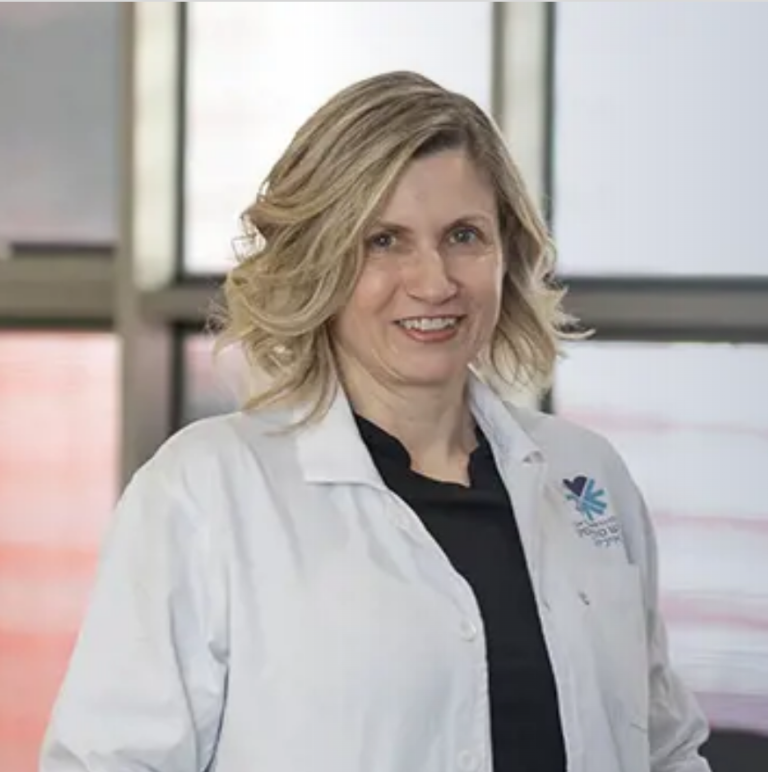 Dr. Sharon Peles Oncology
 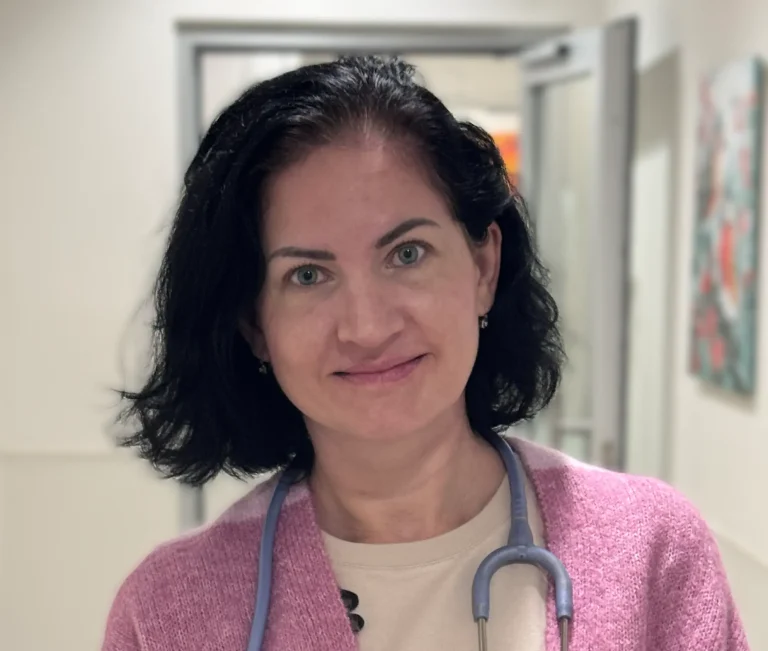 Dr. Zaslavsky Kristina Oncology Specialist in gastrointestinal tumors, pancreatic cancer and bile duct cancer
  Prof. Ido Didi Fabian Oncology Ophthalmology Ocular Oncology Specialist
 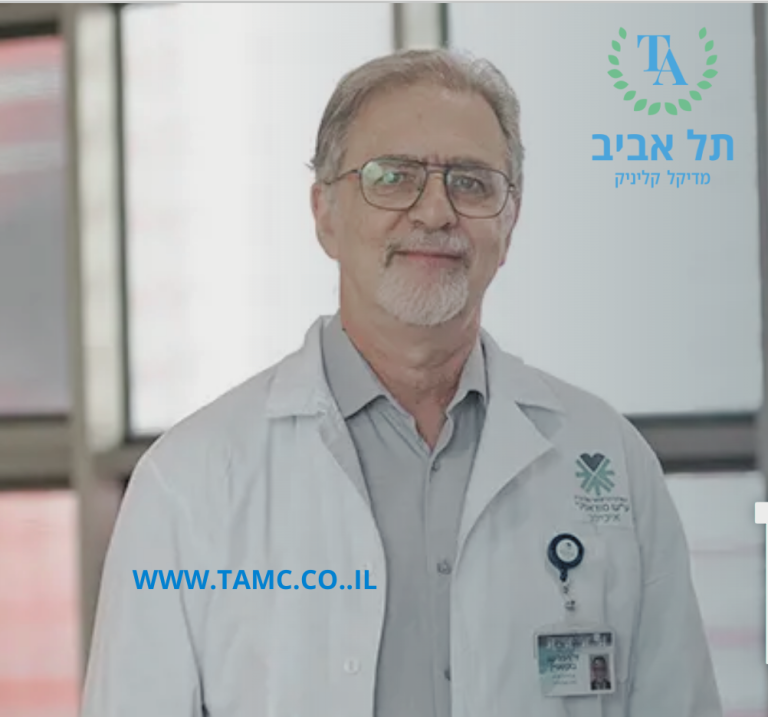 Dr. Felix Bukshtein Neurology Oncology Senior Neurologist & Neuro-Oncology Specialist
 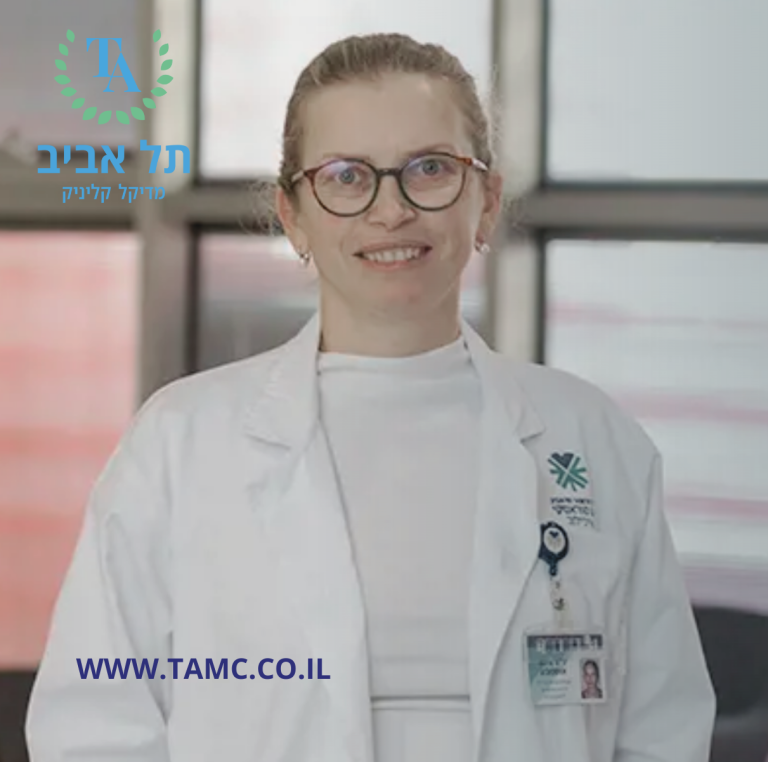 Dr. Inna Ospovat Oncology Radiotherapy Oncologist, radiologist, head of the pediatric radiology department
  Dr. Dror Levin Hematology Oncology Pediatric Hematologist–Oncologist | Blood Disorders and Sarcomas in Children
  Prof. Baruch Brenner Oncology Gastrointestinal Oncology Specialist
 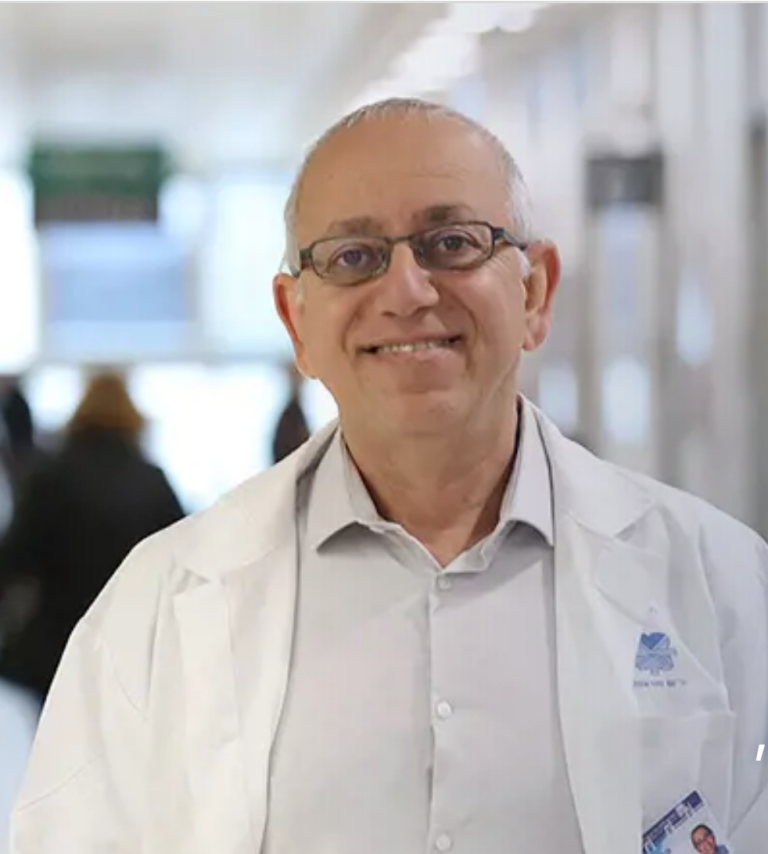 Prof. Ido Wolf Oncology Ведущий онколог Израиля, специалист в области опухолей желудочно-кишечного тракта
 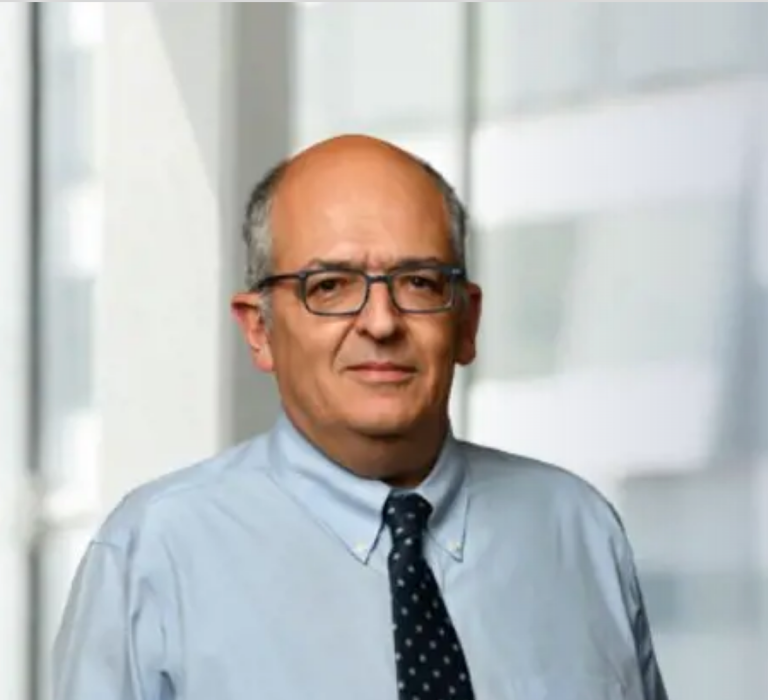 Prof. Ofer Merimsky Onco - Orthopedics Oncology Oncologist, Deputy Director of the Oncology Center, Head of Bone and Soft Tissue Oncology Unit
 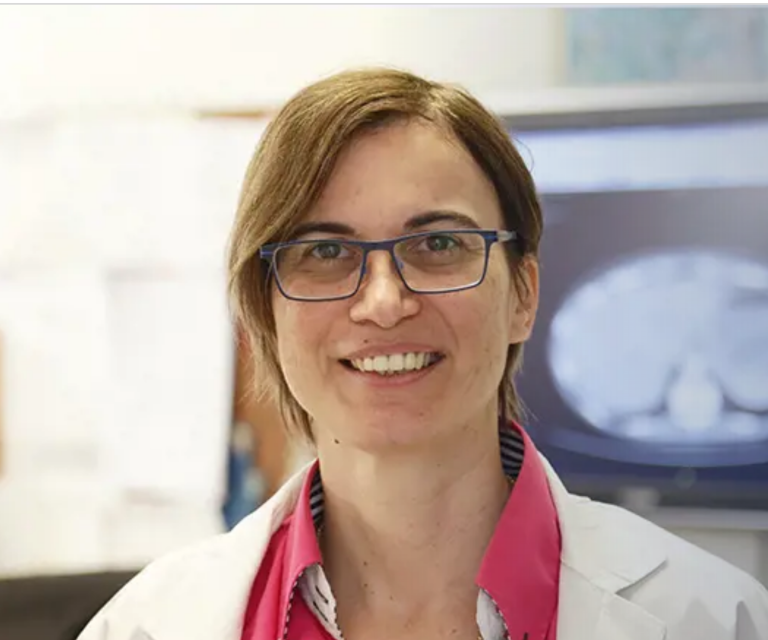 Prof. Ravit Geva Oncology Medical Oncologist | Gastrointestinal Cancer Specialist
 Role of Chemotherapy in Modern Oncology
Chemotherapy may be used in several clinical situations:
- As primary treatment
- Before surgery to reduce tumor size
- After surgery to reduce recurrence risk
- In metastatic disease to control progression
- In combination with immunotherapy or targeted therapy
In some cases, chemotherapy enhances the effectiveness of other treatments. In others, it helps stabilize disease.
Where Chemotherapy is Used
Chemotherapy is used in many cancer types. However, treatment approaches vary depending on tumor type.
Hematologic Oncology
Chemotherapy remains one of the main treatments for:
- Hodgkin lymphoma
- Non-Hodgkin lymphoma
- Acute lymphoblastic leukemia
- Acute myeloid leukemia
- Chronic lymphocytic leukemia
- Multiple myeloma
- Myelodysplastic syndromes
In some cases, chemotherapy is combined with immunotherapy, targeted therapy, or bone marrow transplantation.
Solid Tumors
Chemotherapy is widely used in:
- Lung cancer
- Breast cancer
- Colorectal cancer
- Gastric cancer
- Pancreatic cancer
- Liver cancer
Gynecologic Oncology
Chemotherapy is used for:
Urologic Oncology
Chemotherapy may be used for:
Neuro-Oncology
Chemotherapy is used in:
Types of Chemotherapy
Chemotherapy can be used in different clinical situations. The choice of treatment depends on the type of cancer, stage of disease, molecular characteristics of the tumor, previous treatments, and the patient’s overall condition.
In modern oncology, chemotherapy is not only used as a standalone treatment. It is often incorporated into broader treatment strategies that may include surgery, radiation therapy, immunotherapy, or targeted therapy.
Neoadjuvant Chemotherapy
Neoadjuvant chemotherapy is given before surgery. The main goal is to reduce the size of the tumor, improve the chances of successful surgery, and in some cases assess how the disease responds to treatment before an operation is performed.
This approach is commonly used in breast cancer, lung cancer, gastric cancer, rectal cancer, and other solid tumors.
Adjuvant Chemotherapy
Adjuvant chemotherapy is administered after surgery.
Its purpose is to reduce the risk of recurrence by targeting cancer cells that may remain in the body after the primary tumor has been removed.
This strategy is widely used in breast cancer, colorectal cancer, gastric cancer, lung cancer, and other malignancies.
Induction Chemotherapy
Induction chemotherapy is used as the initial phase of treatment.
The goal may be to achieve disease control, reduce tumor burden, or prepare the patient for subsequent treatment stages.
This approach is frequently used in lymphomas, certain head and neck cancers, lung cancer, and several hematologic malignancies.
Palliative Chemotherapy
Palliative chemotherapy may be considered in advanced stages of cancer.
The primary objective is to control the disease, slow its progression, reduce symptoms, and help maintain quality of life.
The decision to use treatment is always based on an individual assessment of potential benefits and risks.
Maintenance Chemotherapy
Maintenance therapy may be used after disease control has been achieved.
The goal is to prolong the response to treatment and reduce the likelihood of disease progression.
The duration of therapy and treatment strategy depend on the specific cancer type and clinical situation.
Modern Chemotherapy Drugs
Modern oncology uses dozens of chemotherapy drugs belonging to different classes and mechanisms of action.
These include platinum-based agents, taxanes, antimetabolites, anthracyclines, alkylating agents, topoisomerase inhibitors, and other groups of chemotherapy drugs.
Detailed information about commonly used chemotherapy medications is available in our dedicated chemotherapy drug directory.
🔍 Visit: Chemotherapy Drugs Directory
How Chemotherapy is Given
Chemotherapy may be administered:
- Intravenously
- Orally
- Subcutaneously
- Intra-arterially
- Intrathecally
Possible Side Effects
- Fatigue
- Nausea
- Low blood counts
- Hair loss
- Reduced immunity
Modern supportive treatments help control most side effects.
Personalized Treatment Approach
Modern oncology increasingly relies on personalized treatment:
- Molecular characteristics
- Genetic mutations
- Patient condition
- Previous treatments
Oncology Consultation by Cancer Type
An oncology consultation may be useful when:
- New diagnosis
- Treatment selection
- Considering chemotherapy
- Second opinion
- Clinical trials
- Disease progression
Oncology Consultation in Israel
If you have a diagnosis or suspected cancer, you can request a consultation.
Leave your details and our team will contact you to schedule a consultation with an oncologist specializing in your cancer type.
📞 Phone: +972-73-374-6844
💬 WhatsApp: +972-52-337-3108
📧 Email: [email protected]
Important information
The information provided on this page is intended for general informational purposes only and does not constitute medical advice, diagnosis, or a substitute for a personal consultation with a qualified physician.
Tel Aviv Medical Clinic is not a pharmacy and does not supply or dispense medications. Information about drug-based treatments, including chemotherapy and immunotherapy, is presented for general understanding only.
All treatment decisions should be made by the treating physician, based on the patient’s individual medical condition.
If you have any medical questions or need guidance regarding treatment options, please consult your physician.
Frequently Asked Questions
Frequently Asked Questions About Chemotherapy
Answered by Dr. Irina Stefansky, Medical Oncologist
1. Do all patients need chemotherapy?
No, not at all. And actually, this is one of the most common fears I hear. People hear the diagnosis and immediately think chemotherapy is inevitable.
But in reality, it’s much more nuanced. Sometimes we don’t recommend chemotherapy at all. In some cases, targeted therapy is a better option, sometimes immunotherapy, and occasionally we even start with observation.
I always tell my patients — first we need to understand the tumor type, stage, test results, and molecular markers. Only after that do we decide on treatment.
So no, chemotherapy is not for everyone. And it’s definitely not always the first option.
2. How difficult is chemotherapy to tolerate?
This is probably the number one concern for most patients. Many people still think about chemotherapy the way it was 20 years ago — severe side effects, hospitalizations, feeling very sick.
But things have changed significantly. The drugs are different now, and we have much better supportive treatments.
In practice, many of my patients continue working and maintaining their daily routines. Of course, everyone is different, and side effects can occur. But in many cases, chemotherapy is much easier than patients expect.
Sometimes the fear of chemotherapy is actually harder than the treatment itself.
3. When is chemotherapy really necessary?
There are several situations. Sometimes we recommend chemotherapy before surgery, to shrink the tumor. That’s quite common.
Other times, we recommend it after surgery to reduce the risk of recurrence.
And sometimes chemotherapy is used in advanced disease, when our goal is to control the cancer and slow its progression.
We also often combine chemotherapy with immunotherapy or targeted therapy. In some cases, this combination can be very effective.
So it really depends on the situation. There’s no single answer that fits everyone.
4. Can I get a second opinion before starting chemotherapy?
Yes, of course. I’m always comfortable with that. In fact, sometimes I recommend it myself.
Chemotherapy in Israel is an important step, and patients should understand why a specific treatment is being recommended and what other options exist.
During a consultation, we review medical records, test results, and sometimes suggest alternative approaches. In some cases, there may be newer therapies or clinical trial options available.
Getting a second opinion is completely normal. It doesn’t mean someone made a mistake. Sometimes there are simply several valid treatment options.
5. How do you decide which chemotherapy regimen is right for me?
In oncology, treatment is usually evaluated after 3–4 cycles, which typically takes about 2–3 months.
Patients often ask me to check earlier, but it’s important to understand that many drugs have a cumulative effect, and evaluating too early may not give accurate results.
Only in certain situations, for example if symptoms worsen, we may recommend earlier imaging or testing.
Every treatment plan is personalized, and decisions are always based on how the patient responds.
6. Can treatment start after an online consultation?
Yes, in many cases it can. Especially for patients coming from other countries.
Usually, patients send their medical records first — reports, imaging, pathology results. I review everything before the consultation, and then we discuss possible treatment options.
After that, we decide on the next steps. Some patients come to Israel for treatment, while others continue treatment in their home country with our recommendations.
A remote consultation is often the first and very helpful step. It allows patients to understand whether they are on the right path without needing to travel immediately.
7. Can patients from other countries request a consultation?
Yes, absolutely. And actually, many of my patients come from abroad.
Often patients are looking for a second opinion, clarification of treatment options, or access to advanced therapies available in Israel.
Patients send their documents in advance. Our international medical team organizes the information so that the clinical picture is clear. If something is missing, I request additional information.
We then schedule the consultation, usually via Zoom or WhatsApp video. After the consultation, the patient receives a structured treatment plan.
8. When should clinical trials be considered?
Clinical trials are not always a “last resort,” as many people think. Sometimes they are simply an opportunity to receive newer and more advanced treatment.
For example, clinical trials may include new medications, new combinations, or personalized treatment approaches. In some cases, these options can be very promising.
During the consultation, I evaluate whether a patient may be suitable for a clinical trial. Sometimes these options are available, sometimes not.
But it’s definitely worth discussing — especially in complex or advanced cases.


