


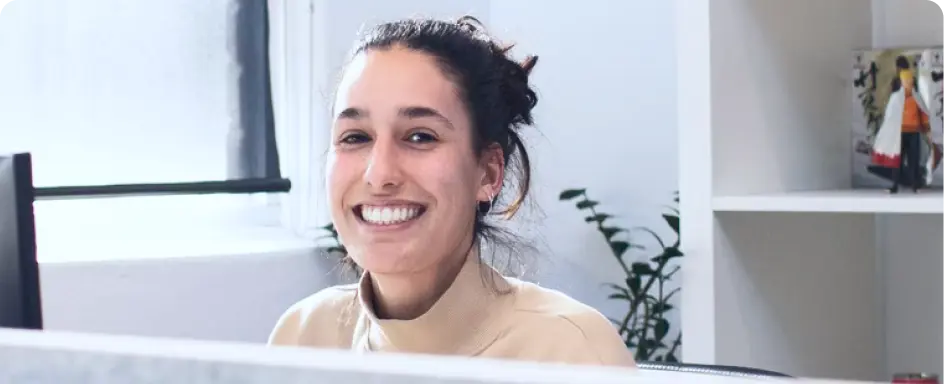
Dr. Yair Gortzak
Language proficiency: Hebrew, English, Russian
Head of the National Orthopedic Oncology Department, Ichilov Medical Center, Tel Aviv
About Dr. Gortzak Yair
Dr. Gortzak Yair is an orthopedic oncology specialist and Head of the National Orthopedic Oncology Department and Pediatric Orthopedic Oncology Unit at the national orthopedic oncology service based in Tel Aviv (Ichilov-Sourasky).
His clinical practice focuses on the diagnosis and surgical management of tumors affecting the skeletal system and surrounding soft tissues in both adults and children.
A significant part of his work involves caring for pediatric patients with sarcomas, musculoskeletal tumors, and complex orthopedic conditions associated with cancer.
Dr. Gortzak utilizes advanced reconstructive surgical techniques, three-dimensional planning technologies, patient-specific implants, and modern navigation systems that help optimize surgical precision in complex cases.
In addition to his work at the national referral center, Dr. Gortzak provides private consultations at Tel Aviv Medical Clinic. Patients from Israel and abroad seek his expertise regarding sarcomas, bone tumors, pathological fractures, second opinions, and complex orthopedic oncology cases in both children and adults.
Schedule a Consultation
For a private consultation with Dr. Gortzak Yair:
📞 Phone: +972-73-374-6844
📧 Email: [email protected]
💬 WhatsApp: +972-52-337-3108
Areas of Expertise
Dr. Gortzak is involved in the diagnosis, treatment planning, and surgical management of the following conditions:
- Primary malignant tumors of bone
- Tumors originating in muscles, connective tissue, fat, and related structures
- Tumors belonging to the Ewing family
- Synovial sarcoma
- Chondrosarcoma
- Bone tumors in children
- Benign bone tumors
- Bone metastases
- Pathological fractures
- Aggressive fibromatosis
- Fibrous dysplasia of bone
He also specializes in reconstructive surgery following tumor removal, orthopedic oncology endoprosthetic reconstruction, management of pelvic, spinal, and chest wall tumors, as well as the use of patient-specific implants and advanced 3D surgical planning technologies.
Professional Experience
Since 2007, Dr. Gortzak has dedicated his practice to orthopedic oncology and the management of musculoskeletal tumors.
Today, he leads the Pediatric Orthopedic Oncology Unit and serves as one of the senior physicians within the National Orthopedic Oncology Center at Tel Aviv Aviv Medical Center (Ichilov-Surasky).
Following his orthopedic surgery training, Dr. Gortzak completed advanced fellowship in musculoskeletal oncology in Toronto, Canada.
Education and Training
- Medical studies at Ben-Gurion University in Beer Sheva
- Residency in Orthopedic Surgery
- Fellowship in Musculoskeletal Oncology, Toronto, Canada
Academic and Research Activities
Dr. Gortzak is involved in the education of future physicians in the fields of orthopedics and orthopedic oncology at Tel Aviv University.
His academic interests include sarcoma treatment, reconstructive surgery, three-dimensional surgical technologies, and modern approaches to the management of musculoskeletal tumors.
He regularly participates in professional conferences and is the author of scientific publications published in international medical journals.
Professional Memberships
- Israeli Medical Association
- Israeli professional organization for orthopedic specialists
- EMSOS – European professional network dedicated to bone and soft tissue tumor research
- CTOS – Connective Tissue Oncology Society
Languages
- Hebrew
- English
- Russian (with medical interpreter assistance)
Need an Expert Opinion on Bone Tumors or Sarcomas?
Dr. Gortzak Yair provides private consultations for children and adults diagnosed with skeletal tumors and malignant soft tissue neoplasms, metastatic bone disease, pathological fractures, and other complex orthopedic oncology conditions.
Consultations may include a review of MRI, CT, PET-CT, pathology reports, second opinions, and discussion of potential treatment options.
For a private consultation with Dr. Gortzak Yair:
📞 Phone: +972-73-374-6844
📧 Email: [email protected]
💬 WhatsApp: +972-52-337-3108
